CONCRETE REMOVAL AND REPLACEMENT IN MIAMI, FLORIDA
Stones Throw Concrete removes and replaces failing concrete across Miami-Dade, Broward, and Palm Beach County. We break out the old surface, haul it away in our own trucks, and pour the replacement with the same crew.
Professional Installation Practices
High-Quality Materials
Licensed & Insured in Florida
CONCRETE REMOVAL AND REPLACEMENT HANDLED BY ONE CREW
Concrete rarely fails at the surface. It fails from underneath, where the base has settled or washed out, and by that point patching only hides the problem for another season or two.
We remove and replace driveways, slabs, sidewalks, patios, and asphalt across Miami. Our excavators break out the old surface, our trucks haul it away, and the same crew prepares the base and pours the new concrete.
Most concrete companies subcontract the tear out and the hauling. We do not. Concrete replacement is quoted as one scope, on one schedule, with one company accountable for the result.
SURFACES WE REMOVE AND REPLACE
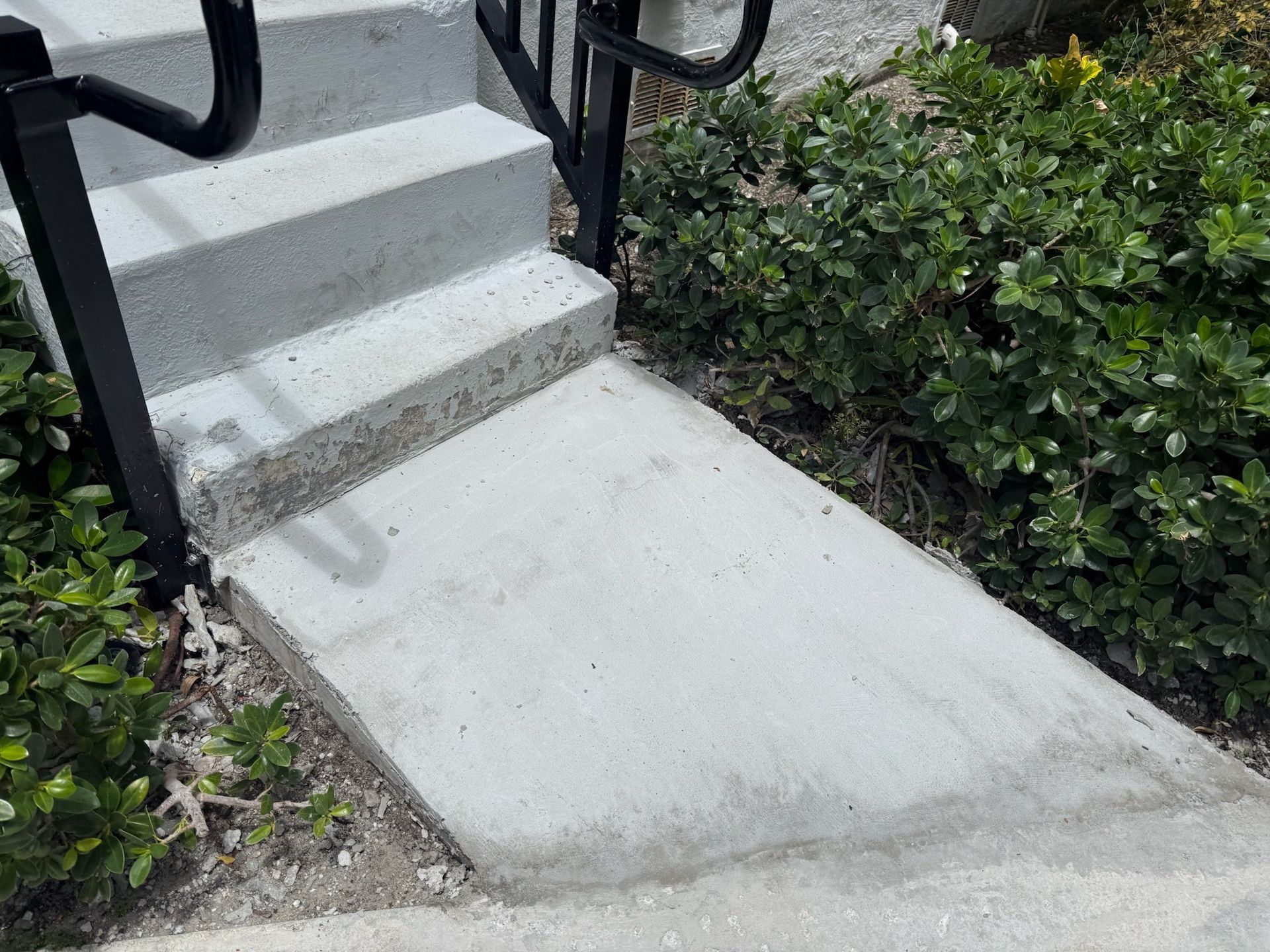
If it is flatwork and it has failed, we can take it out and put something better in its place. These are the five surfaces we are asked to remove and replace most often across South Florida.
Driveways and Aprons
Cracked, sunken, or stained driveways broken out and repoured. Aprons and street approaches handled in the same visit.
Slabs and Foundations
Concrete slab removal for sheds, garages, pads, and small structures. We take the base back to grade before repouring.
Sidewalks and Walkways
Lifted or uneven walkways are a trip hazard and a liability. We remove the bad sections and match the new pour to the rest.
Asphalt Surfaces
Asphalt removal and haul off, whether you are switching to concrete or clearing the area for something else entirely.
Patios and Hardscape
Old patios, steps, curbs, and hardscape taken out cleanly, with surrounding surfaces protected while the work happens.
SIGNS CONCRETE NEEDS REPLACEMENT RATHER THAN REPAIR
Not every cracked surface needs to come out, and we will say so when it does not. These are the conditions where replacement is the honest answer and another patch is money spent twice.
Cracks Wider Than a Quarter Inch
Once a crack is wide enough to catch a coin, the slab has moved.
Sections Sitting at Different Heights
When one panel drops below the next, the base beneath it has failed. Resurfacing will not lift it.
Water Standing After Rain
Pooling means the slope is gone. Water sitting on concrete shortens whatever life it has left.
Surface Flaking and Spalling
Concrete coming apart in sheets or chips is failing from within. A coating only buys time.
Repairs on the Same Spot Again
If a surface has been patched more than once, replacement usually costs less over the next few years.
OUR REMOVAL AND REPLACEMENT PROCESS
Removal and replacement runs as one continuous sequence rather than two separate jobs booked with two different companies. You always know which stage yours is in and what happens the following day.
Step 1
Initial Consultation
We talk through what is failing, how long it has been that way, and what you want in its place.
Step 2
Site Evaluation
We inspect the surface, the base beneath it, drainage, and equipment access, then confirm whether replacement is warranted.
Step 3
Single Scope Estimate
You receive one estimate covering removal, hauling, disposal, base preparation, and the new pour, with nothing rebilled later.
Step 4
Break Out and Haul Away
We protect surrounding surfaces, break out the old concrete, load it into our own trucks, and clear the area to grade.
Step 4
Base, Pour, and Final Review
The base is compacted, reinforcement is set, the new surface is poured and finished, then walked with you before closing.
WHY PROFESSIONAL CONCRETE REMOVAL MATTERS
Breaking out concrete is the easy part. Doing it without damaging what surrounds it is where most of the cost and most of the risk sit.
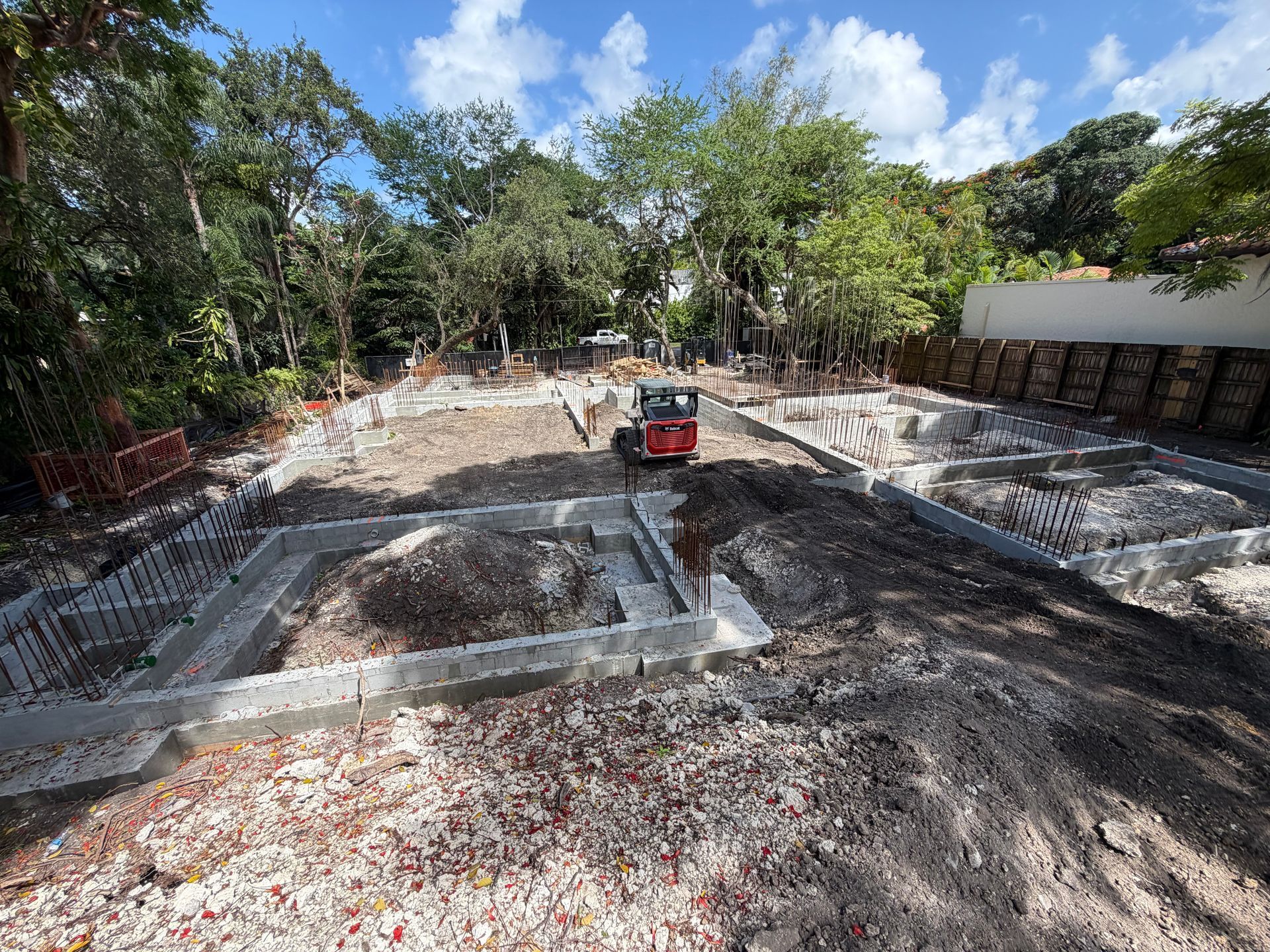
Irrigation lines, utilities, and tree roots sit close to the concrete being removed. Heavy equipment in the wrong hands turns a replacement into three repairs.
We own the excavators and the trucks and run the crews ourselves, so removal, hauling, and the new pour stay on one schedule. Our owner is on site throughout, and most estimates are returned within two days.
Explore Our Recent Projects
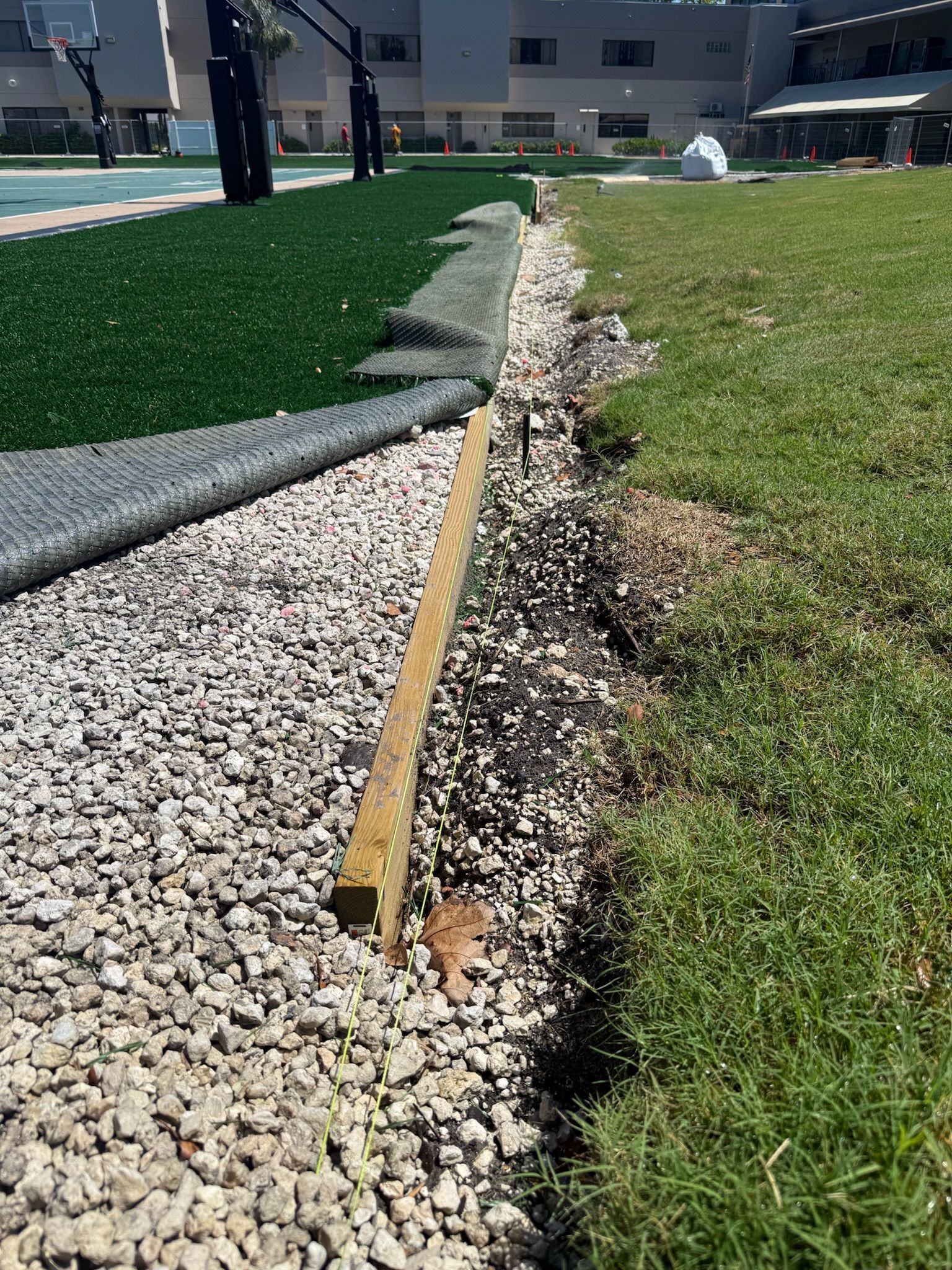
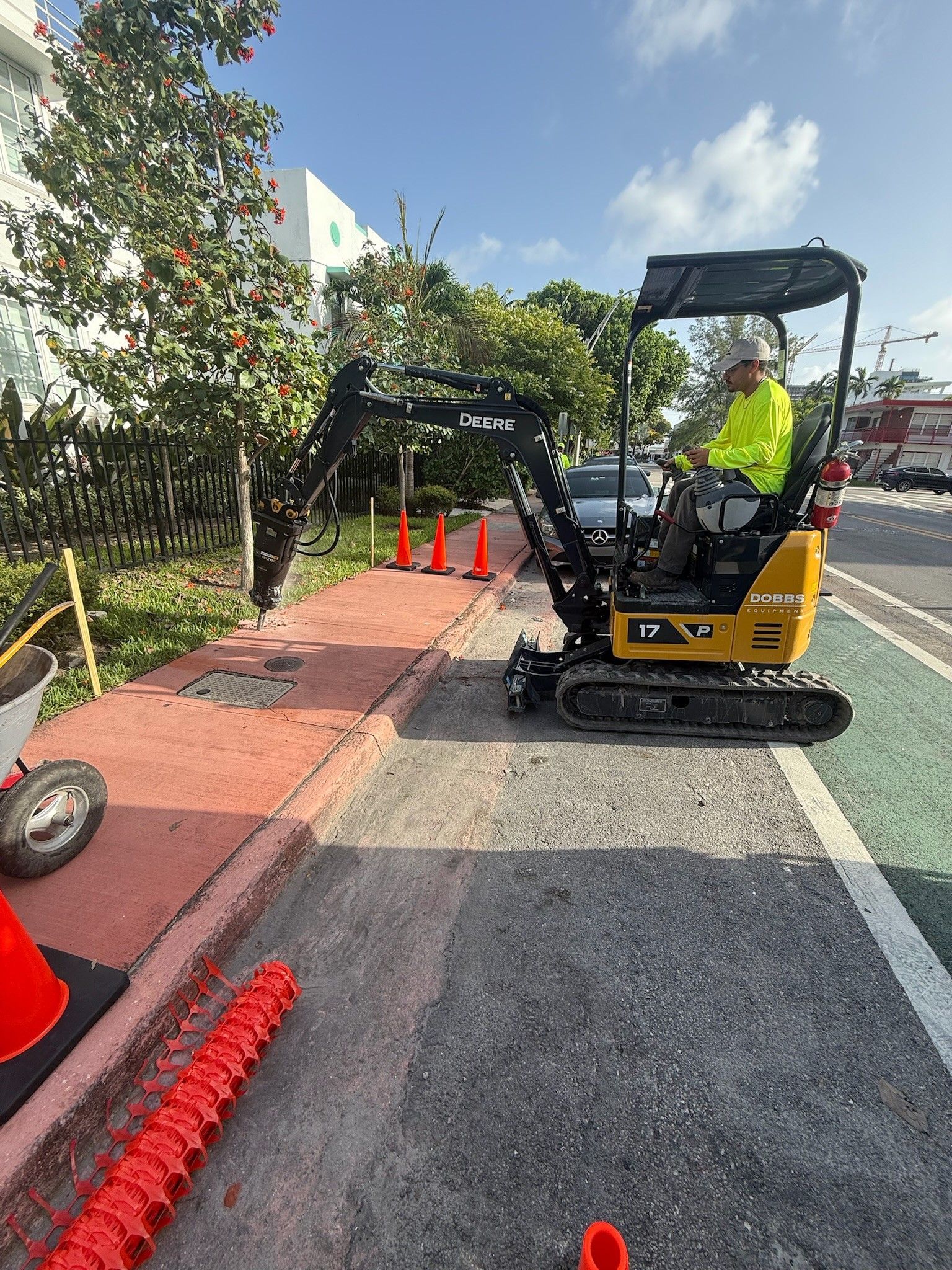
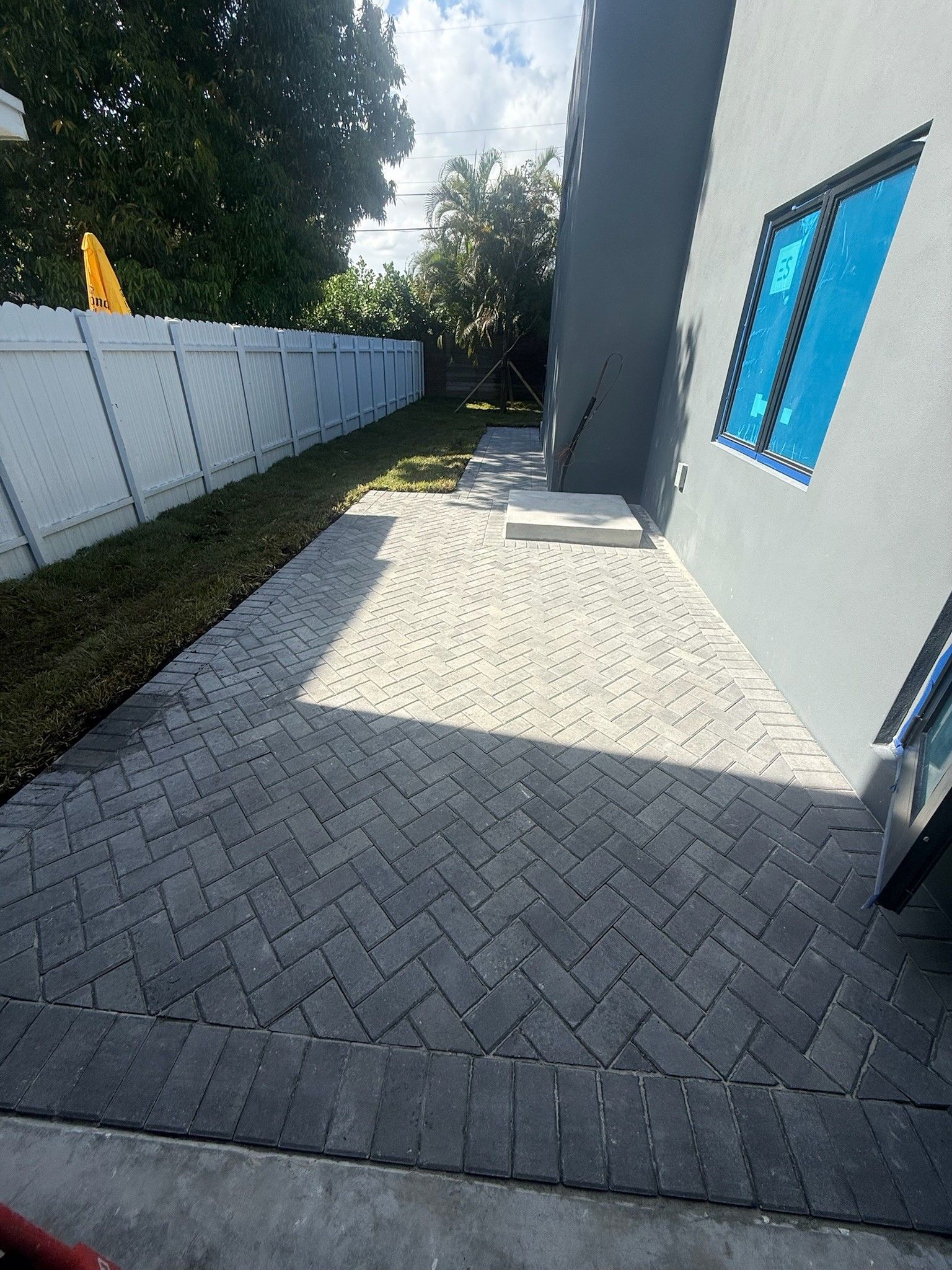
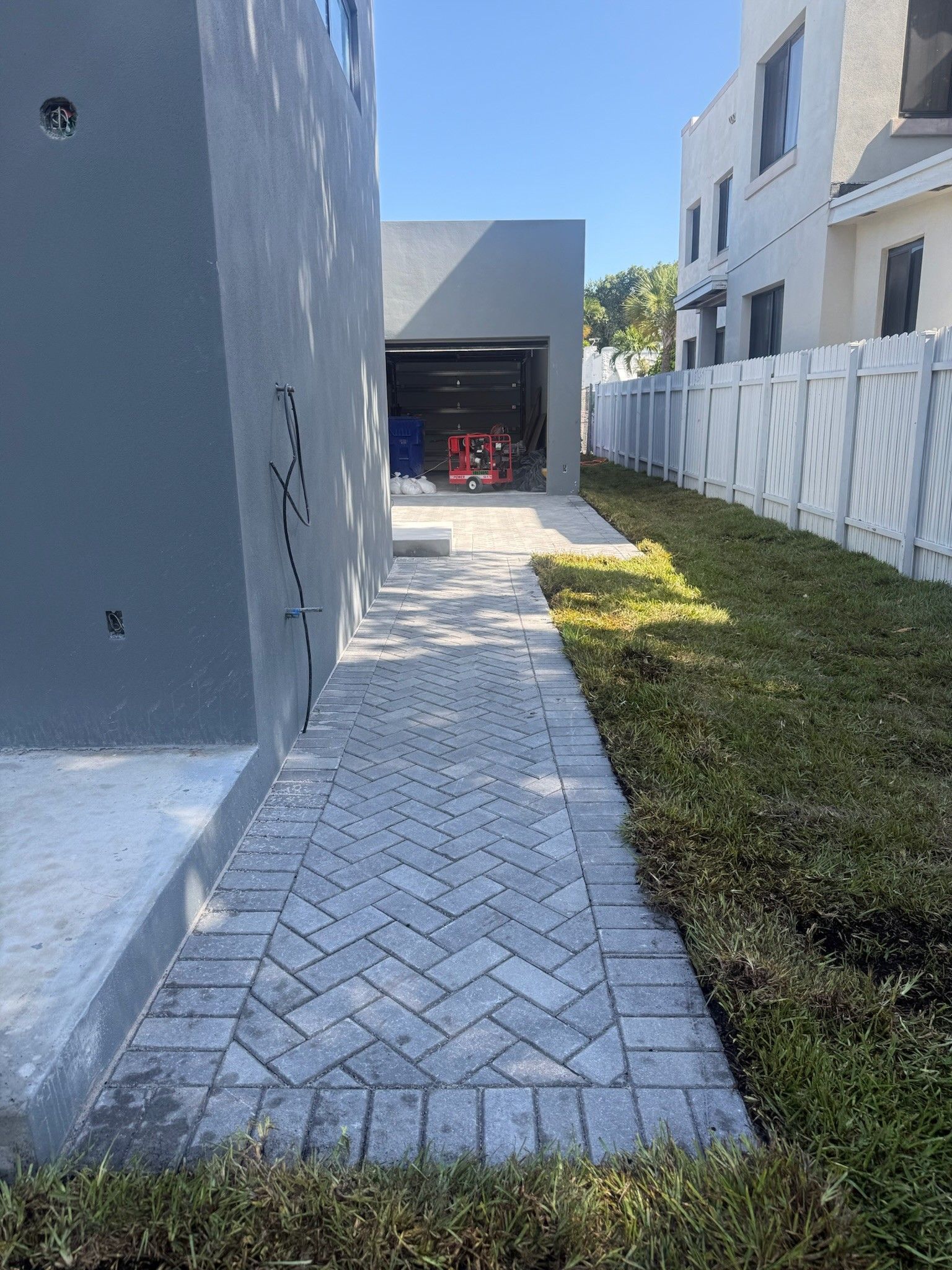
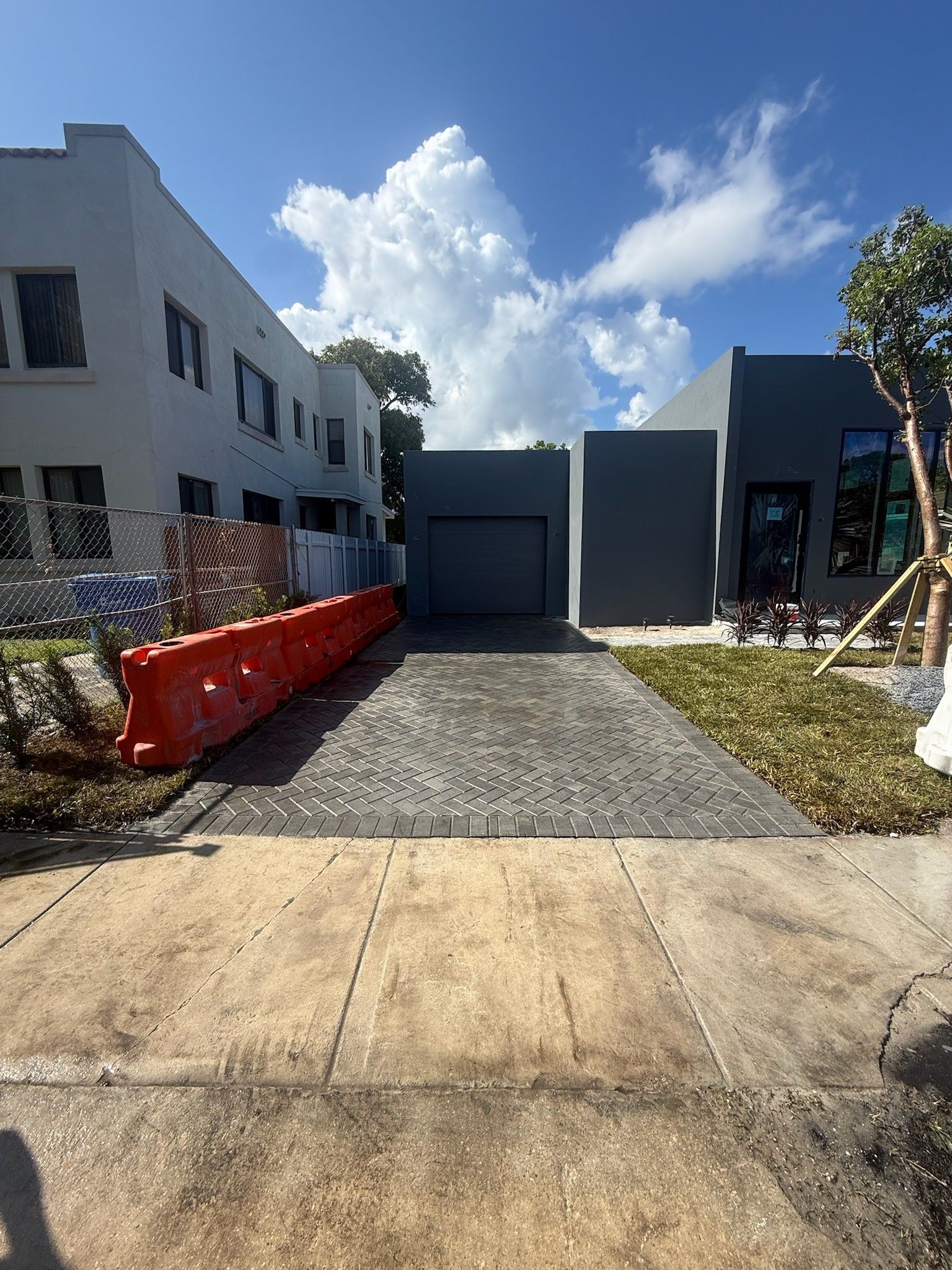
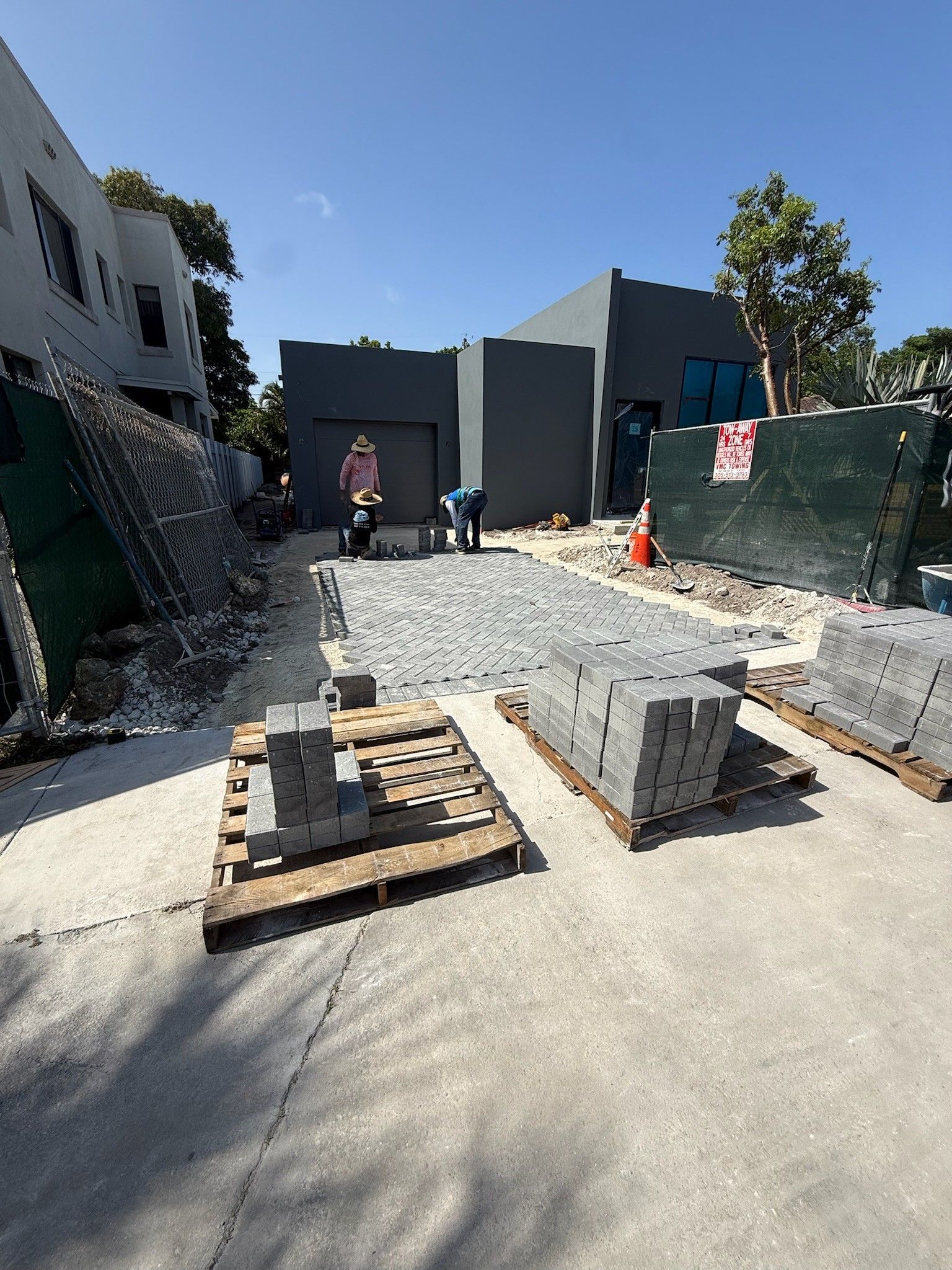
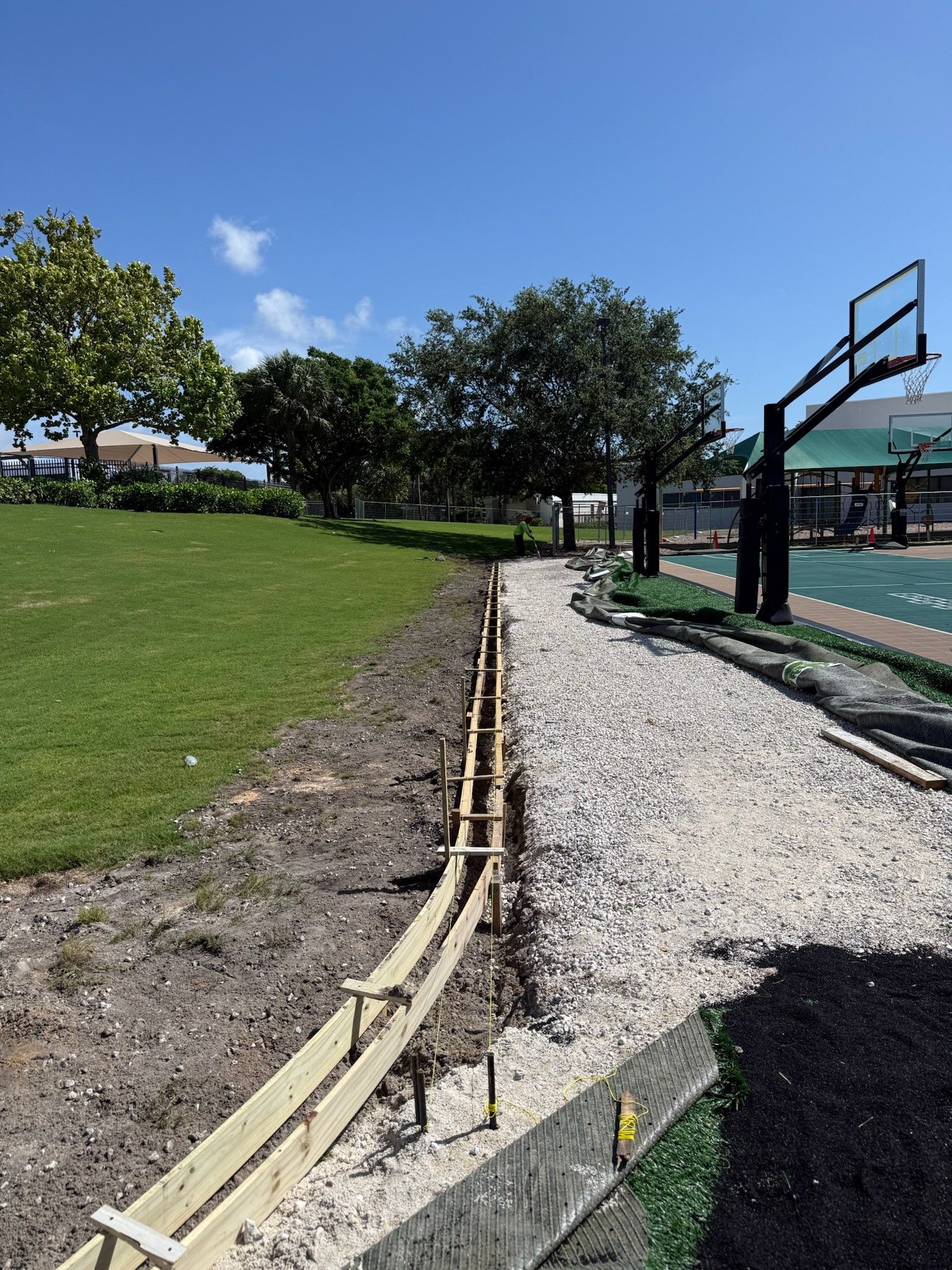
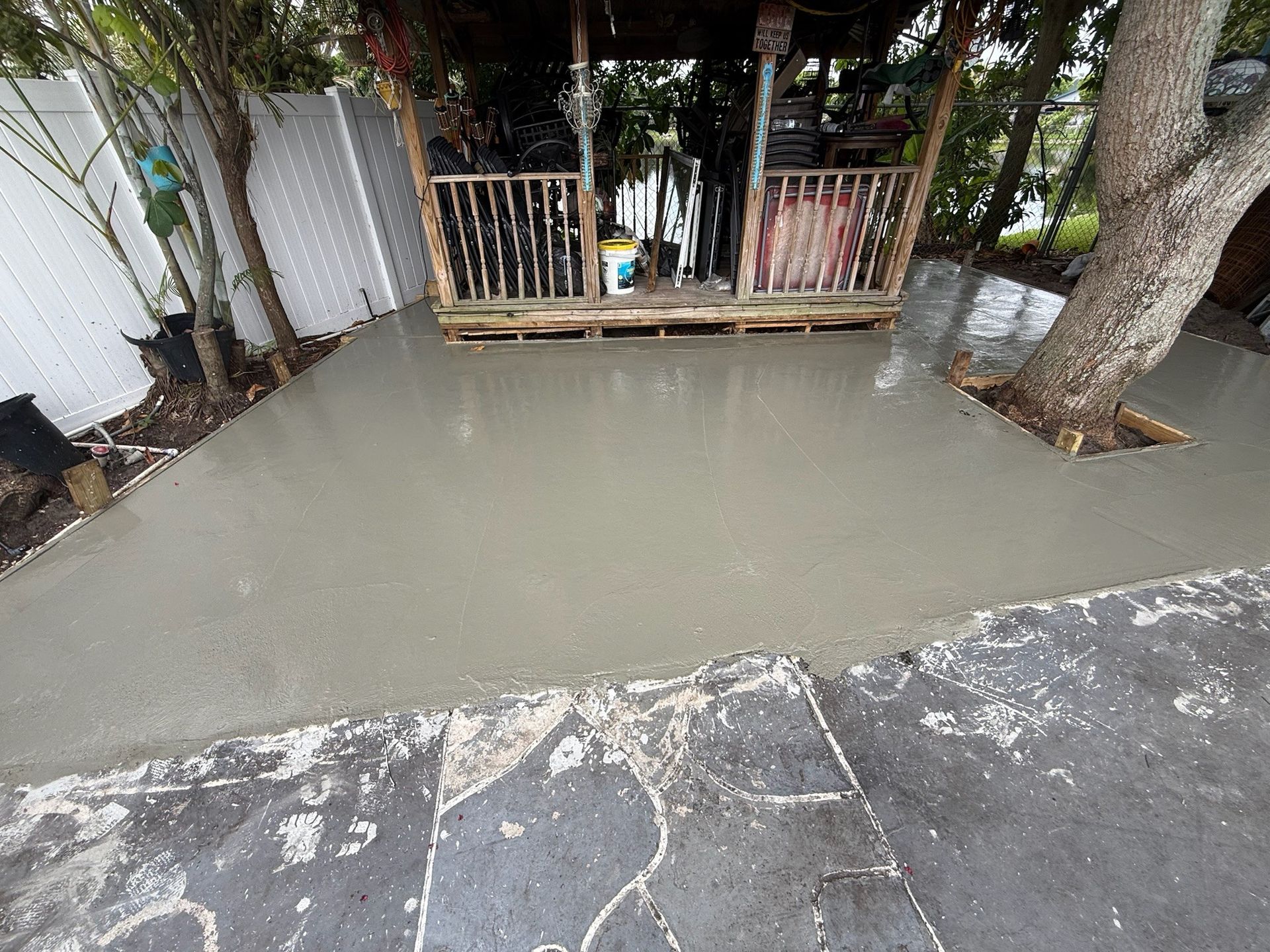
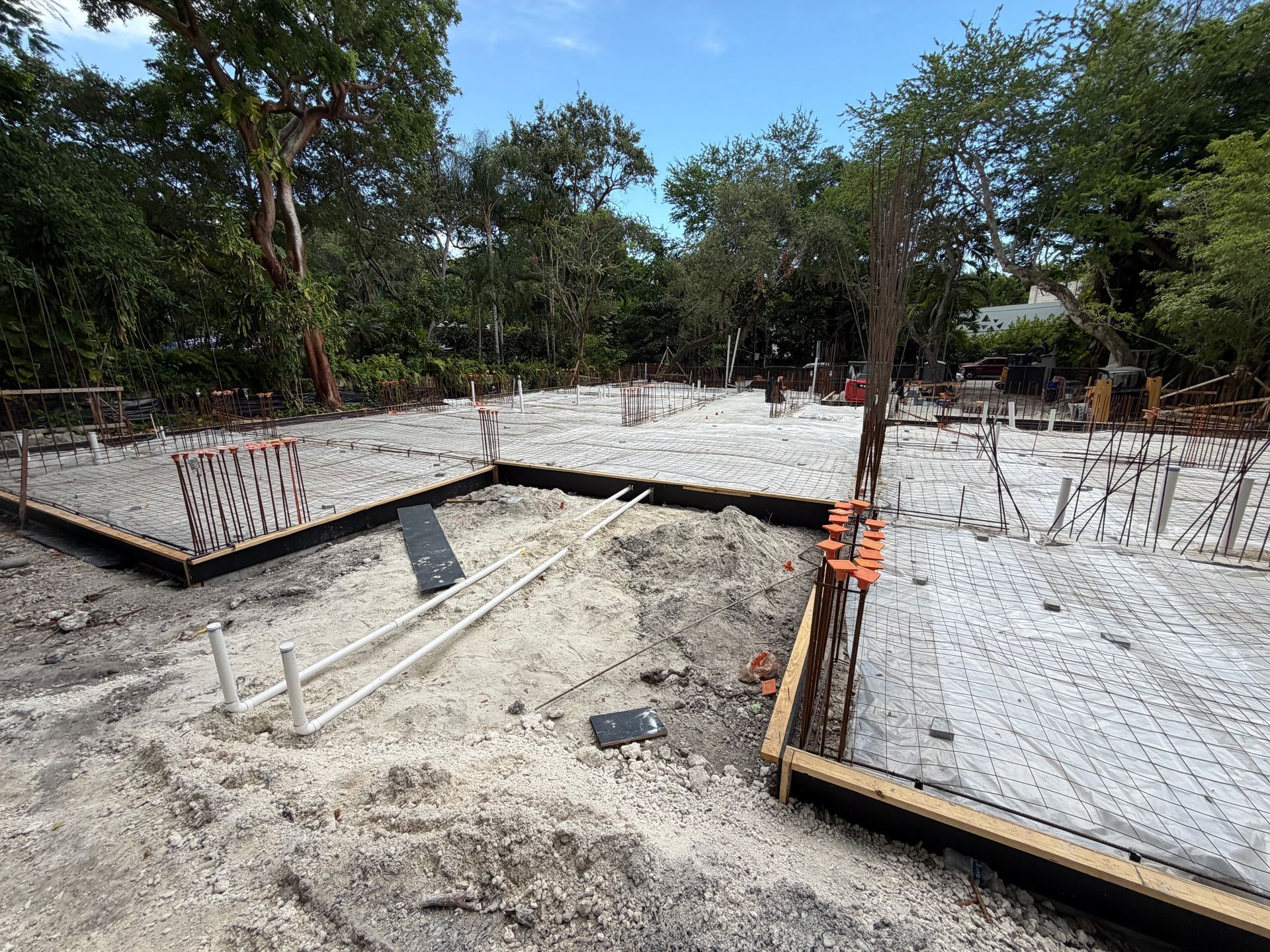
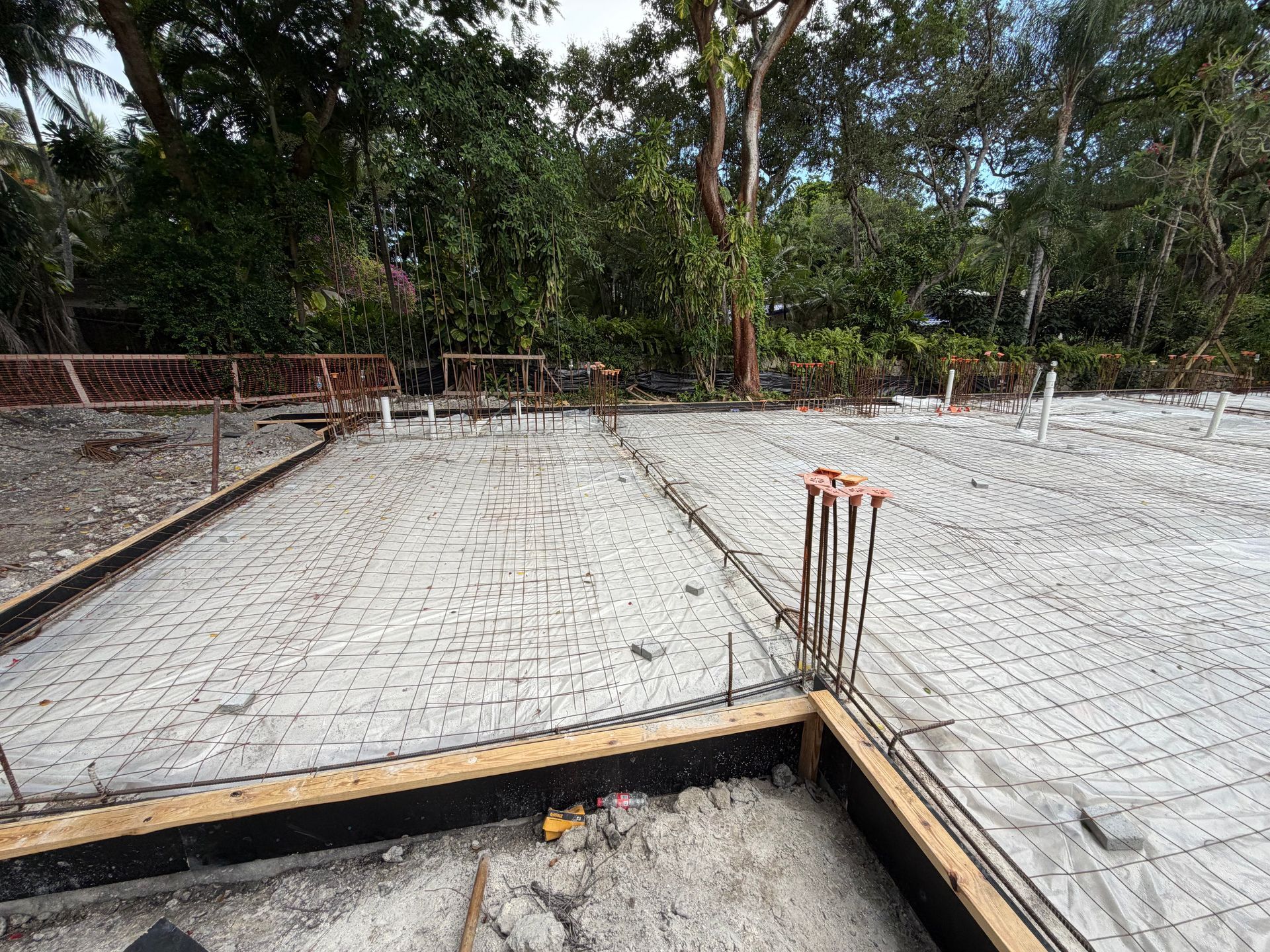
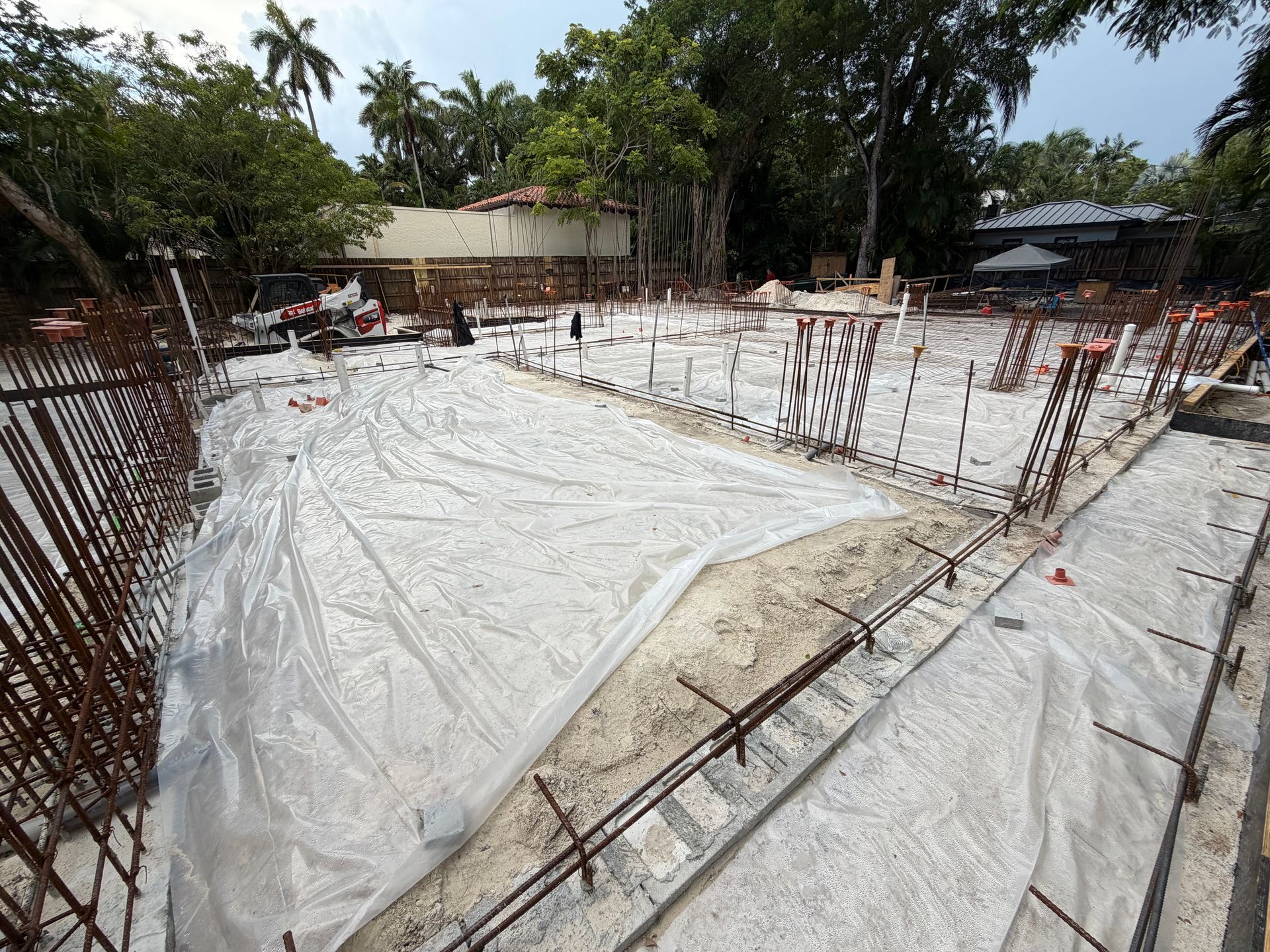
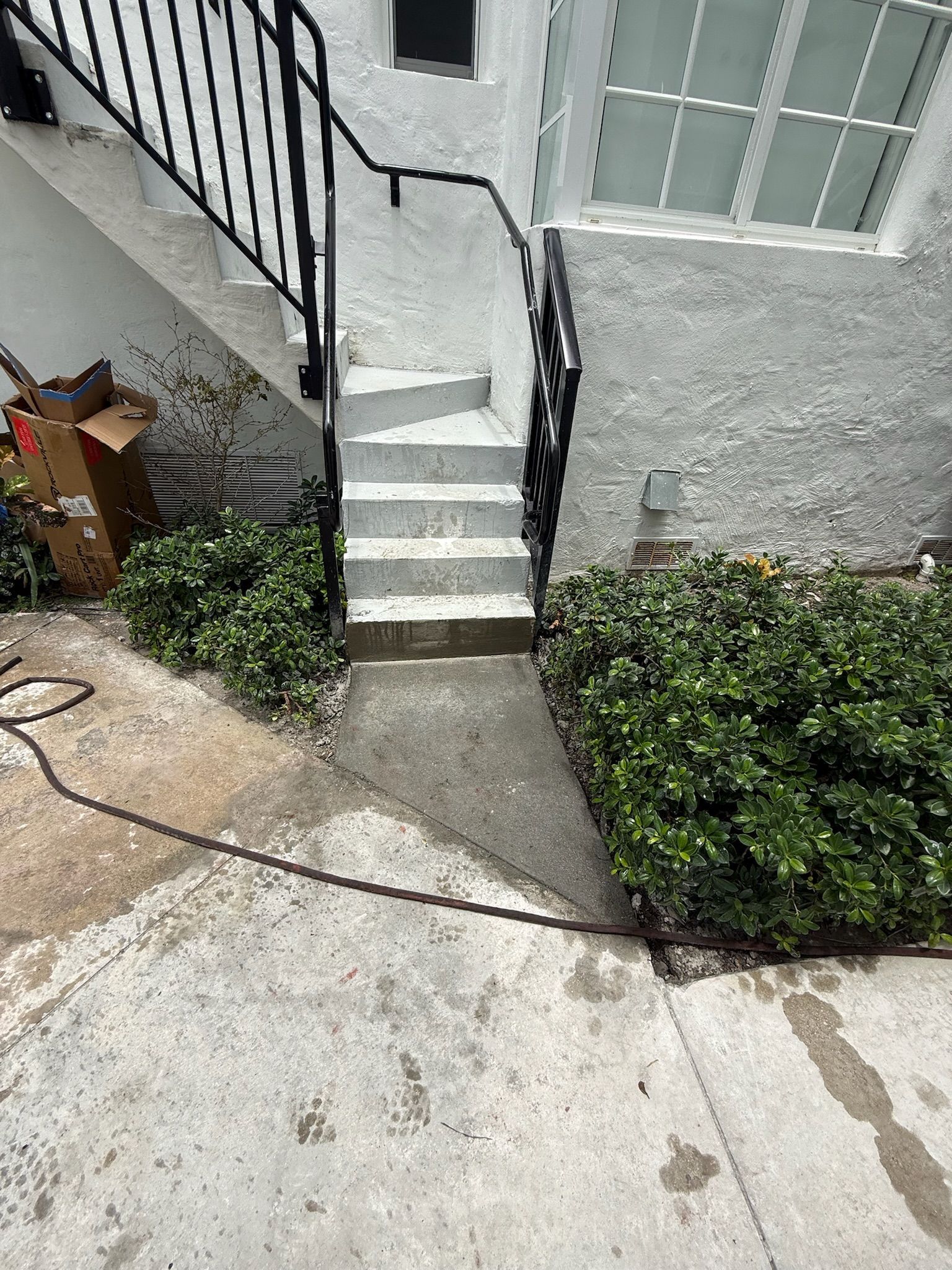
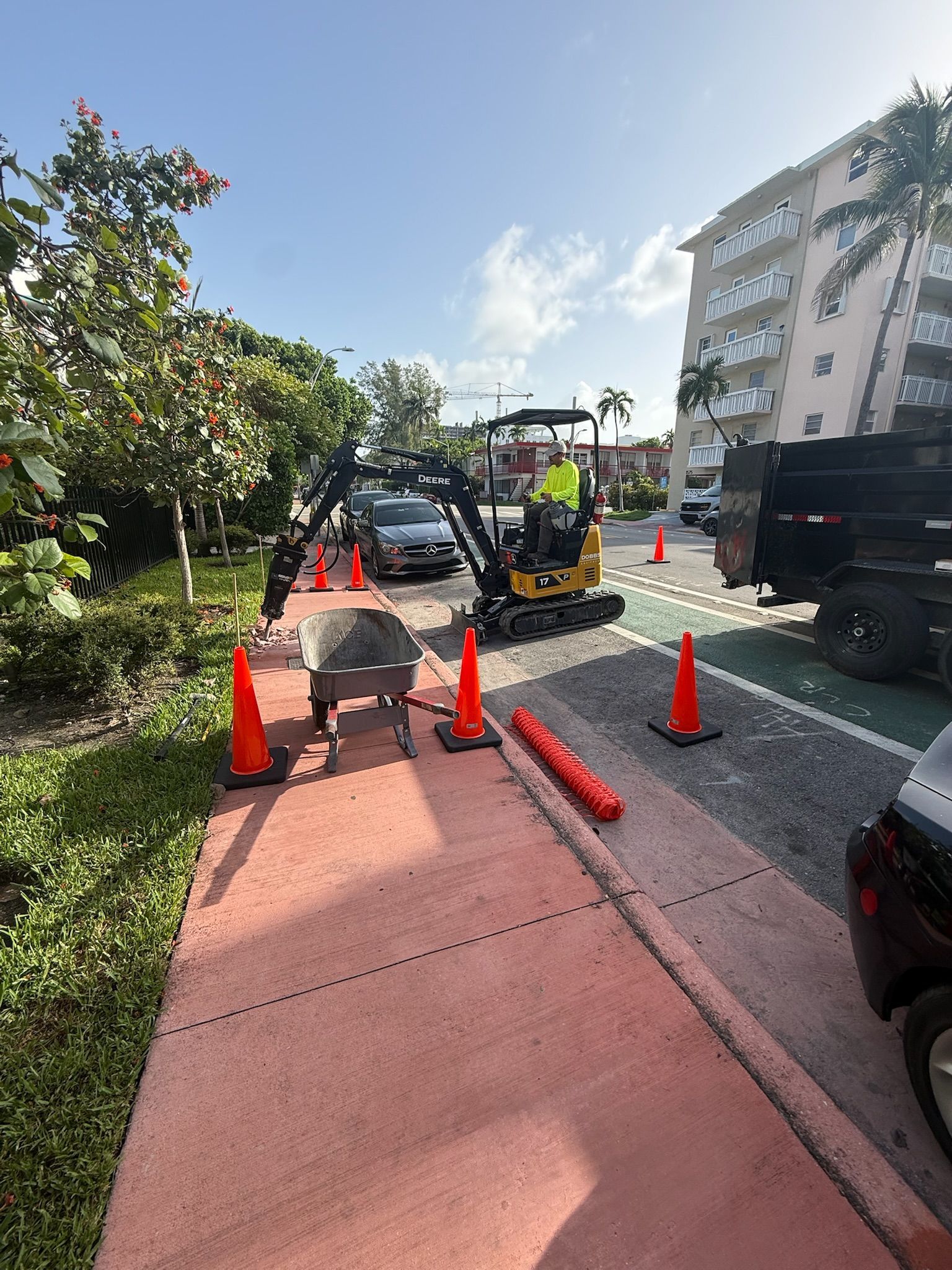
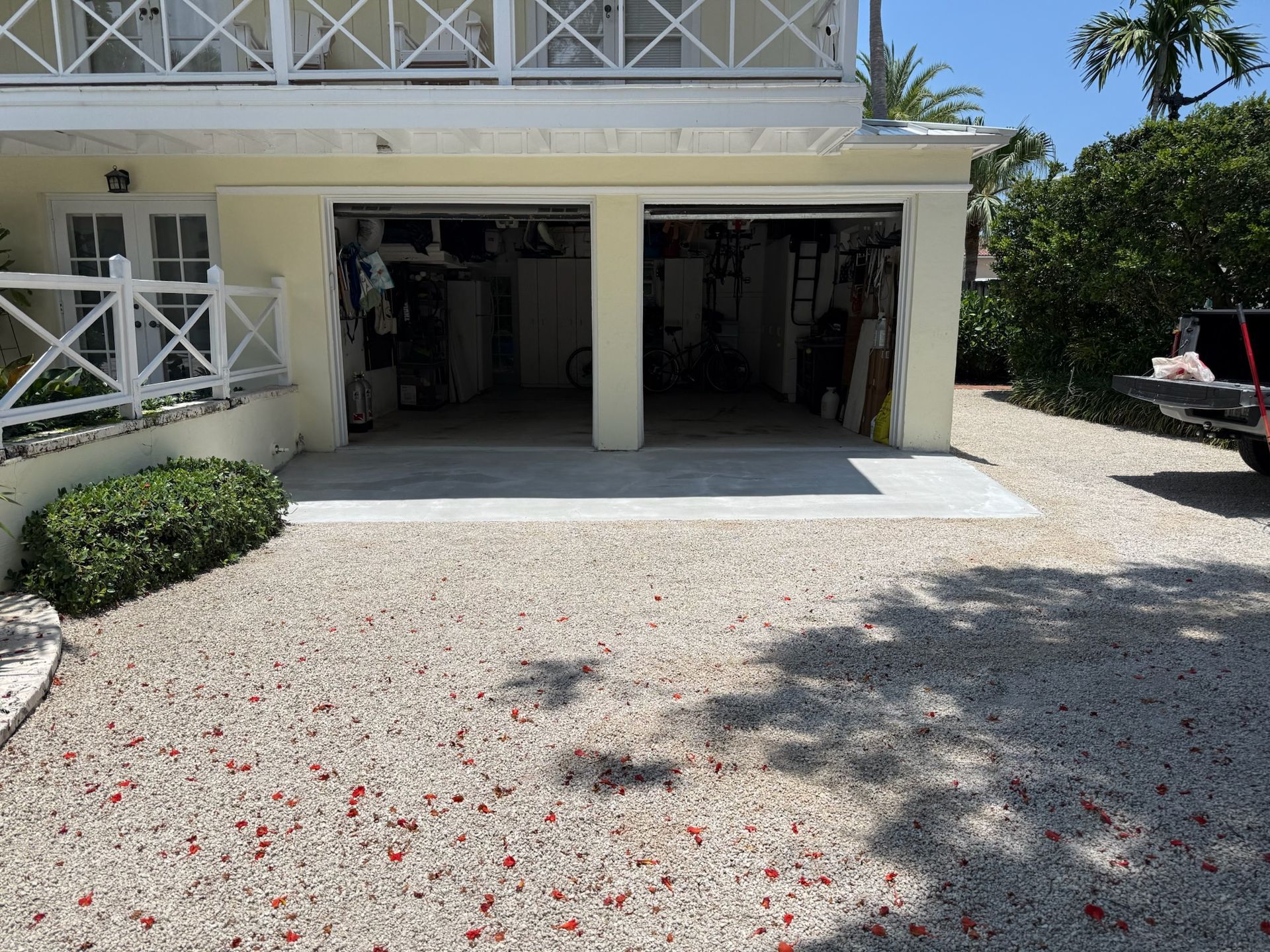
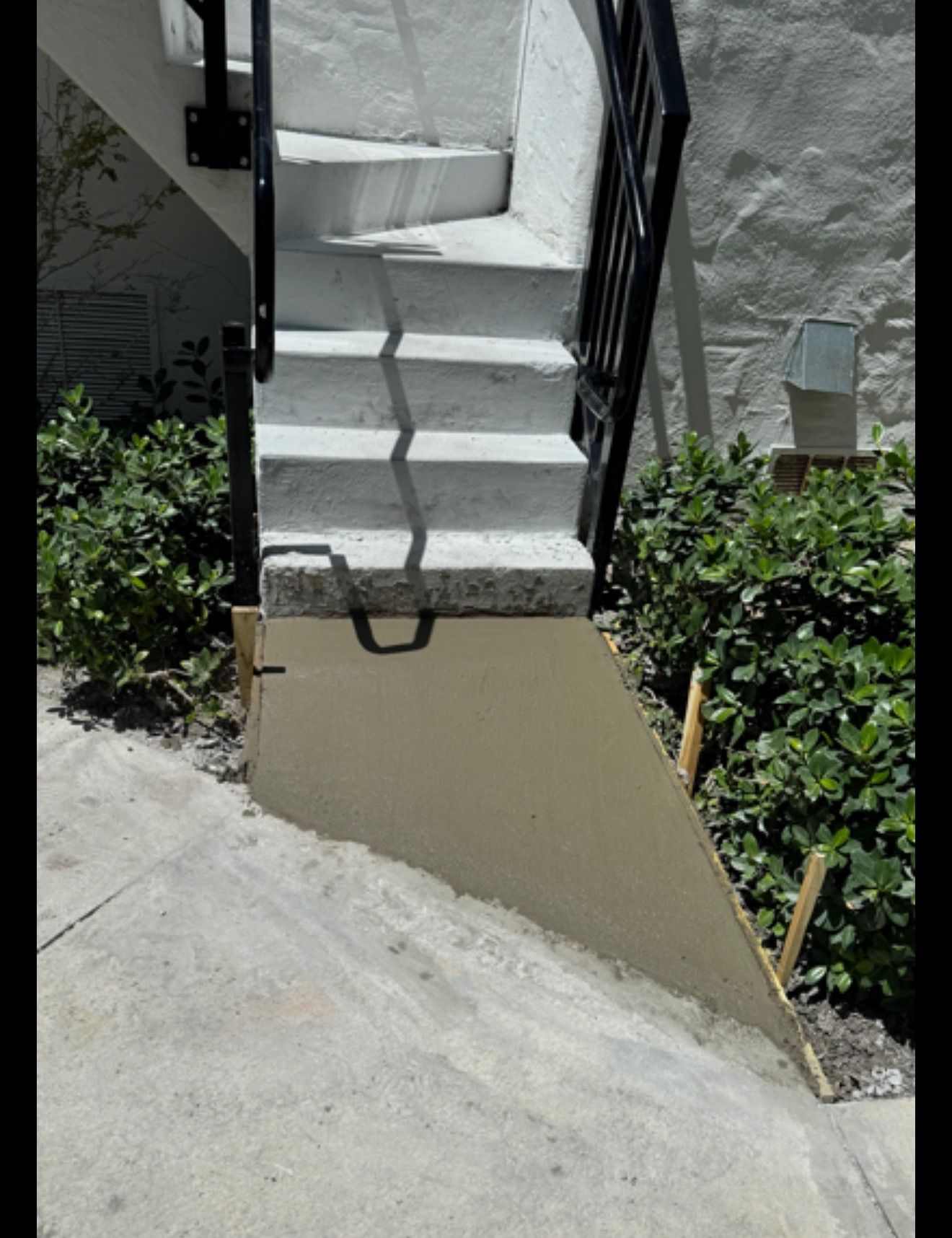
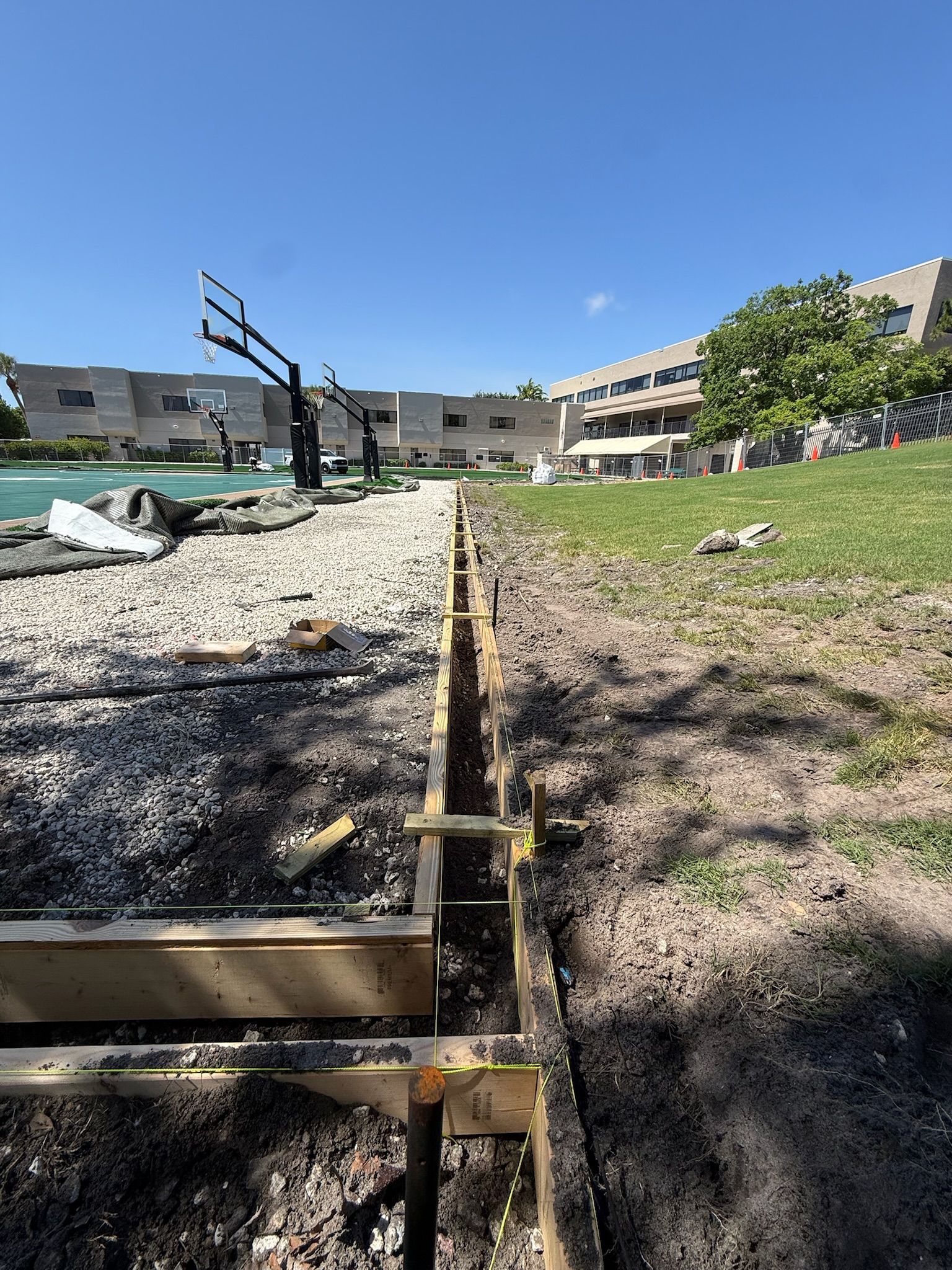
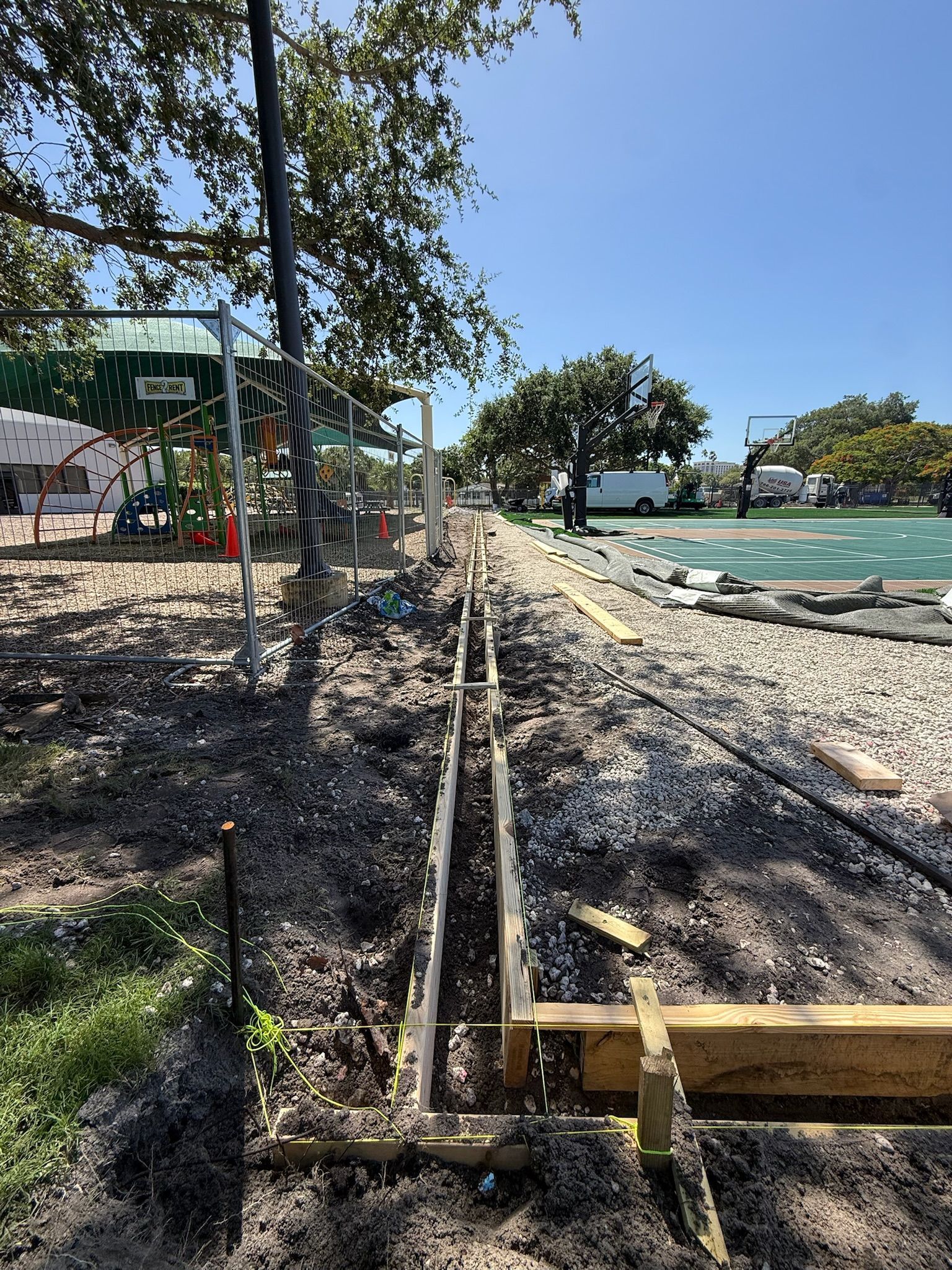
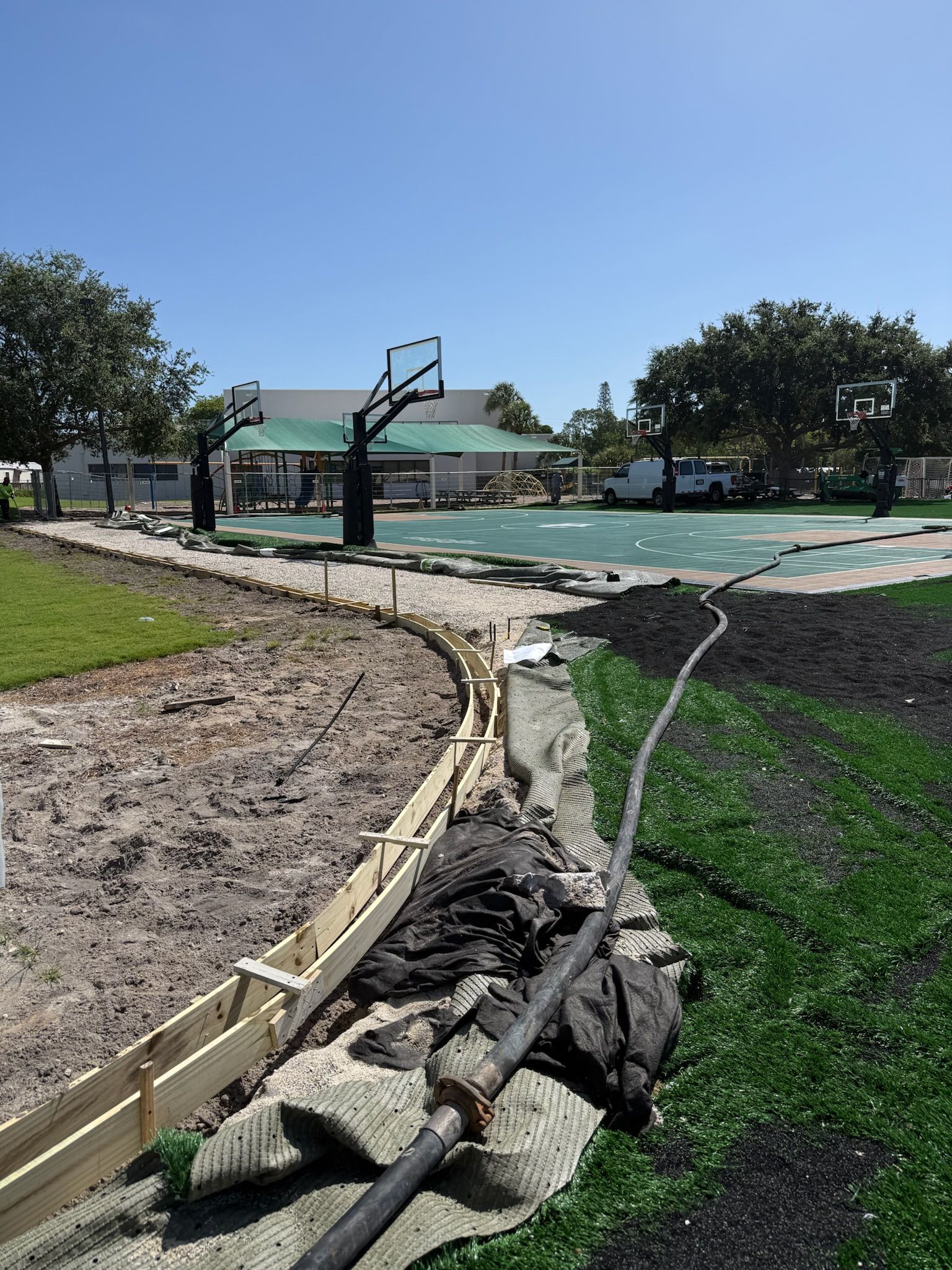
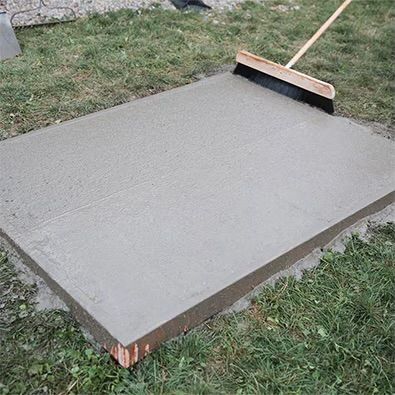
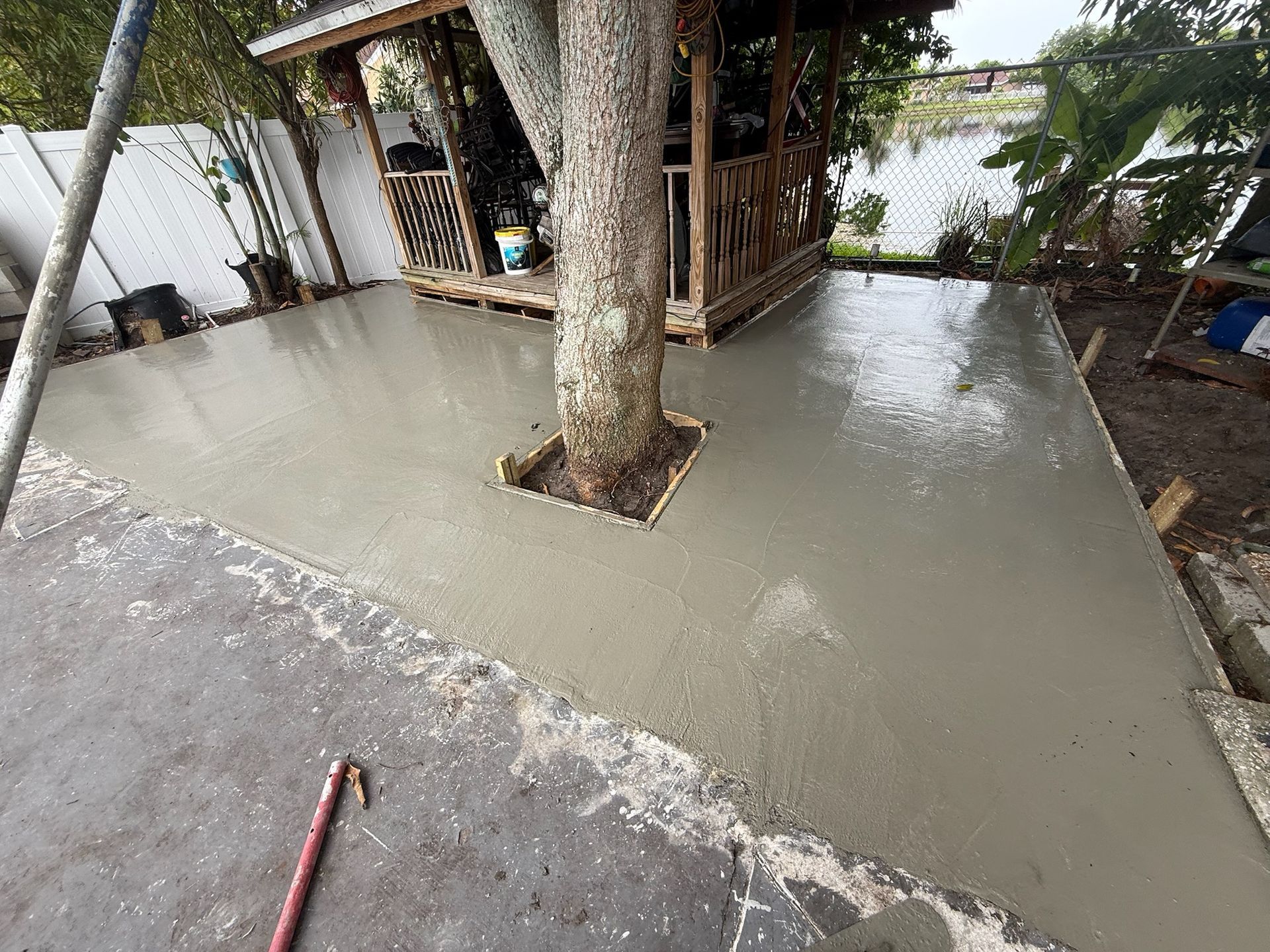
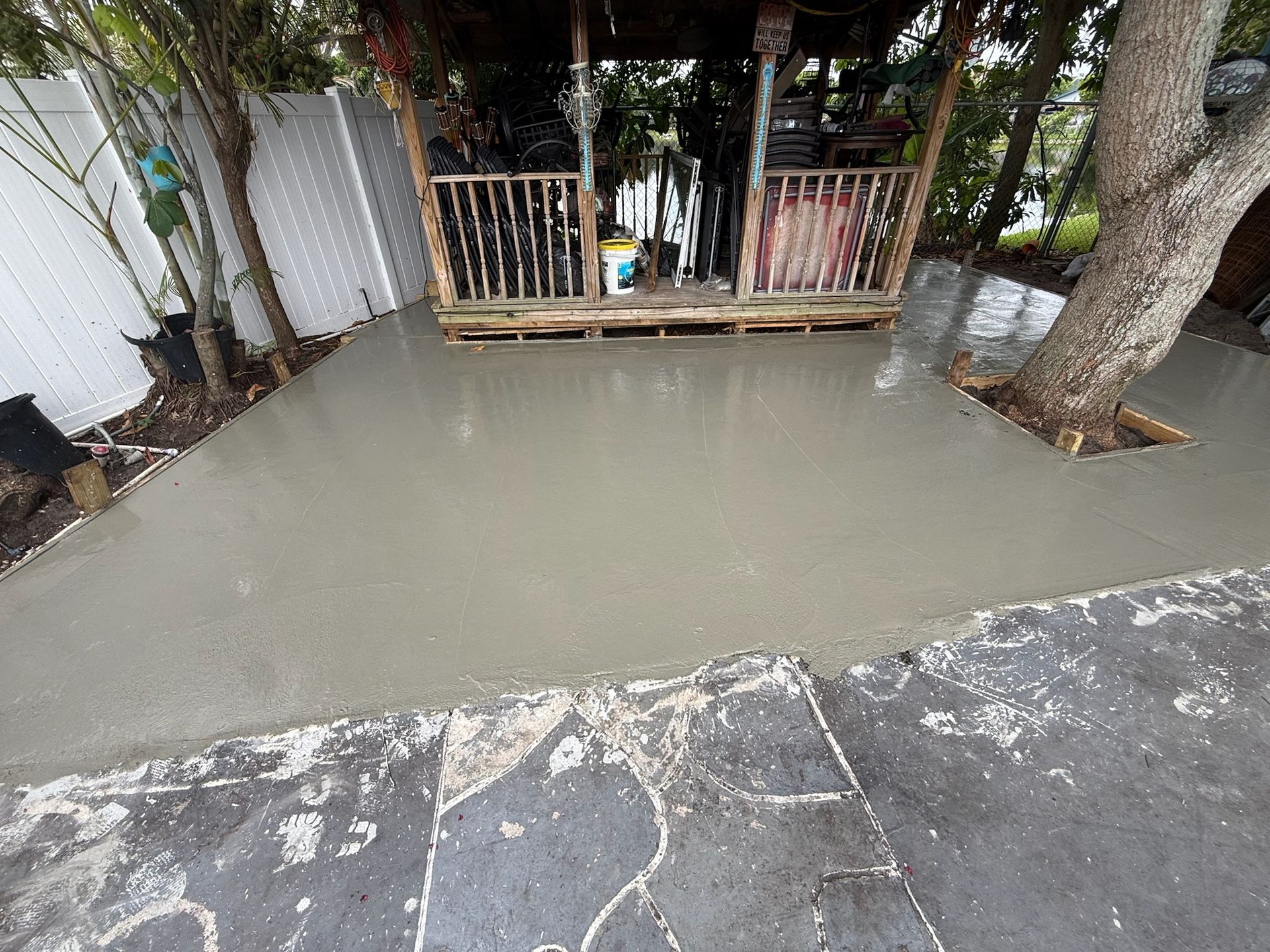
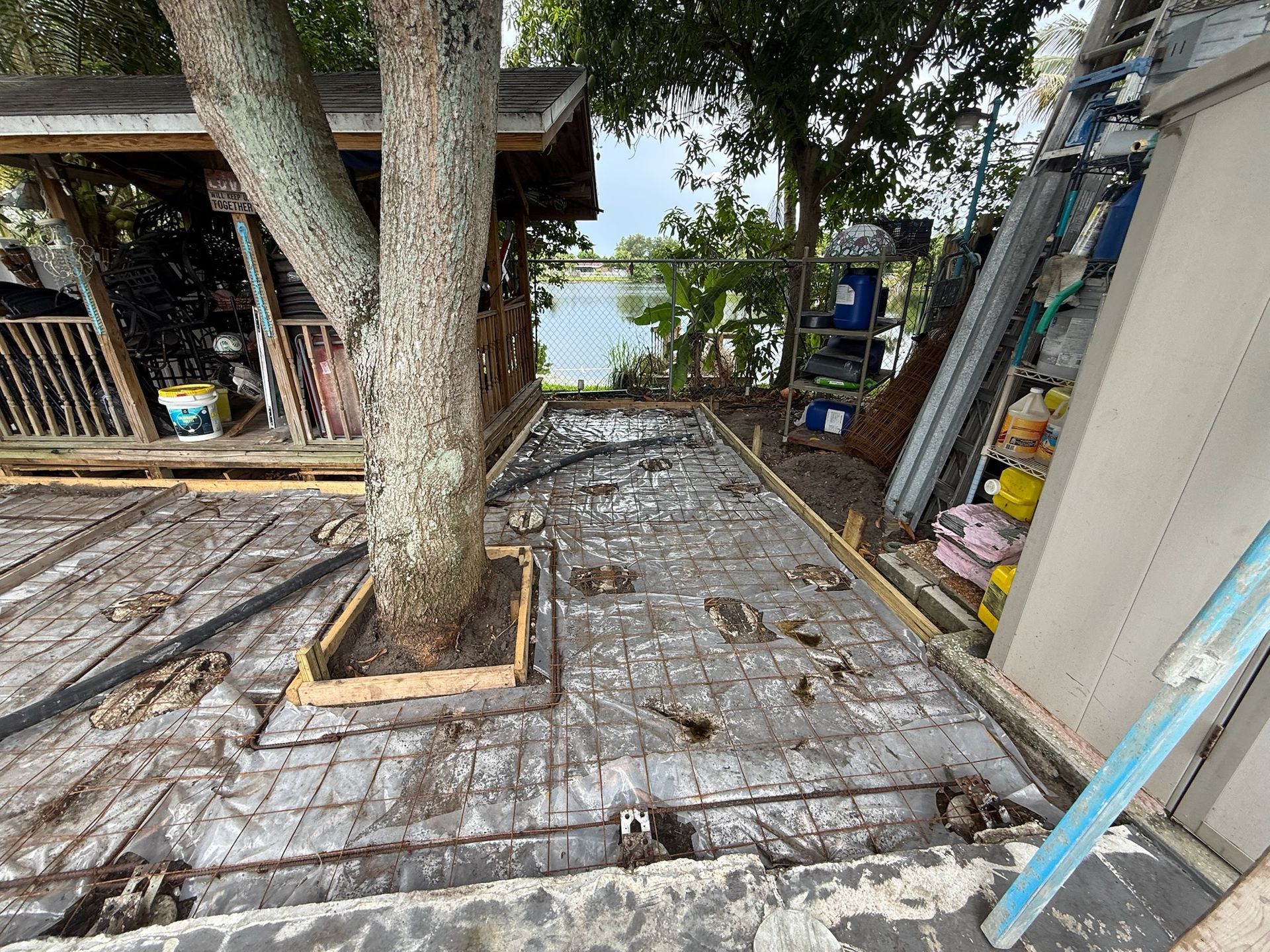
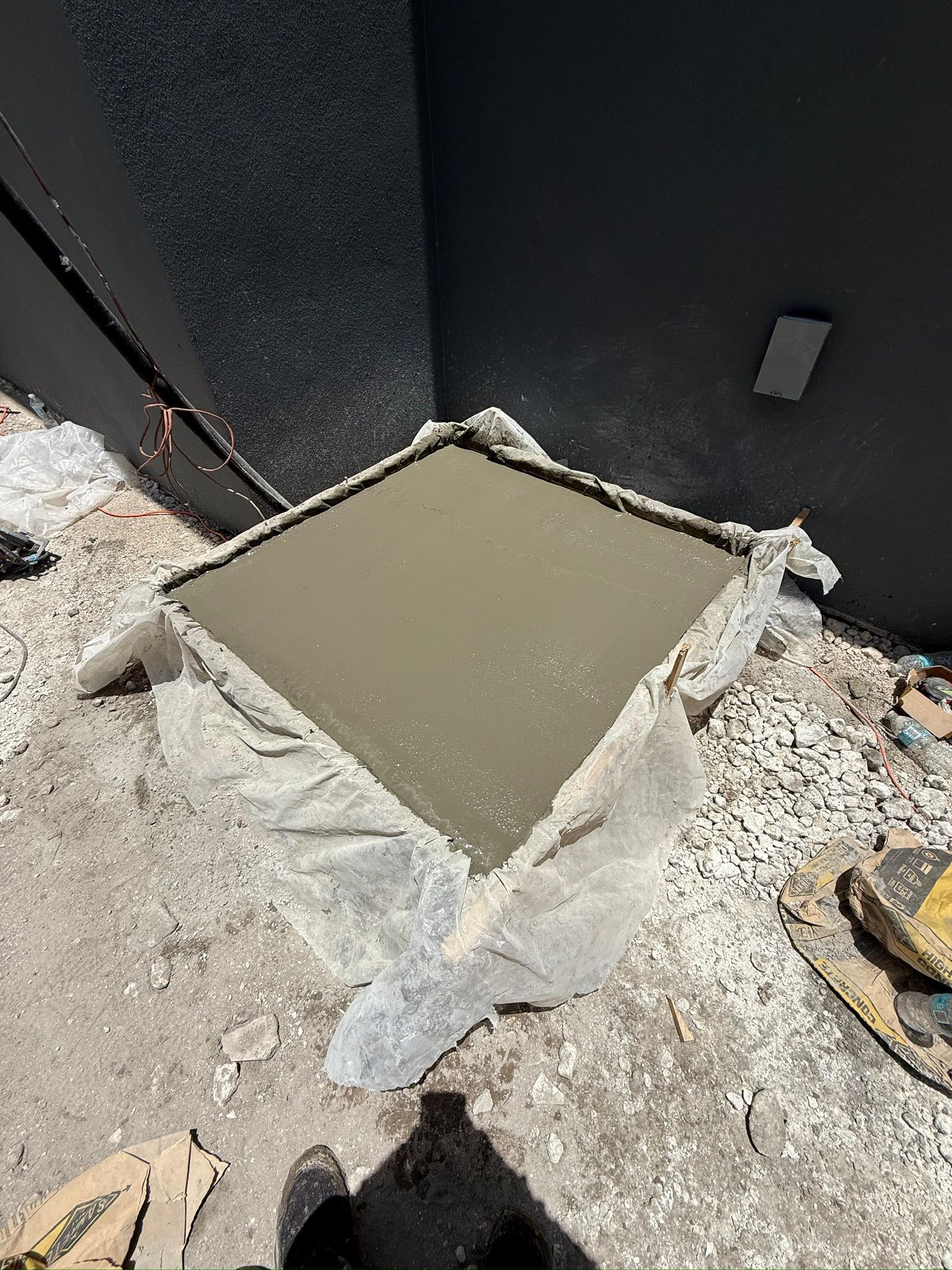
Browse completed removal and replacement work across Miami, Florida and the surrounding South Florida communities. Every surface shown was broken out, hauled away, and repoured by the Stones Throw Concrete team.


Areas We Serve
Stones Throw Concrete removes and replaces concrete across Miami-Dade, Broward, and Palm Beach County. Click below to explore our complete service area coverage.
FREQUENTLY ASKED QUESTIONS
Replacing concrete raises questions about cost, disruption, and whether the work is necessary at all. Below are honest answers to what we are asked most often across Miami, Florida.
Do you handle both the removal and the new pour?
Yes, and that is the point of this service. Many concrete companies quote the pour and subcontract the tear out and hauling to someone else, which adds a markup and creates a scheduling dependency they do not control. We own the excavators, the breakers, and the trucks, and we run the crews ourselves. One estimate covers removal, hauling, disposal, base preparation, and the new concrete. One company is accountable if anything about the finished surface is wrong.
Should I repair my concrete or replace it?
It depends on what is actually wrong. Surface level issues such as hairline cracking, minor chipping, or discoloration are often worth repairing or leaving alone. Structural issues are not. If sections sit at different heights, if cracks are wide enough to catch a coin, if water pools after every rain, or if the surface is flaking apart, the base underneath has usually failed and no surface treatment corrects that. We are a replacement contractor rather than a repair contractor, so if a repair genuinely makes more sense for your property, we will tell you that during the site visit rather than selling you a pour you do not need.
What happens to the old concrete after removal?
We load it into our own trucks and haul it away as part of the same scope. Concrete disposal is included in the estimate rather than rebilled as a separate line item or handled through a third party dumpster rental that sits on your property for a week. This matters more than it sounds. Contractors who subcontract hauling often add a margin on top of the disposal cost, and dumpster based removal means the debris stays on site until someone else schedules a pickup. Our trucks leave with the material the same day the breaking out is done.
How long does concrete removal and replacement take?
For a typical residential driveway or patio, removal and haul off is usually one day, base preparation is a second day, and the pour is a third. That means most projects are complete within three to four days of active work. Larger surfaces, heavily reinforced concrete, and sites with difficult access take longer. Cure time is separate. Foot traffic is generally safe after twenty four to forty eight hours and vehicle traffic after about seven days. We give you specific dates during the estimate so you can plan around the days the surface is unusable.
Do you remove asphalt as well as concrete?
Yes. Asphalt removal is a regular part of what we do, whether you are converting an asphalt driveway or parking area to concrete, or simply clearing the surface for something else. Asphalt breaks out differently than concrete and the disposal stream is different, but the equipment and the process are the same on our end. If you are converting from asphalt to concrete, the base almost always needs additional preparation, since asphalt is typically laid over a lighter base than concrete requires. We assess that during the site visit and include it in the estimate rather than discovering it mid-project.
Will removal damage my landscaping, irrigation, or nearby surfaces?
This is the part of the job that separates careful contractors from cheap ones. Before any equipment moves, we identify irrigation lines, utility runs, tree roots, and adjacent surfaces that need protecting. We set protection where equipment will travel and work in a sequence that keeps machines off areas that do not need to be disturbed. Some disruption to grass and soil immediately around the work area is unavoidable, and we tell you exactly what that will be during the estimate rather than after. If a line is hit despite reasonable care, we handle the repair.
Can you remove concrete in a tight or gated space?
In most cases yes, though the approach changes. Backyards, courtyards, side yards, and gated properties often cannot accommodate a full size excavator, so the work is done with compact equipment, or in some cases by hand with breakers and wheelbarrows. Hand demolition costs more per square foot because it takes considerably longer, and that is the single biggest reason two similar sized surfaces can be priced very differently. We assess access during the site visit and tell you which method your property requires before you see a number.
Can I change the size or shape of the surface during replacement?
Yes, and this is by far the cheapest time to do it. The equipment is already on site, the base work is already underway, and the forming happens either way. Widening a driveway, extending a patio, squaring off an awkward corner, or adding a parking pad costs a fraction of what the same change would cost as a standalone project later. We measure the available space during the site visit and show you the options along with what each one adds to the estimate.
How do you handle concrete that has rebar or wire mesh in it?
Reinforced concrete takes longer to remove and generates heavier debris, which affects both labor time and disposal cost. Rebar has to be cut and separated as the slab comes apart rather than simply broken up, and the material is heavier per square foot when it leaves the site. This is why we ask about the original construction during the site visit and why we look at exposed edges where we can. If we cannot tell what is in the slab, we say so and explain how that affects the range in the estimate rather than quoting a number we might have to revise.
What warranty applies to the replacement concrete?
The new pour carries the same specification based warranty as any concrete we install. Non-reinforced concrete carries a one year limited workmanship warranty with no coverage against cracking, settlement, or movement. Four inch concrete with wire mesh carries a five year limited workmanship warranty. Six inch reinforced concrete with wire mesh and rebar carries a ten year limited structural and workmanship warranty. Replacement is a good moment to consider upgrading the specification, since the failure you are correcting was often caused by the original surface being underbuilt for its use.
Do you handle commercial concrete removal?
Yes. Roughly half our work is commercial, and that includes parking areas, loading zones, walkways, work yards, and interior slabs for tenant improvements and renovations. Commercial removal differs from residential mainly in scheduling. A business usually cannot lose access for several days, so the work often needs to be sequenced in sections, completed outside operating hours, or coordinated around a wider construction schedule. We work with property managers and general contractors on that basis and plan the phasing before the first machine arrives.