LAND CLEARING AND SITE PREPARATION IN MIAMI, FLORIDA
Stones Throw Concrete clears overgrown lots, commercial parcels, and building sites for homeowners, developers, and general contractors across Miami-Dade, Broward, and Palm Beach County. We clear it, haul it, and leave the ground ready for the next trade.
Professional Installation Practices
High-Quality Materials
Licensed & Insured in Florida
PROFESSIONAL LAND CLEARING AND SITE PREPARATION
Clearing land in South Florida is rarely just cutting back growth. Vegetation returns fast here, root systems run deep, and what is left in the ground decides whether the next stage goes smoothly.
We clear overgrown residential lots, commercial parcels, and building sites across Miami. Brush, vegetation, stumps, and debris come out, and the ground is graded so the site is ready to work on.
As a site preparation contractor we also handle what comes next. The same crew excavates, grades, and pours, so a cleared lot moves toward a finished slab without a second company being brought in.

LAND CLEARING SCOPES WE HANDLE
Clearing covers everything from a single overgrown yard to a multi-acre commercial parcel, and the equipment changes with the scale. These are the five scopes we are asked for most often across South Florida.
Overgrown Lot Clearing
Residential lots that have gotten away from the owner. We take the growth back to bare, workable ground in one visit.
Brush and Vegetation Removal
Underbrush, palmetto, invasive growth, and ground cover cut out and hauled off rather than pushed into a pile and left.
Tree and Stump Removal
Stumps and root mass pulled out, not just cut flush. Roots left in the ground cause settlement under whatever goes on top.
Commercial Parcel Clearing
Larger sites cleared for development, on a schedule that fits the build calendar and the inspections attached to it.
Building Pad Preparation
Clearing carried through to a level, compacted pad. The site is handed over ready for footings, forms, or the next trade.
PERMITTING AND VEGETATION ORDINANCES IN MIAMI-DADE
Clearing without the right approvals can cost far more in penalties than the work itself was ever going to cost. These are the points worth understanding before anything on your property comes down.
Tree Removal Usually Needs a Permit
Removing or relocating trees generally requires approval before work begins.
Some Trees Carry Extra Protection
Larger and native species face stricter rules, and a few cannot be removed at all.
Replanting May Be Required
Approval to remove often comes with a condition to replant or pay into a county fund.
City Rules Differ From County Rules
A property inside a municipality may face requirements the county alone would not apply.
Some Land Is Designated Sensitive
Some parcels carry environmental designations that limit clearing.
OUR LAND CLEARING AND SITE PREP PROCESS
Clearing runs in a set order because taking things out of sequence creates rework and wasted machine time. You always know which stage the site is in and what condition it will be in when we finish.
Step 1
Scope and Site Walk
We walk the property with you, agree what comes out and what stays, and identify anything that needs protecting.
Step 2
Permitting Review
We review what approvals your property is likely to need before any equipment is scheduled or any price is committed.
Step 3
Estimate and Schedule
You receive a detailed estimate covering clearing, stump removal, haul off, and final grade, with a start date attached.
Step 4
Clearing and Haul Off
Growth and stumps are removed, root mass is pulled, and everything is loaded into our own trucks rather than piled on site.
Step 5
Grading and Handover
The cleared ground is graded and compacted to the finish your project needs, then walked with you before we leave.
WHY PROFESSIONAL LAND CLEARING MATTERS IN SOUTH FLORIDA
Clearing looks like the simplest stage of a project. It is usually the one that carries the most regulatory risk and the most buried surprises.
Roots left in place settle. A tree taken down without approval turns into a penalty that dwarfs the cost of the clearing itself.
We clear, haul, and grade with our own crews and equipment, then carry the same site through to excavation and concrete when you need it. Alan is on site throughout, and most estimates are returned within two days.
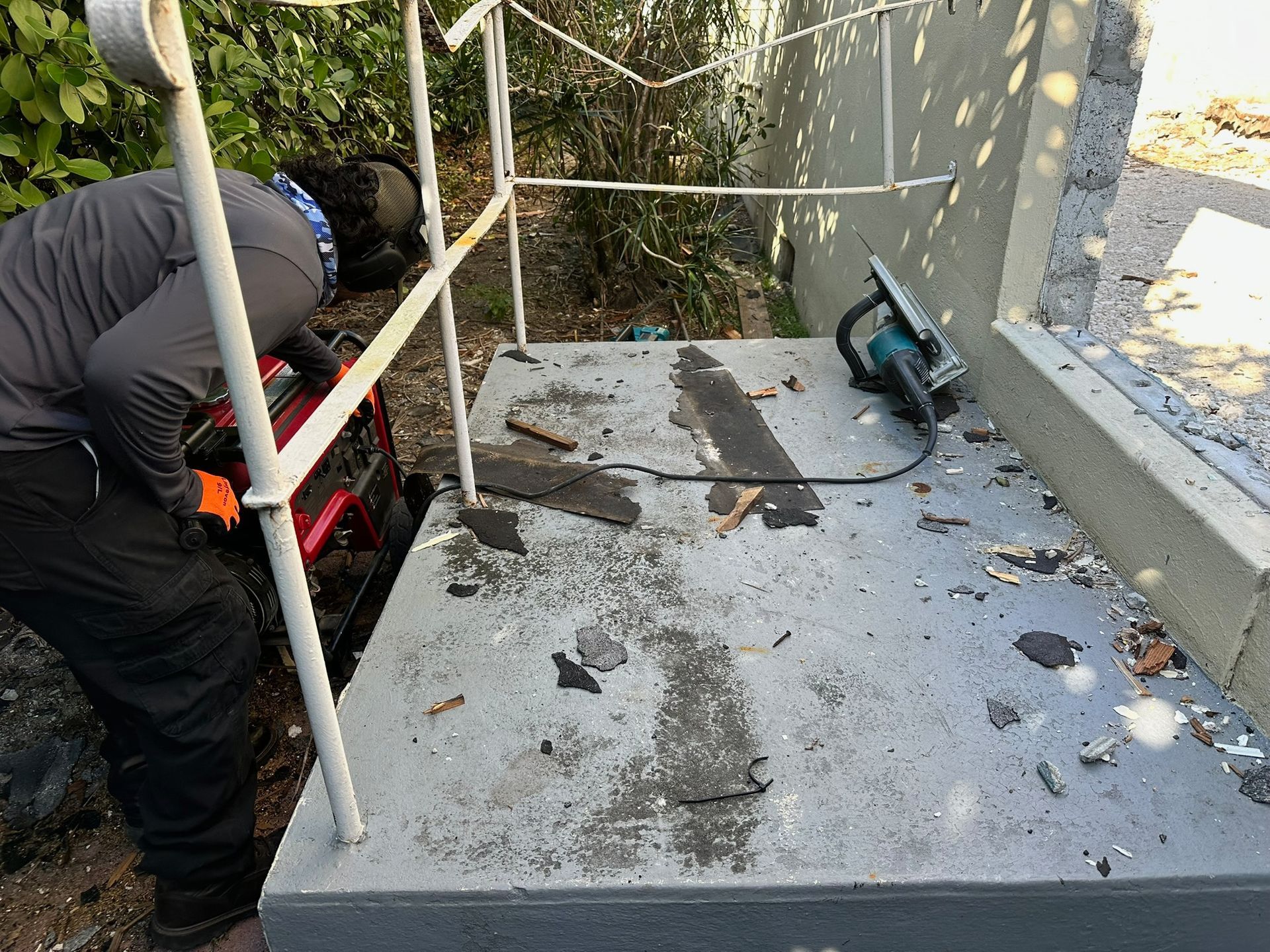
Explore Our Recent Projects
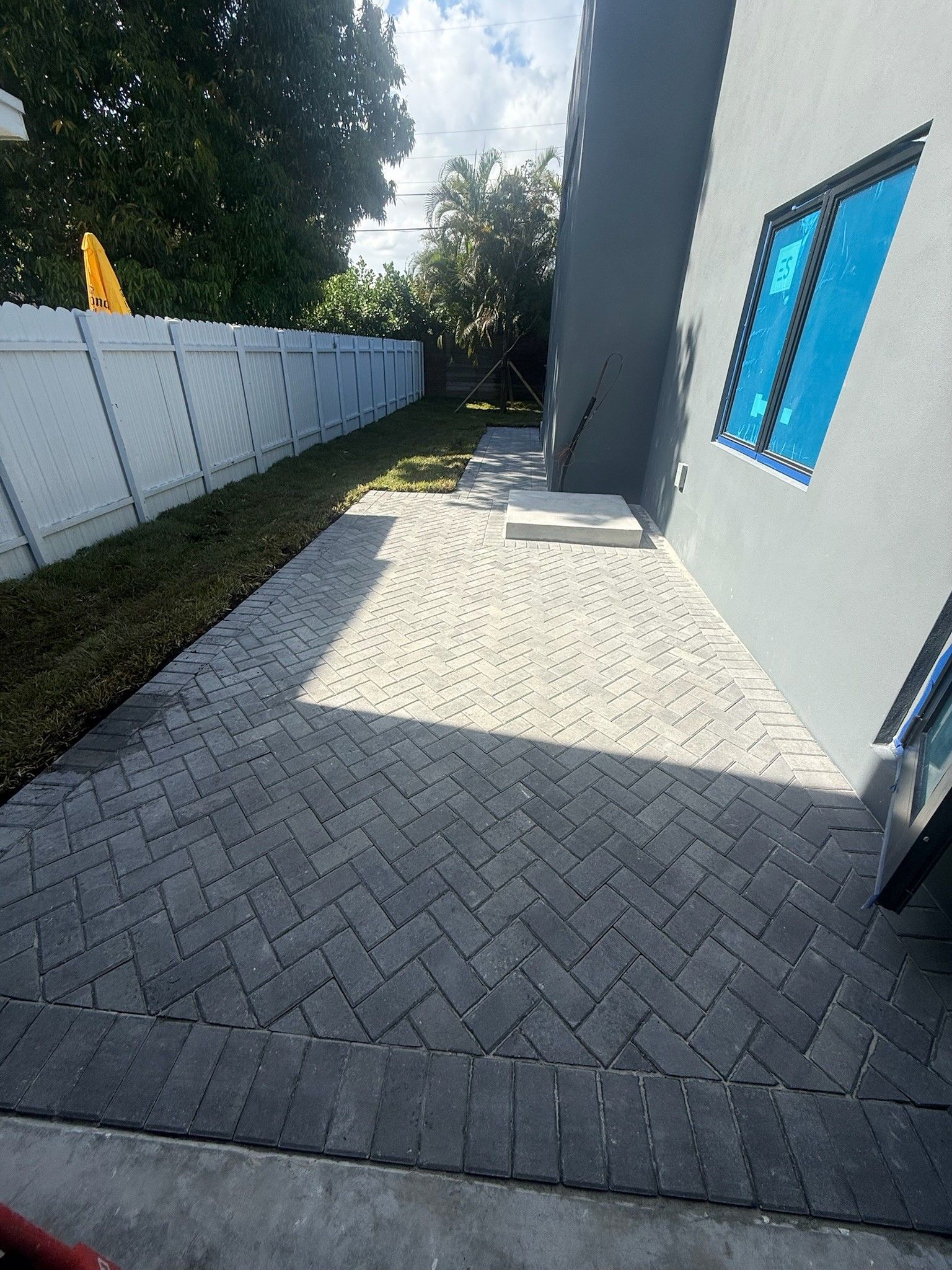
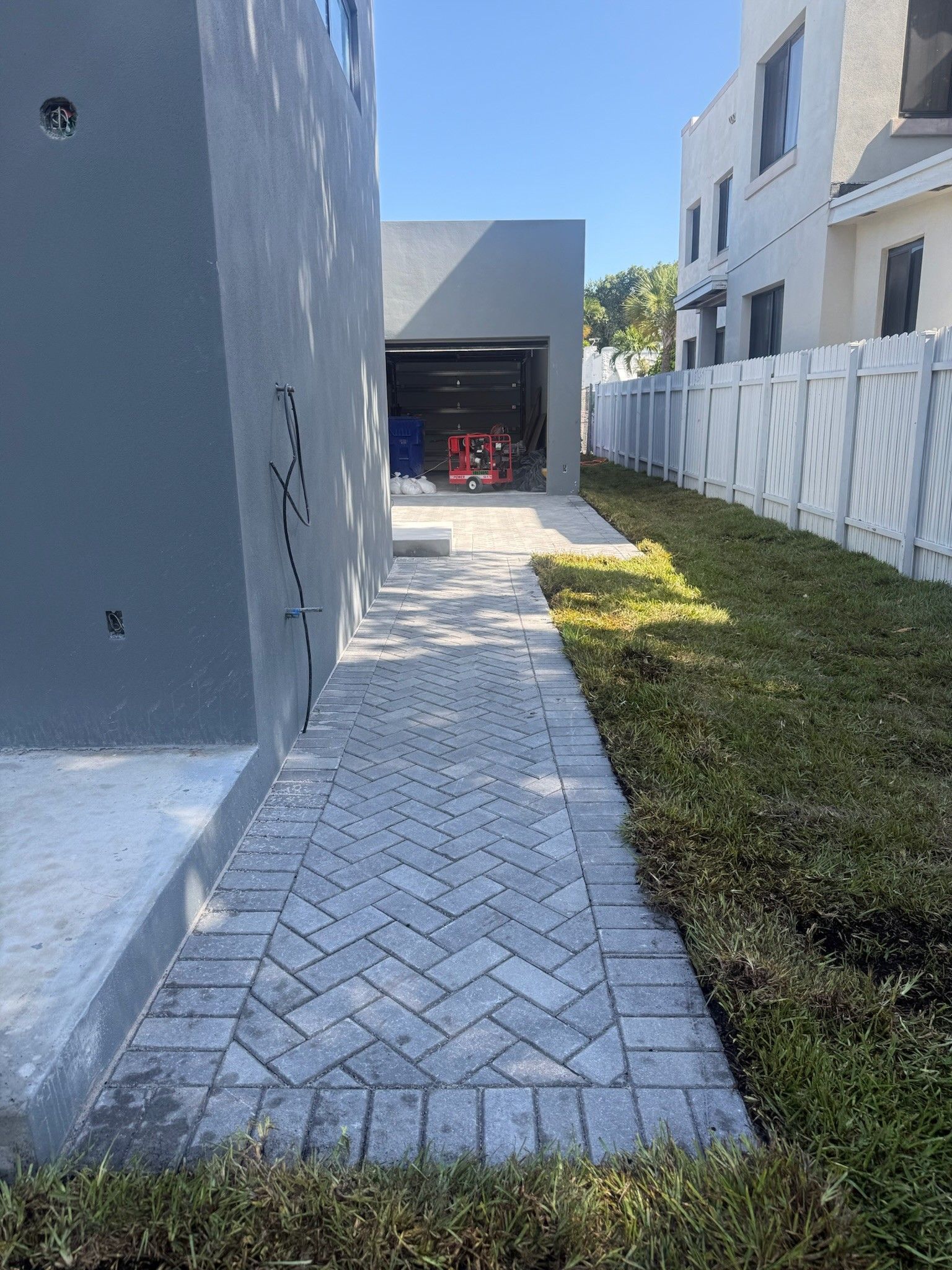
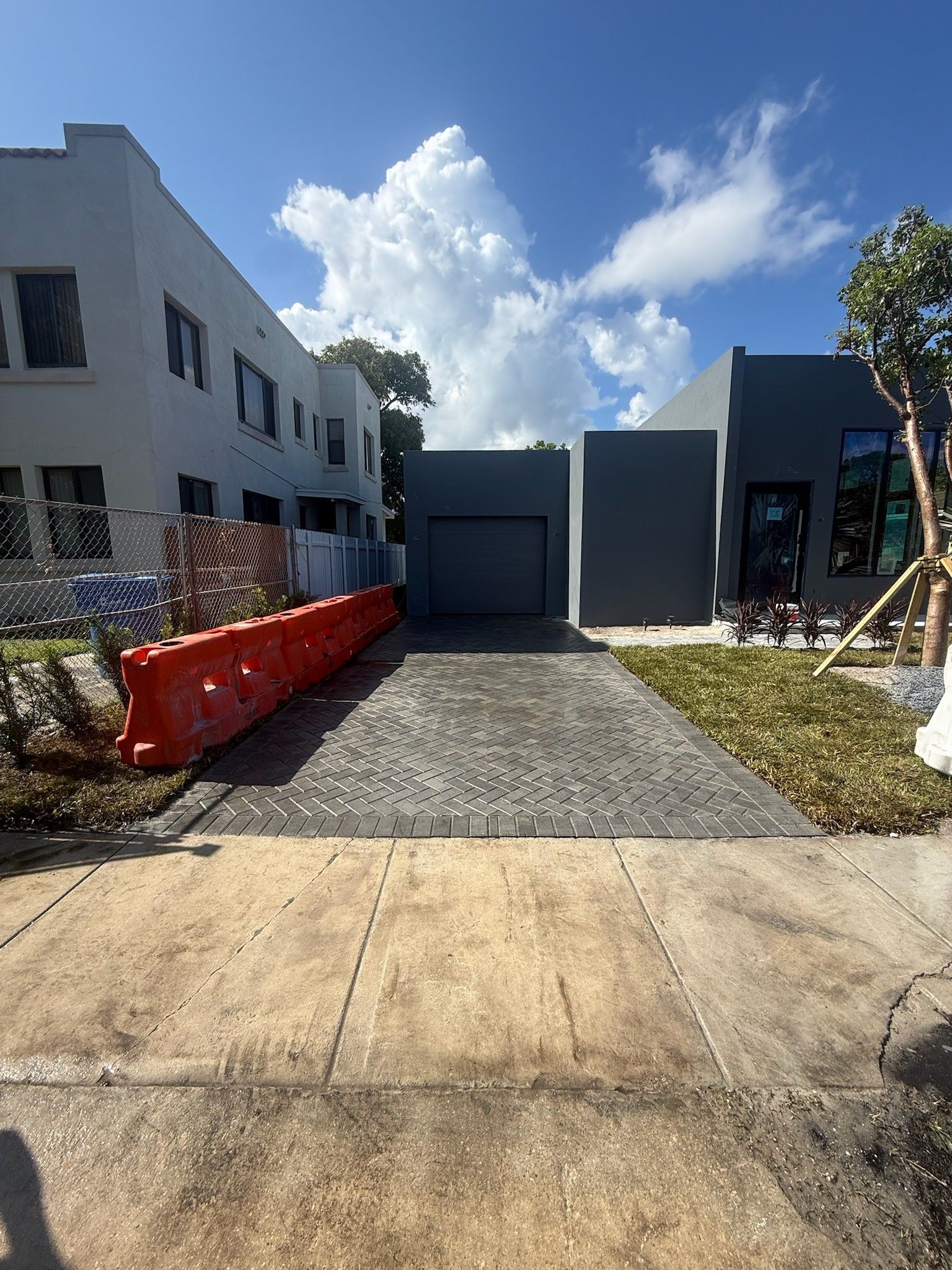
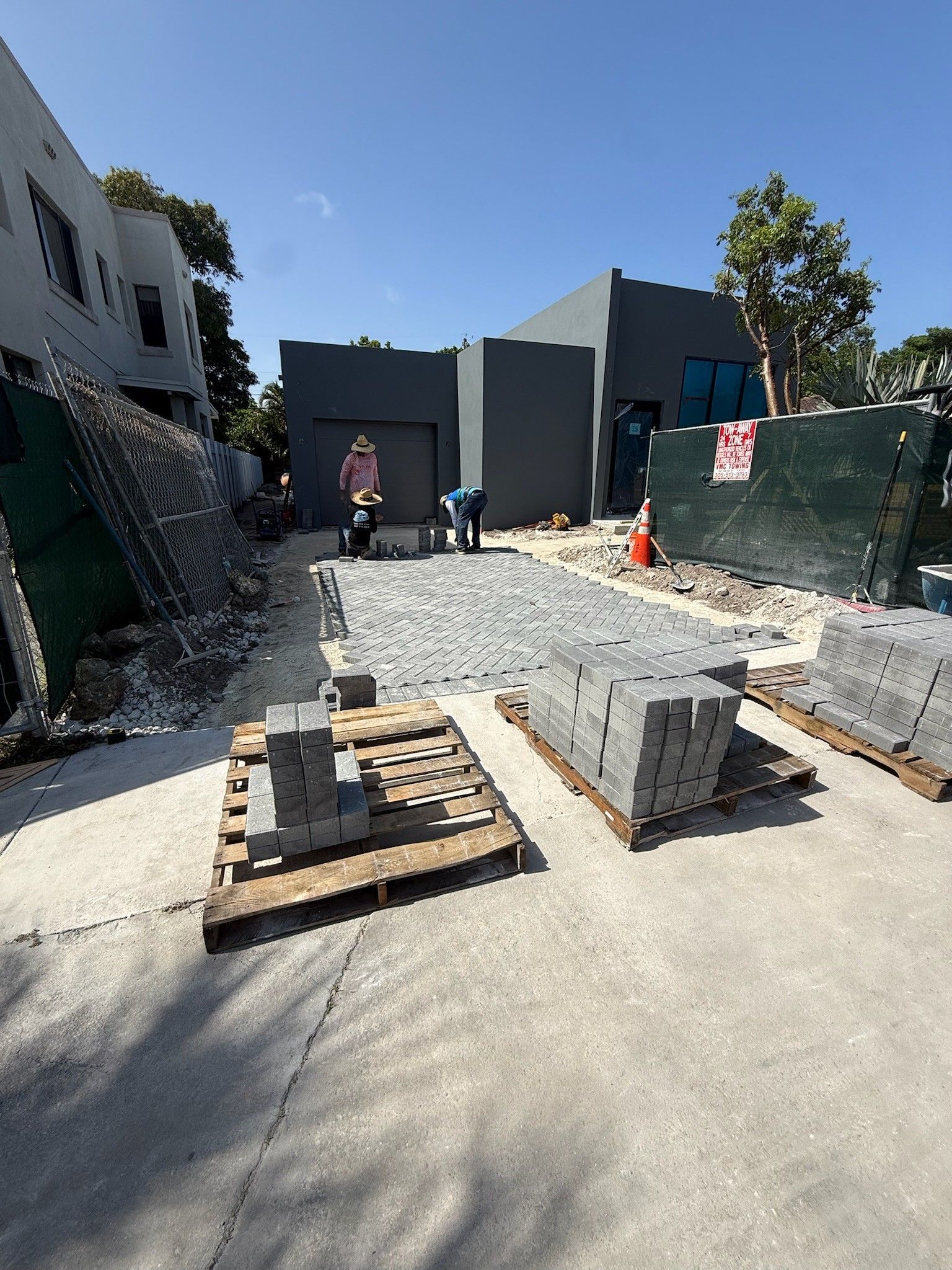
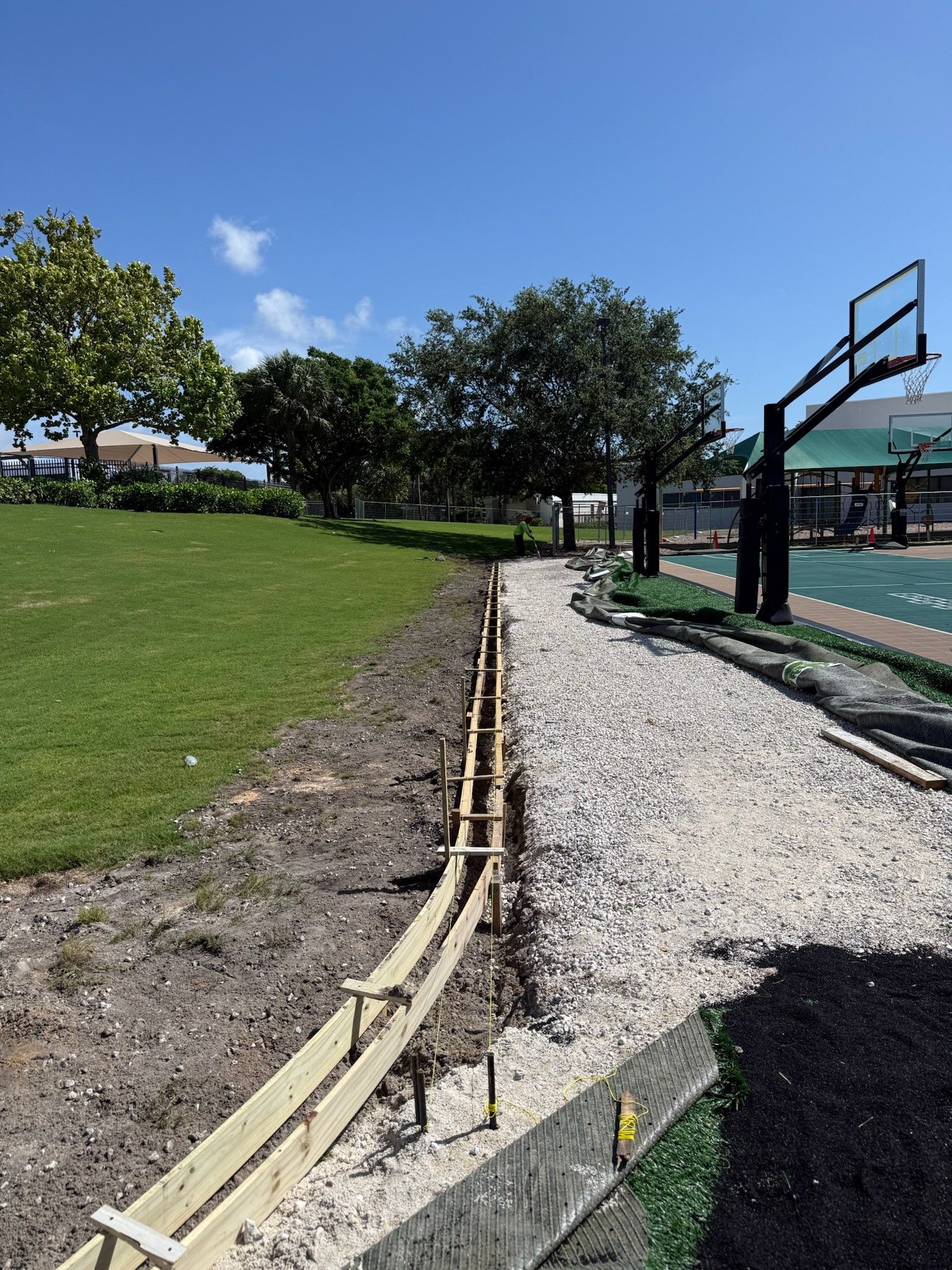
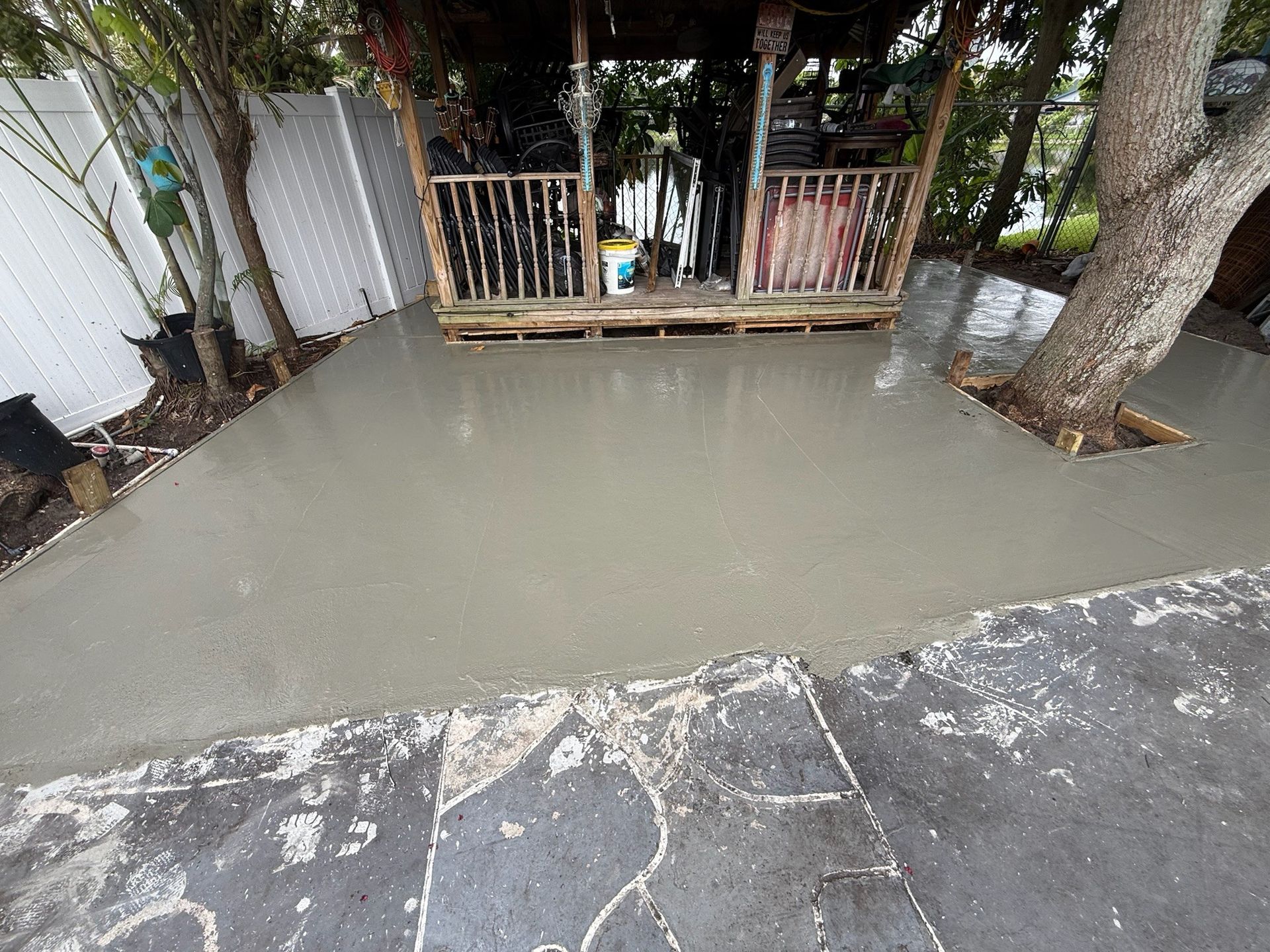
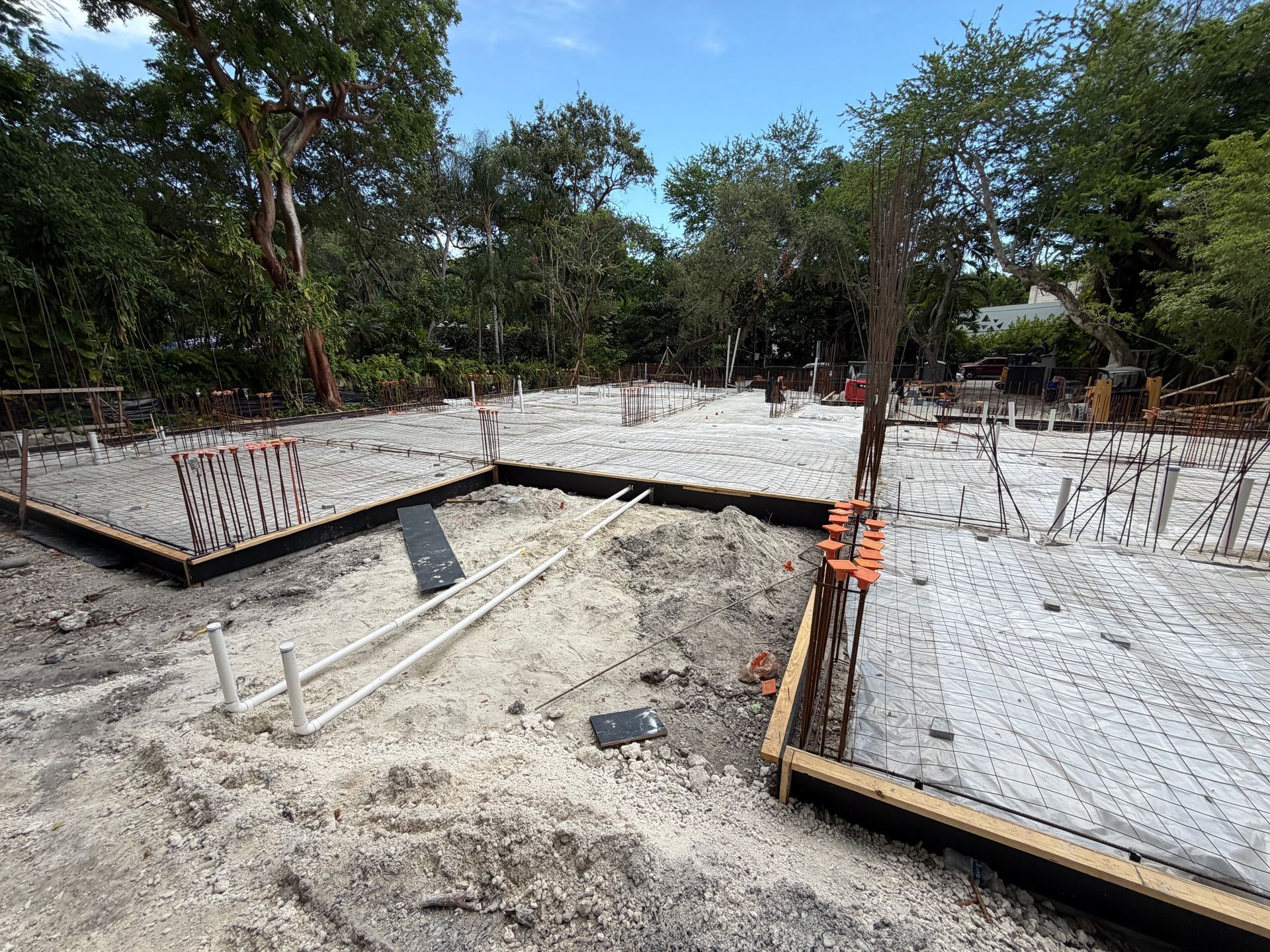
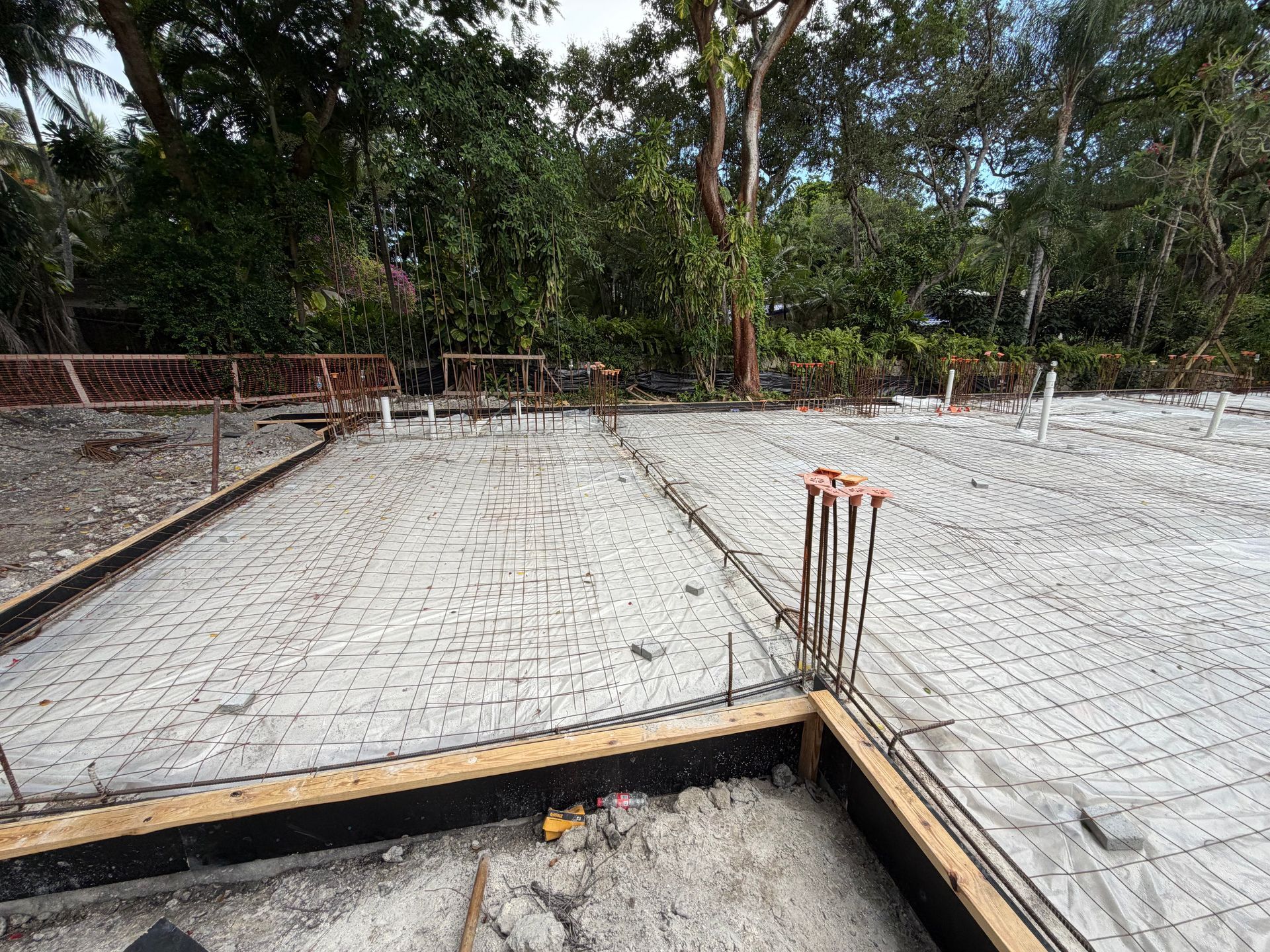
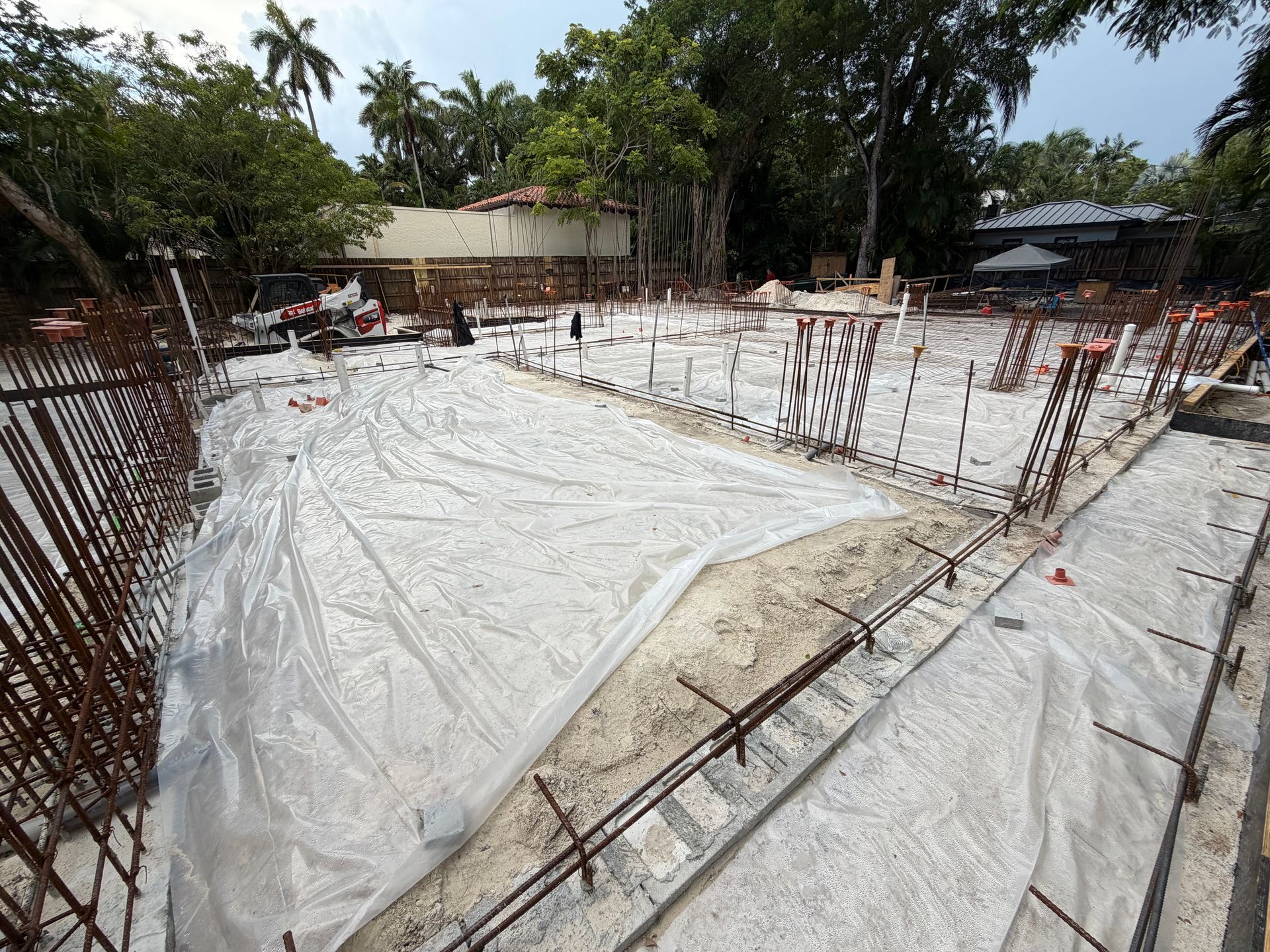
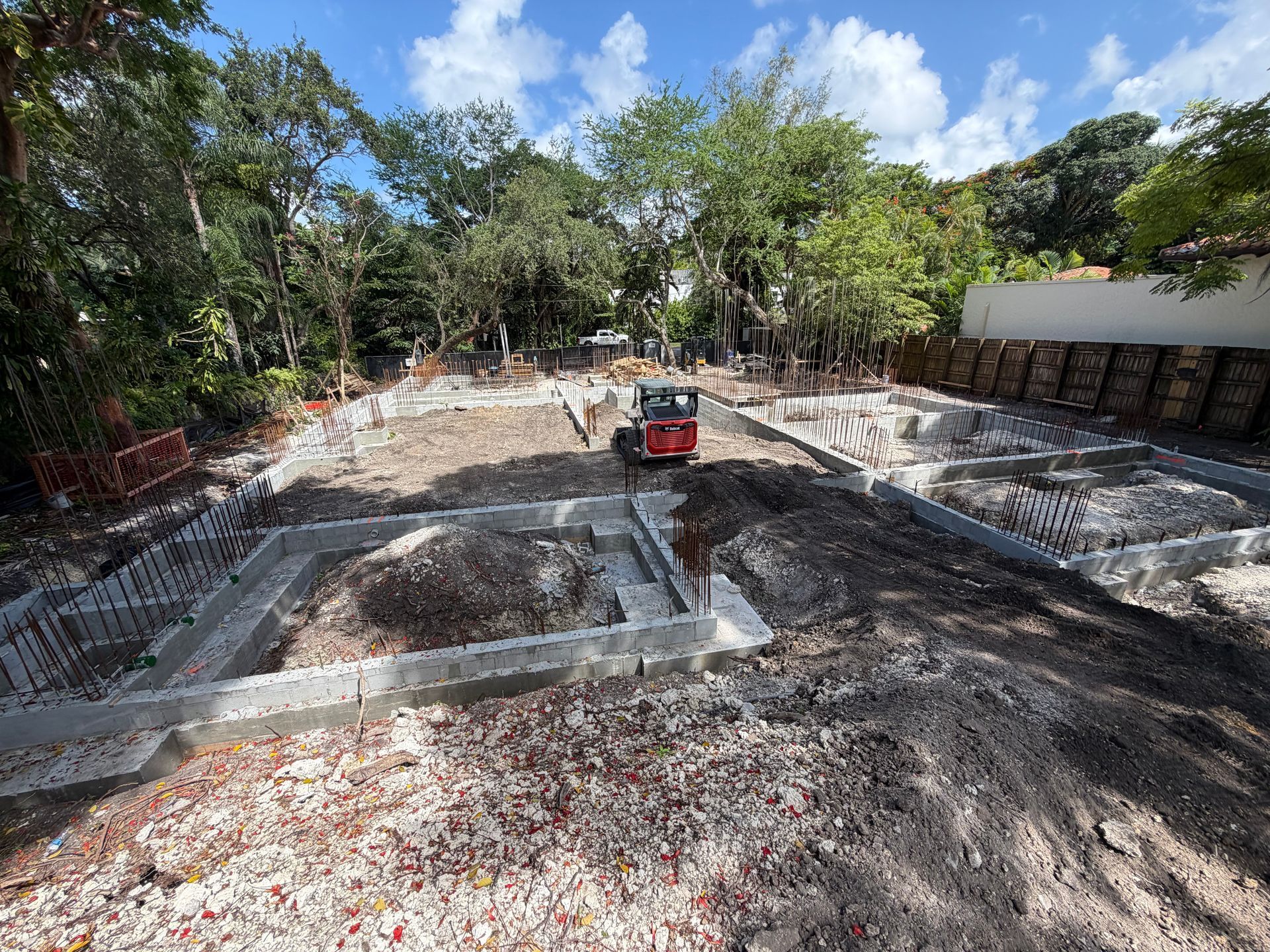
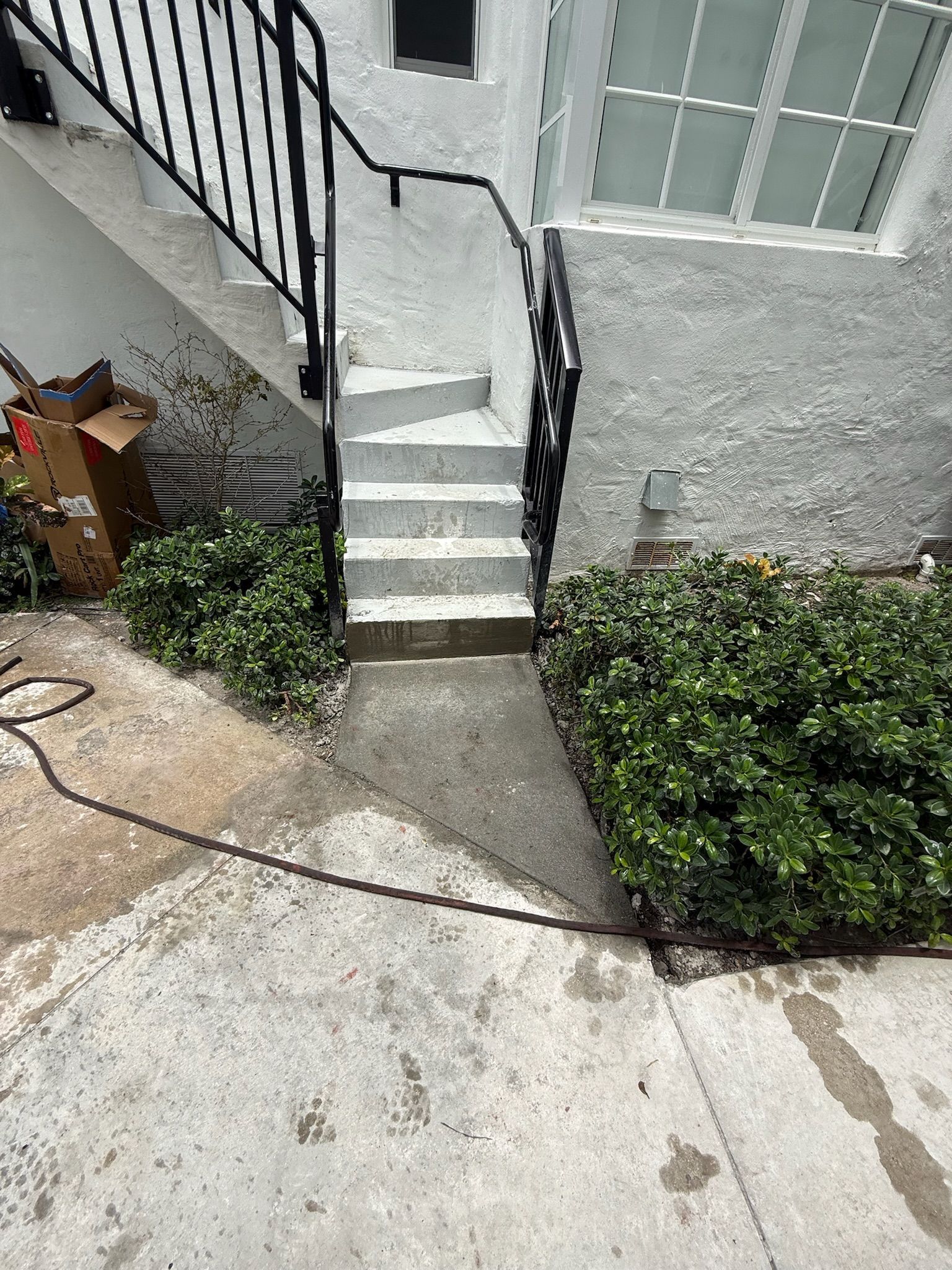
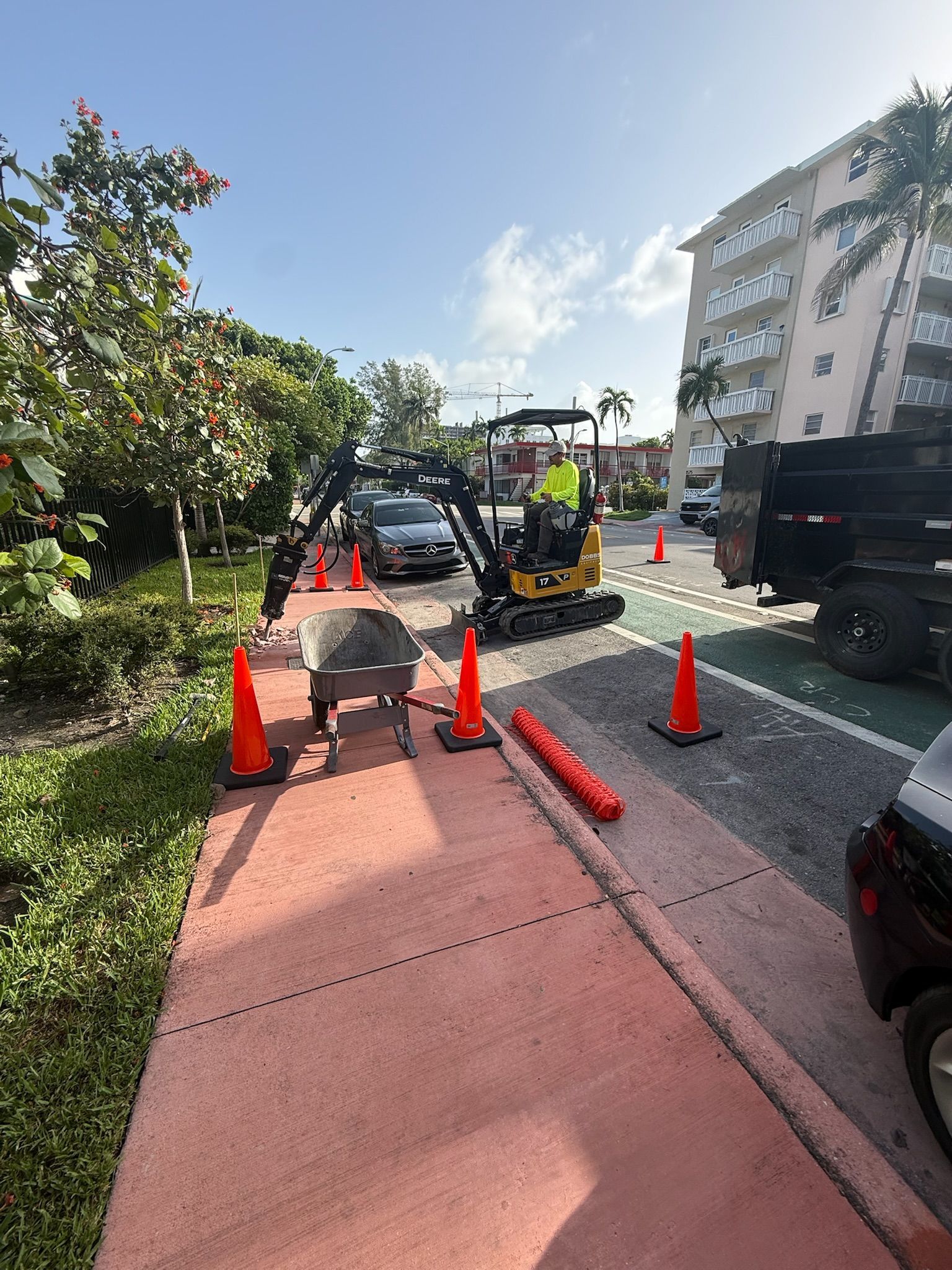
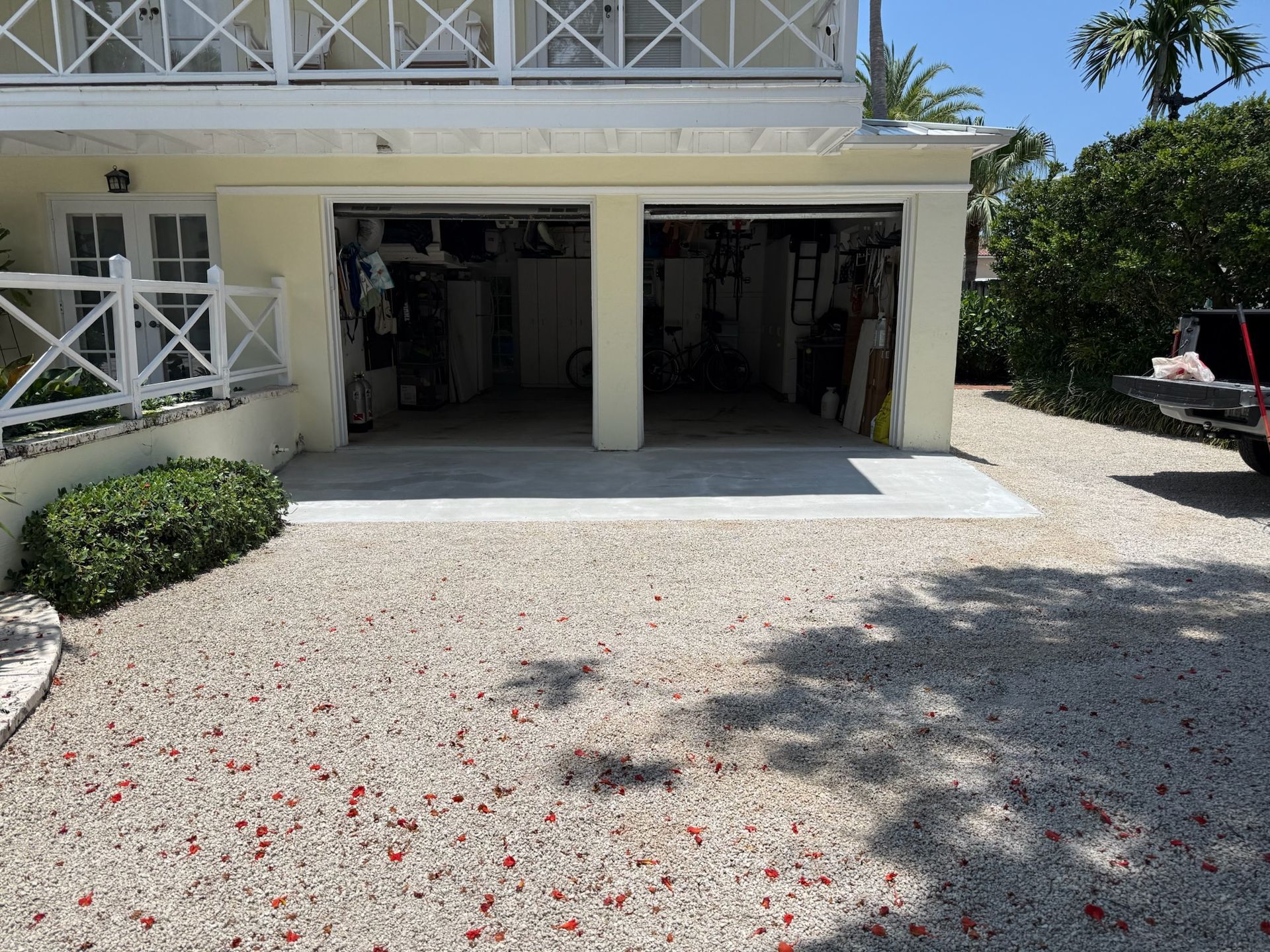
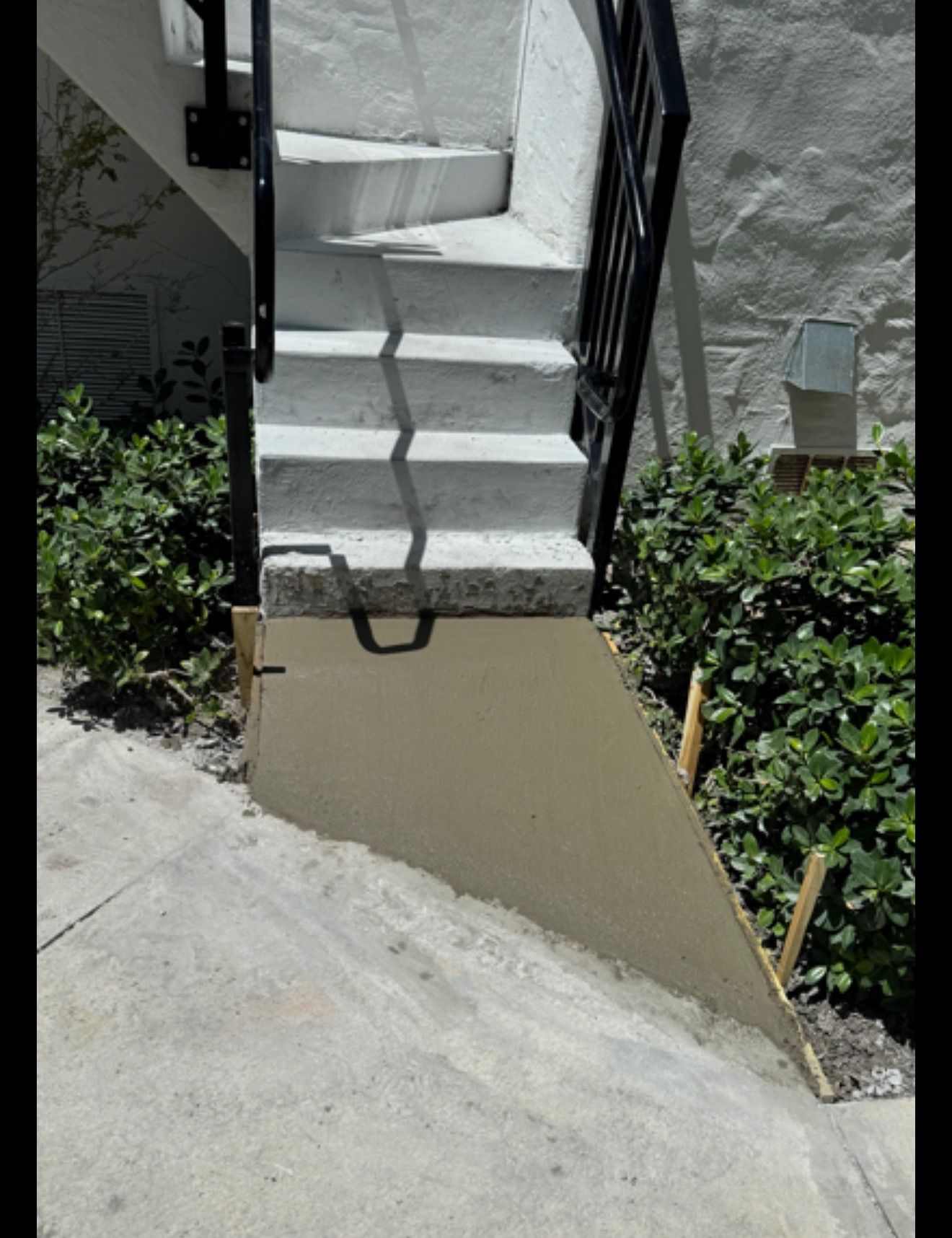
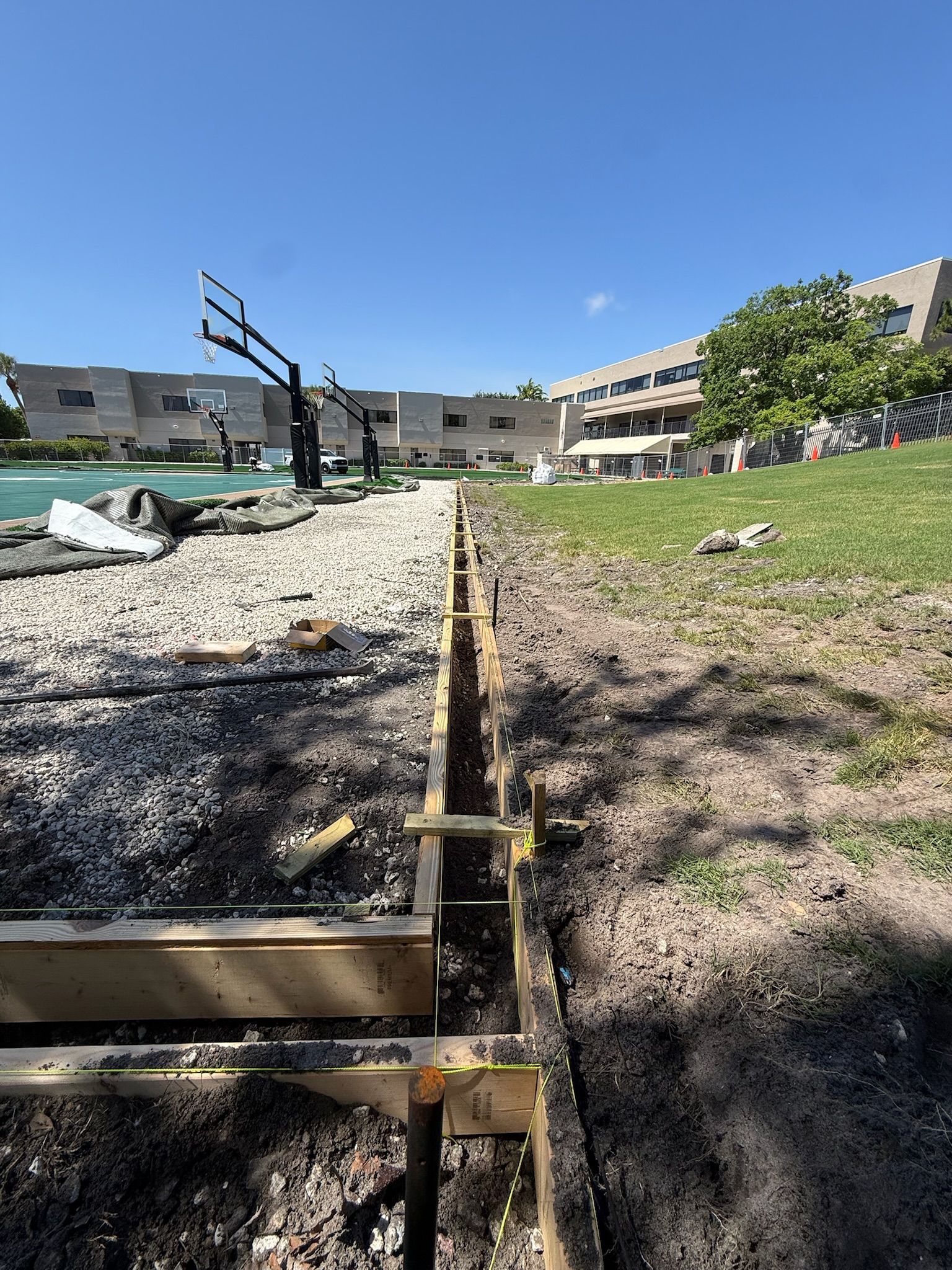
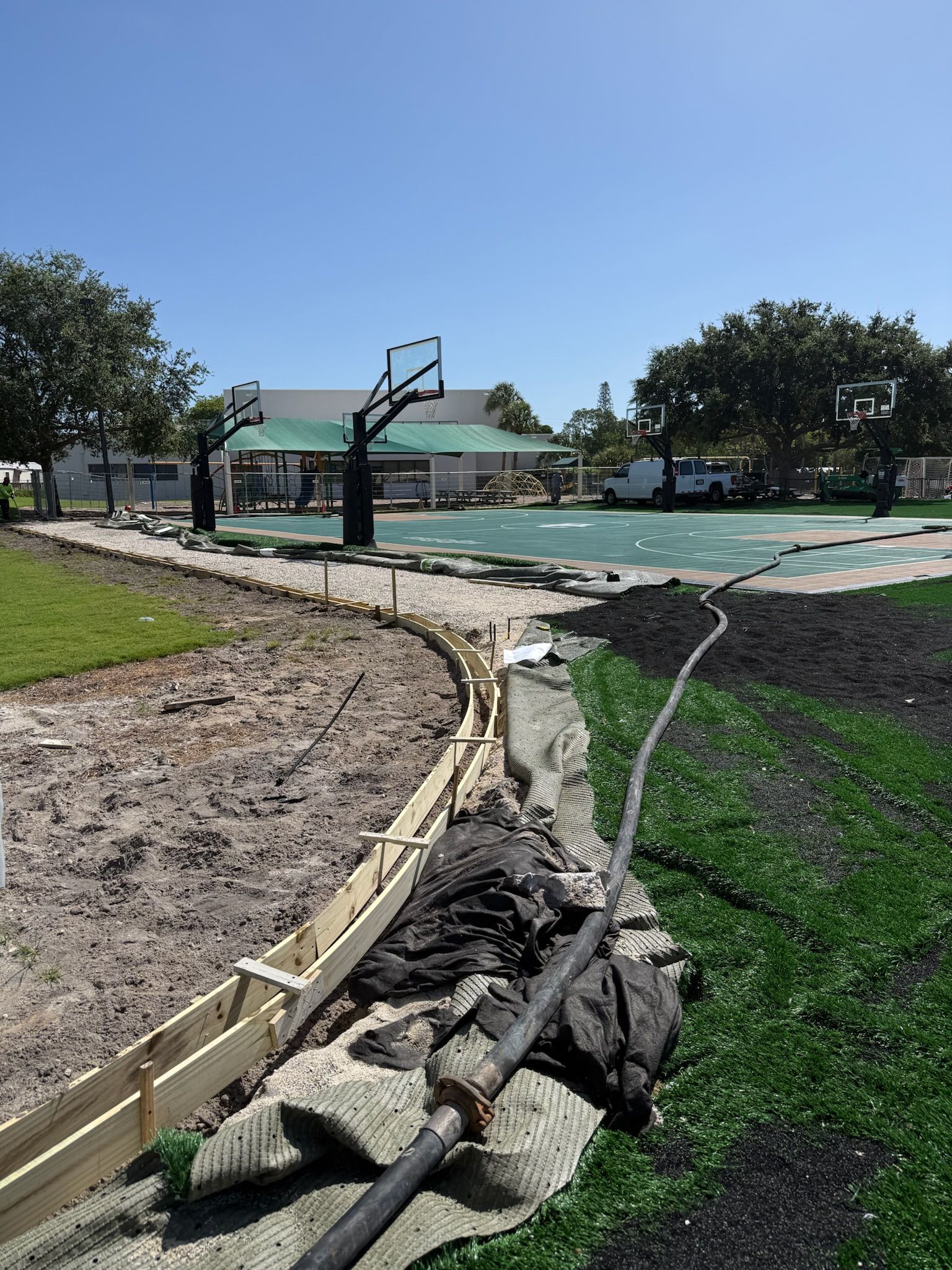
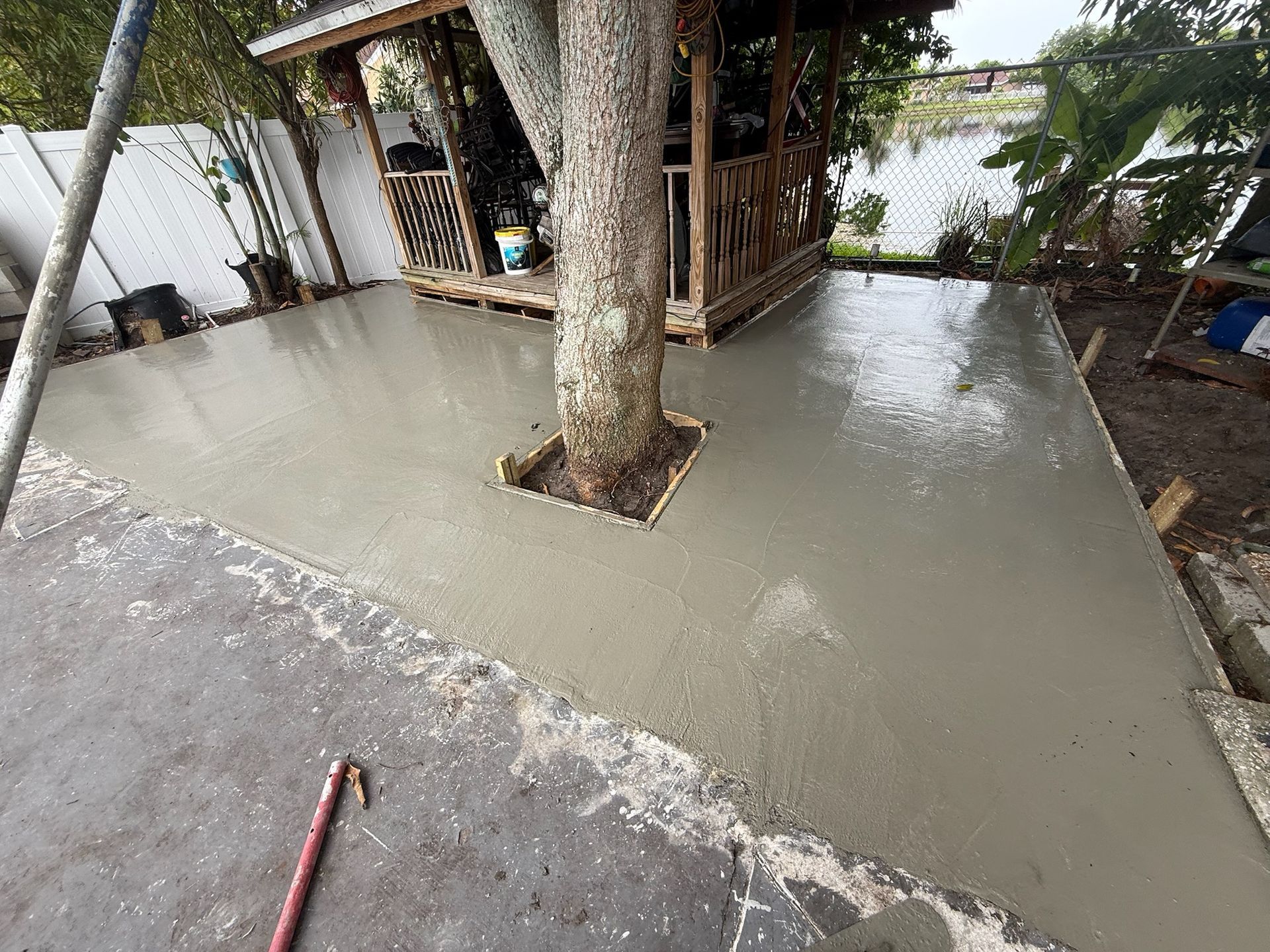
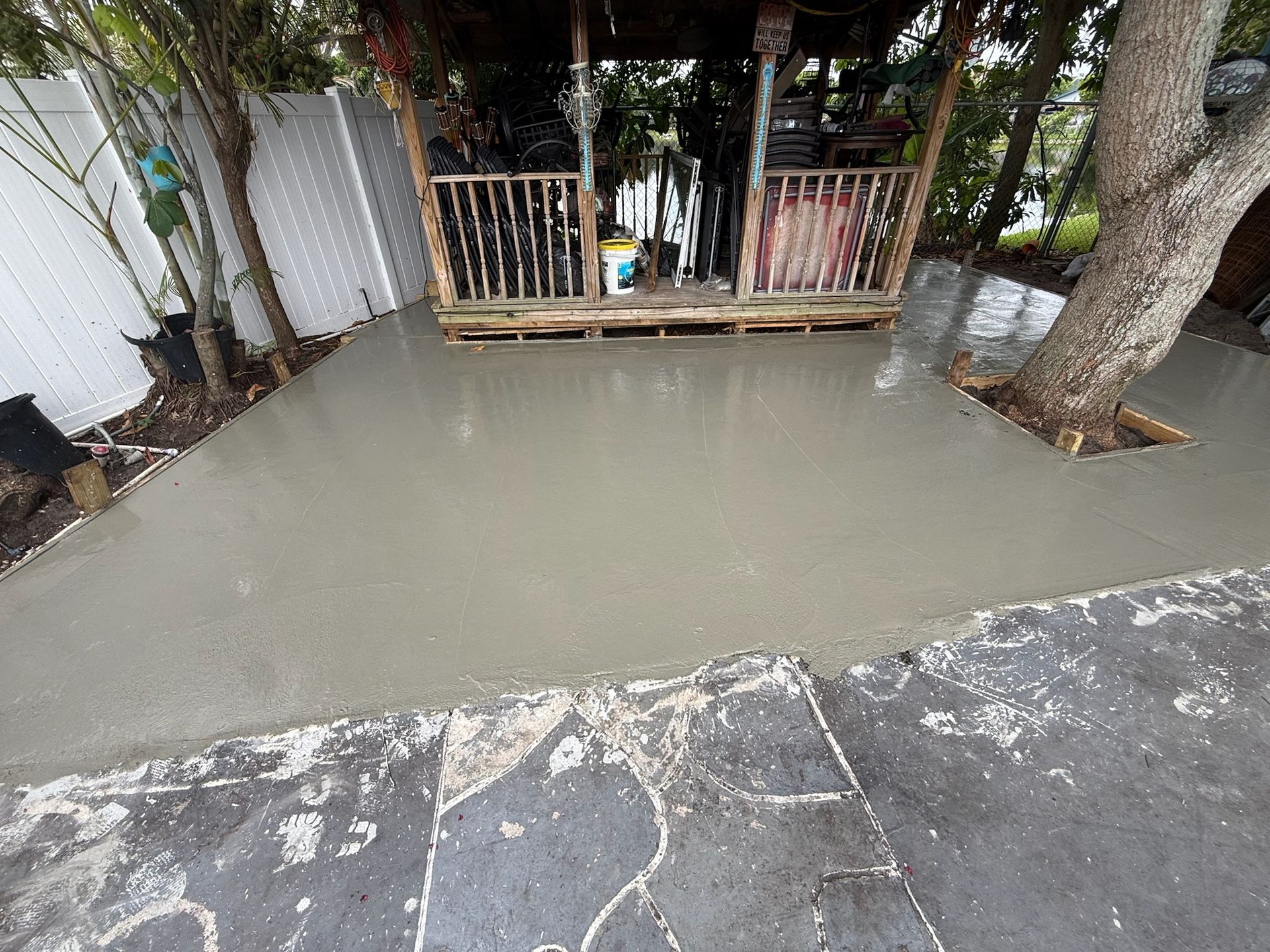
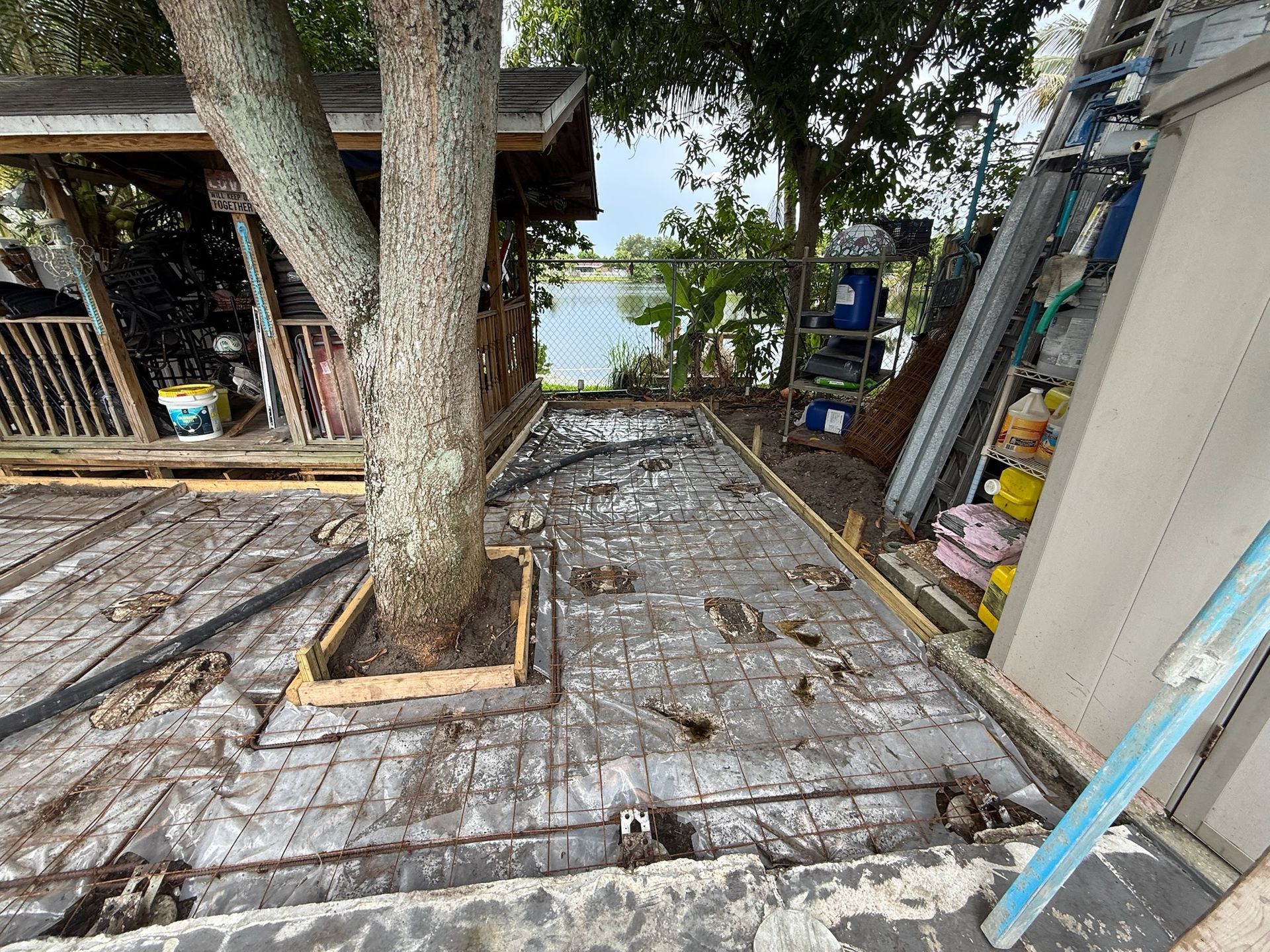
Browse completed land clearing and site preparation work across Miami, Florida and the surrounding South Florida communities. Every site shown was cleared, hauled, and graded by the Stones Throw Concrete team.

Areas We Serve
Stones Throw Concrete clears lots and prepares sites for homeowners, developers, and contractors across Miami-Dade, Broward, and Palm Beach County. Click below to explore our complete service area coverage.
FREQUENTLY ASKED QUESTIONS
Clearing raises questions about cost, timing, permits, and what condition the ground is left in. Below are answers to what property owners and builders ask us most often across Miami, Florida.
What does land clearing include?
A full clearing scope removes everything above and immediately below the surface that would interfere with what comes next. That means cutting and removing brush, undergrowth, palmetto, invasive growth, and small trees, taking out larger trees where approved, pulling stumps and root mass rather than cutting them flush, and hauling all of it off the property. Most projects finish with a rough or final grade so the ground is level and workable. What a specific site needs depends on how overgrown it is and what is being built, and we define that scope with you before quoting.
How long does land clearing take?
A residential lot of a quarter acre with moderate growth is often a one to two day job. An acre of dense growth with mature trees and stumps can take several days, and larger commercial parcels run longer depending on volume and haul distance. Permitting is frequently the longer part of the timeline rather than the work itself, since approvals have to be in hand before machines arrive. Speed on site is one of the things we are known for, but we would rather give you a realistic date including approvals than an optimistic one that ignores them.
Do you remove tree stumps as well?
Yes, and we pull the stump and root mass out rather than grinding it flush and leaving the roots in the ground. The distinction matters. Grinding is quicker and cheaper, and it is fine when the area is becoming lawn or landscaping. If anything is being built on that ground, buried roots decay over the following years and the soil above them settles, which shows up as a dip in a slab, a driveway, or a paved surface. We recommend full removal wherever a structure or hard surface is going in, and we explain the difference before you decide.
What happens to the cleared vegetation and debris?
It leaves in our own trucks as part of the same scope. Some clearing contractors pile material on site and either bill separately for removal later, or leave burning or burial as the property owner's problem. We haul it. That matters practically as well as financially, because buried vegetation decays and creates settlement, and a debris pile left on a lot is both a code issue and an obstruction for whatever trade comes next. The site is left clear rather than clear in one corner and stacked in another.
Can you clear an overgrown lot with a code violation?
Yes, and these are among the more urgent calls we take. Overgrown lot clearing for code compliance usually comes with a deadline attached, whether the property is being cited, prepared for sale, or handled by an estate or an out of state owner. We prioritize these because the cost of delay is a running penalty rather than an inconvenience. Send us the citation or the notice along with the address and we can usually tell you quickly what the work involves and how fast we can be on it.
Do you handle commercial parcel clearing for developers?
Yes. Roughly half our work is commercial, and clearing sits at the very front of a build schedule, which means a delay here pushes every trade behind it. Commercial land clearing differs from residential mainly in coordination. Approvals are more involved, the volume of material leaving the site is larger, and the work usually has to hand over at a defined grade so surveying, footings, or utilities can begin immediately. We work with developers and general contractors on that basis and agree the handover condition before we start.
What is the difference between land clearing and site preparation?
Land clearing is the removal stage. It takes off vegetation, stumps, debris, and anything else sitting on or just below the surface. Site preparation is the broader process of getting ground ready to build on, which includes the clearing but also excavation, cut and fill, grading to a required elevation, and compaction. Most projects need both, and the reason we group them on one page is that they run as a continuous sequence rather than two separate jobs. A cleared lot is not a buildable site until the ground beneath it has been shaped and compacted.
Can you clear around trees I want to keep?
Yes, and it is worth telling us early because it changes how the work is sequenced. Selective clearing means working with smaller equipment in the protected areas and taking more care about where machines travel, since compaction over a root zone can damage a tree even when nothing touches the trunk. We mark what stays during the site walk and set protection before anything starts. This also matters for permitting, because trees you intend to keep may affect what approvals your project requires.
Do you grade the site after clearing?
Yes, and clearing that stops before grading leaves you with an unfinished site. Once the growth and stumps are out, the ground is usually uneven, holes are left where root balls came up, and the surface will not drain properly. We grade and compact the cleared area to whatever finish your project requires, which might be a rough grade ready for the next trade, or a level compacted pad ready for footings or forms. We agree that handover condition with you before the work starts rather than after.
Can you clear land with limited access?
Usually, though the method and the price change. Landlocked lots, properties behind existing structures, narrow side access, and sites with gates or overhead lines all restrict what equipment can get in. Compact machines reach most of these, and where nothing can, some clearing is done by hand, which takes considerably longer. Access also affects haul off, since material still has to leave the property regardless of how it was cut. Alan checks access during the site walk because it affects the number more than almost anything else.
What time of year is best for land clearing in South Florida?
The dry season, roughly November through April, gives the most predictable conditions. Ground is firmer, equipment moves more easily without rutting the site, and the work is less likely to be interrupted. Clearing during the wet season is entirely possible and we do it regularly, but saturated ground makes machine access harder, increases site damage, and complicates any compaction that follows. If your timeline is flexible, the dry season is the easier window. If it is not, we work around the weather rather than waiting for it.
Do you handle the excavation and concrete after clearing?
Yes, and this is the main reason clients bring us in rather than hiring a clearing contractor and then starting over with someone else. We clear the lot, excavate and grade it, and pour the concrete, all with the same crews under one contract. Each handover between separate companies is a point where responsibility gets blurred and schedules slip. With one company carrying the site from overgrown ground to finished slab, there is no gap. We are equally happy to handle the clearing alone if the rest of your team is already in place.