EXCAVATION AND GRADING CONTRACTOR IN MIAMI, FLORIDA
Stones Throw Concrete handles foundation digs, lot grading, trenching, and drainage work across Miami-Dade, Broward, and Palm Beach County. Company owned equipment, company run crews, and one point of contact on site.
Professional Installation Practices
High-Quality Materials
Licensed & Insured in Florida
EXCAVATION SERVICES FOR BUILDERS AND PROPERTY OWNERS
Nothing built on a site performs better than the ground under it. Excavation and grading decide where water goes, how a foundation sits, and whether the next trade can start on schedule.
We handle foundation digs, lot grading, trenching, cut and fill, and haul off across Miami. General contractors, developers, and property owners work with us as their excavation contractor on projects at both ends of the scale.
In South Florida the land is flat, the water table is high, and the rain arrives in volume. Grading here is a water problem before it is anything else, and we approach every site that way.
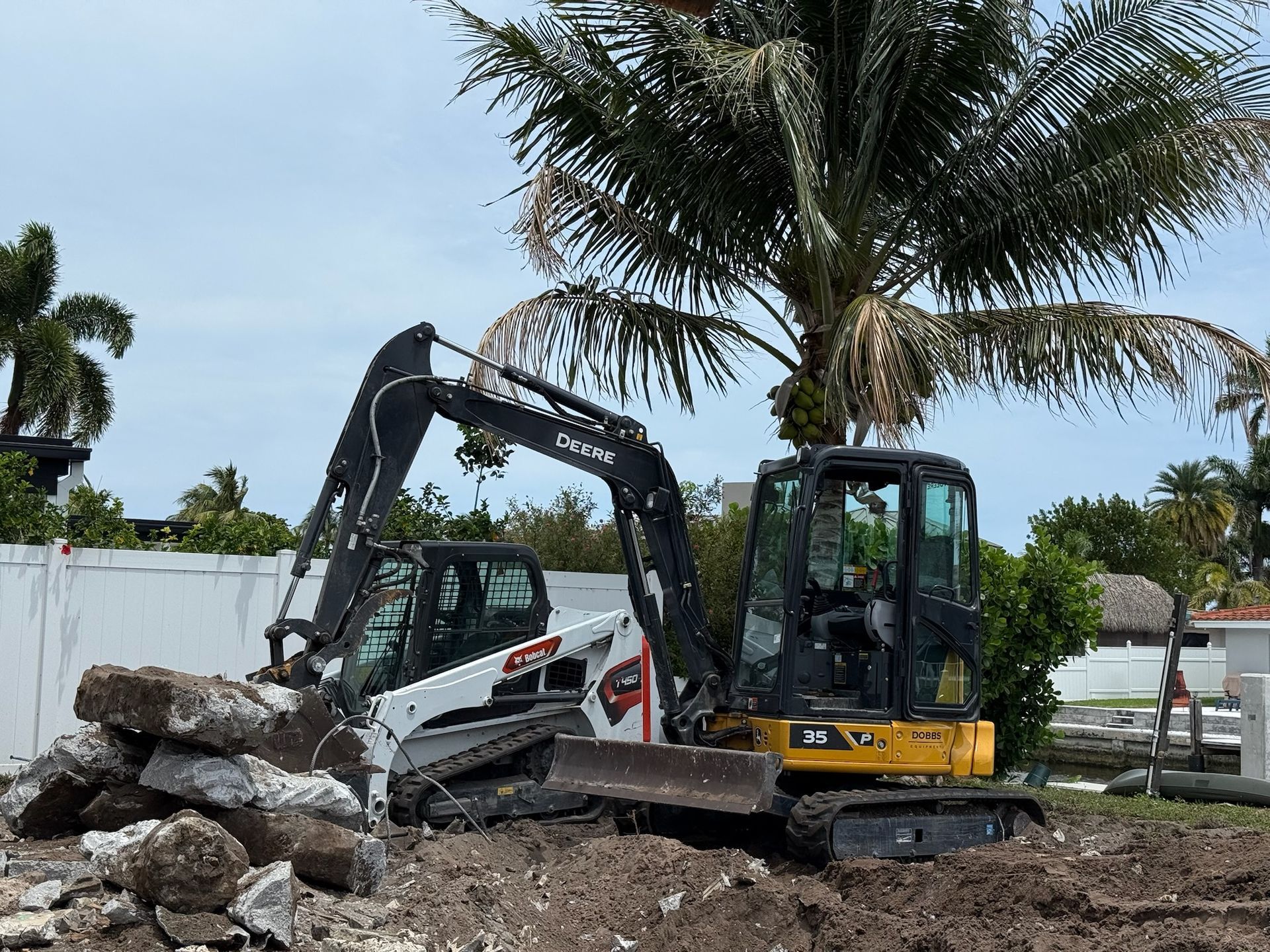
EXCAVATION AND GRADING SCOPES WE HANDLE
Earthwork covers a wide range of work, and most sites need more than one scope. These are the five we are asked for most often by builders, developers, and property owners across South Florida.
Foundation Excavation
Digging out and shaping the area a slab or footing will sit in. Cut to the depth and dimensions your plans call for.
Lot and Site Grading
Shaping a lot so it drains correctly and sits at the right elevation. Residential yards and commercial parcels alike.
Utility Trenching
Trenches cut for water, sewer, power, and irrigation runs. Dug to line and depth, then backfilled and compacted.
Cut, Fill, and Haul Off
Moving soil where it needs to go. We haul away what is excess and bring in fill where the grade has to come up.
Rough and Finish Grading
Rough grading opens the site up. Finish grading sets the final surface so paving, sod, or concrete can go straight down.
OUR DRAINAGE AND WATER MANAGEMENT IN SOUTH FLORIDA
Grading in this region is not about making ground look level. It is about deciding where several inches of rain will go before it decides for itself, and that choice gets made long before the first machine reaches the site.
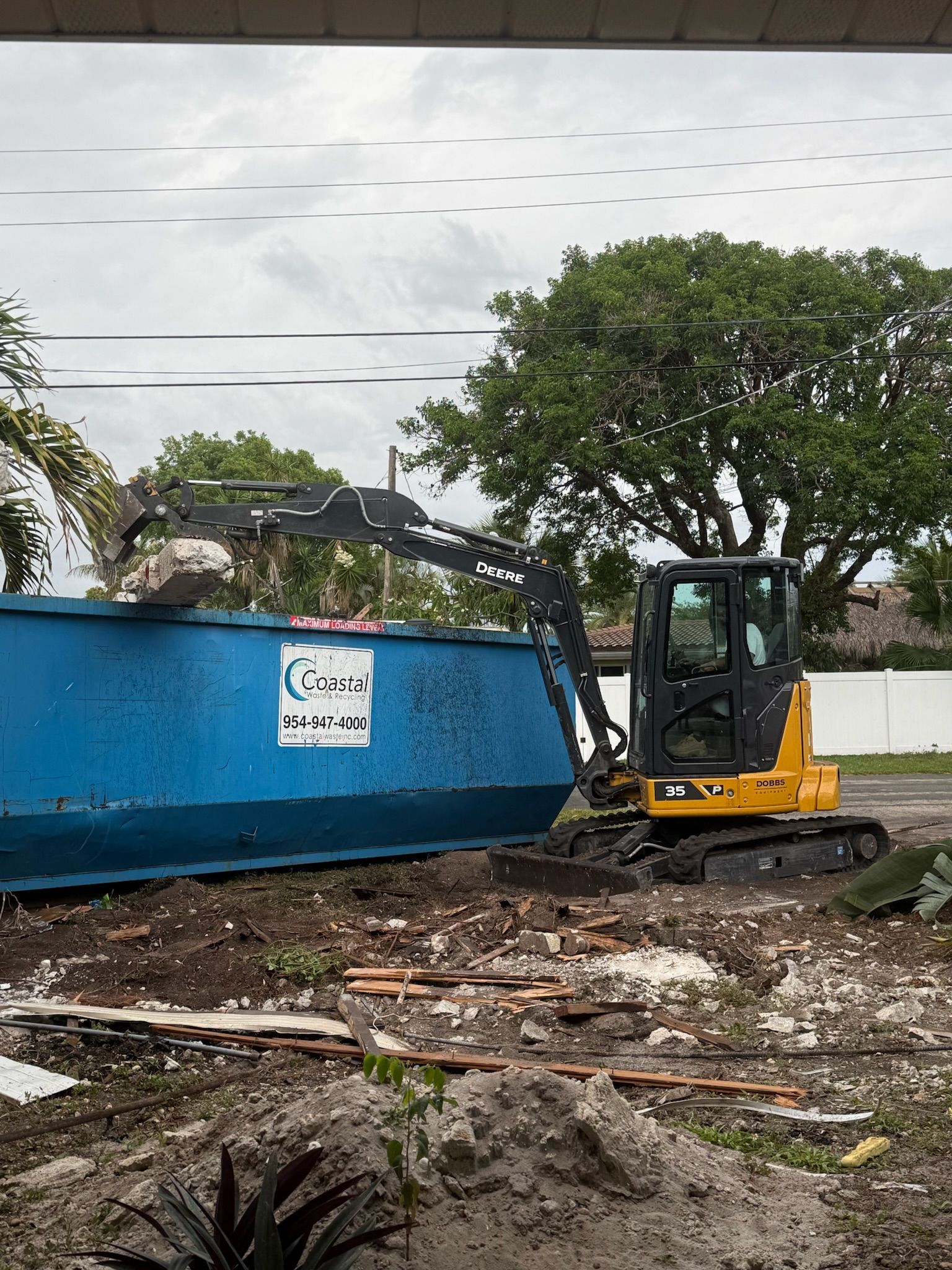
Flat Land and Low Elevation
With almost no natural fall to work with, every inch of slope has to be placed on purpose.
A High Water Table
Water has less room to soak away here, so surface drainage carries more of the load.
Slope Away From Structures
Grade falls away from the building on every side. Water toward a foundation is costly.
Swales and Discharge Points
Water needs somewhere to arrive, not just somewhere to leave.
Compaction in Wet Conditions
Saturated fill does not compact the way dry material does.
OUR EXCAVATION AND GRADING PROCESS
Every site job runs through the same sequence, whether it is a single foundation dig or a full lot regrade. Builders get a schedule they can plan around and property owners always know what stage the work is in.
Step 1
Scope and Plan Review
We go through your plans, elevations, and timeline, or walk the property if there are no drawings to work from.
Step 2
Site Assessment
We review soil, existing grade, drainage, access, and where equipment can move before anything is priced.
Step 3
Estimate and Schedule
You receive a detailed estimate covering the scope, the soil volume, haul off, and fill, with a start date attached.
Step 4
Utility Location and Excavation
Underground lines are located before any digging starts, then we excavate, cut, and move soil to the required depths.
Step 5
Grading, Compaction, and Handover
The site is graded to final elevation, compacted, and walked with you or your contractor before the next trade arrives.
WHY PROFESSIONAL EXCAVATION AND GRADING MATTERS IN SOUTH FLORIDA
Earthwork is the one stage of a project that gets buried. Once concrete or sod covers it, correcting a mistake means taking all of that back out.
Poor grading shows up as water against a foundation, a yard that floods every wet season, or a slab that settles unevenly two years later.
We own our equipment and run our own crews, so the same excavation contractor who shapes your site is the one pouring the concrete on it. Our owner is on site throughout, and most estimates are returned within two days.
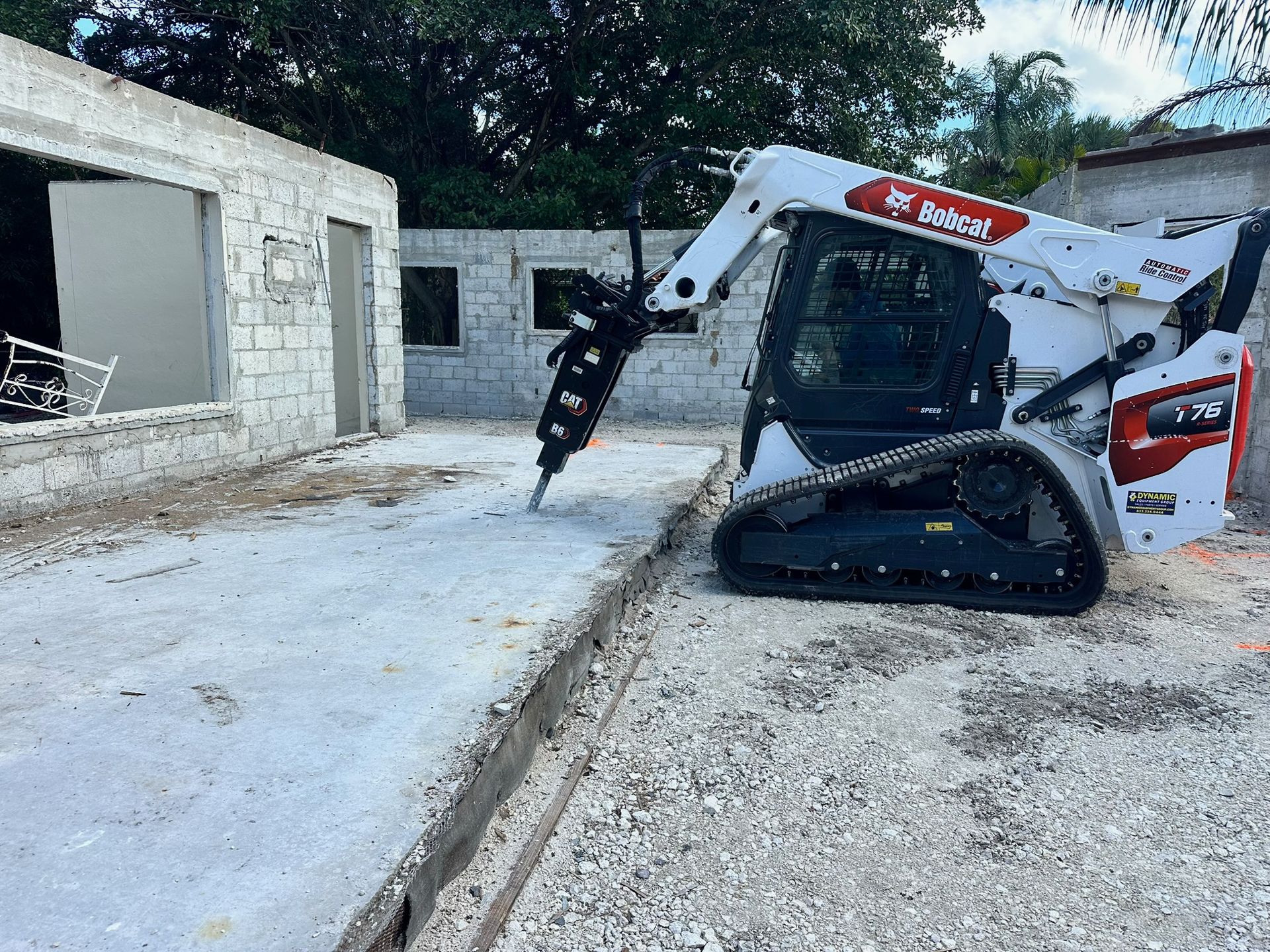
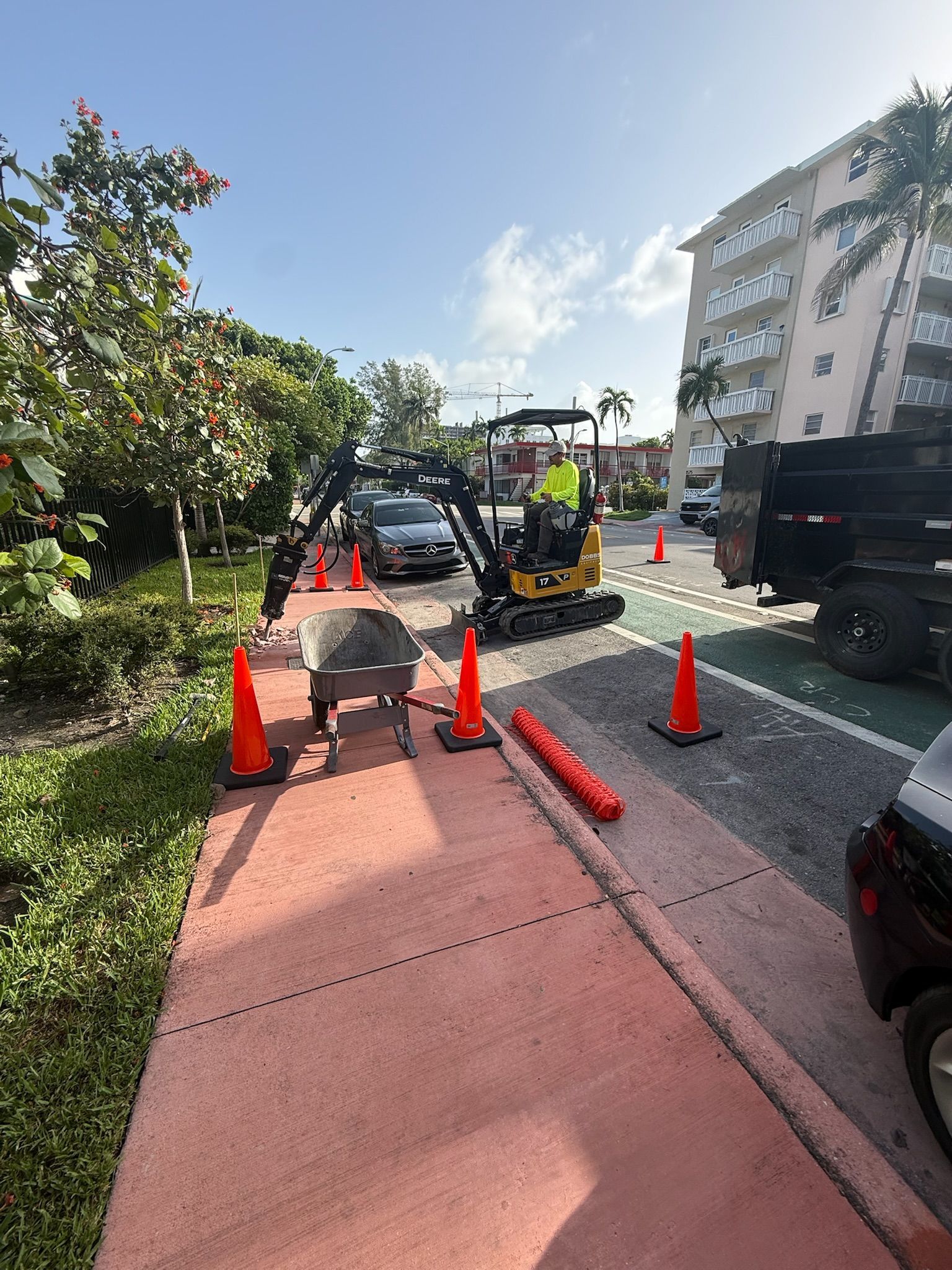
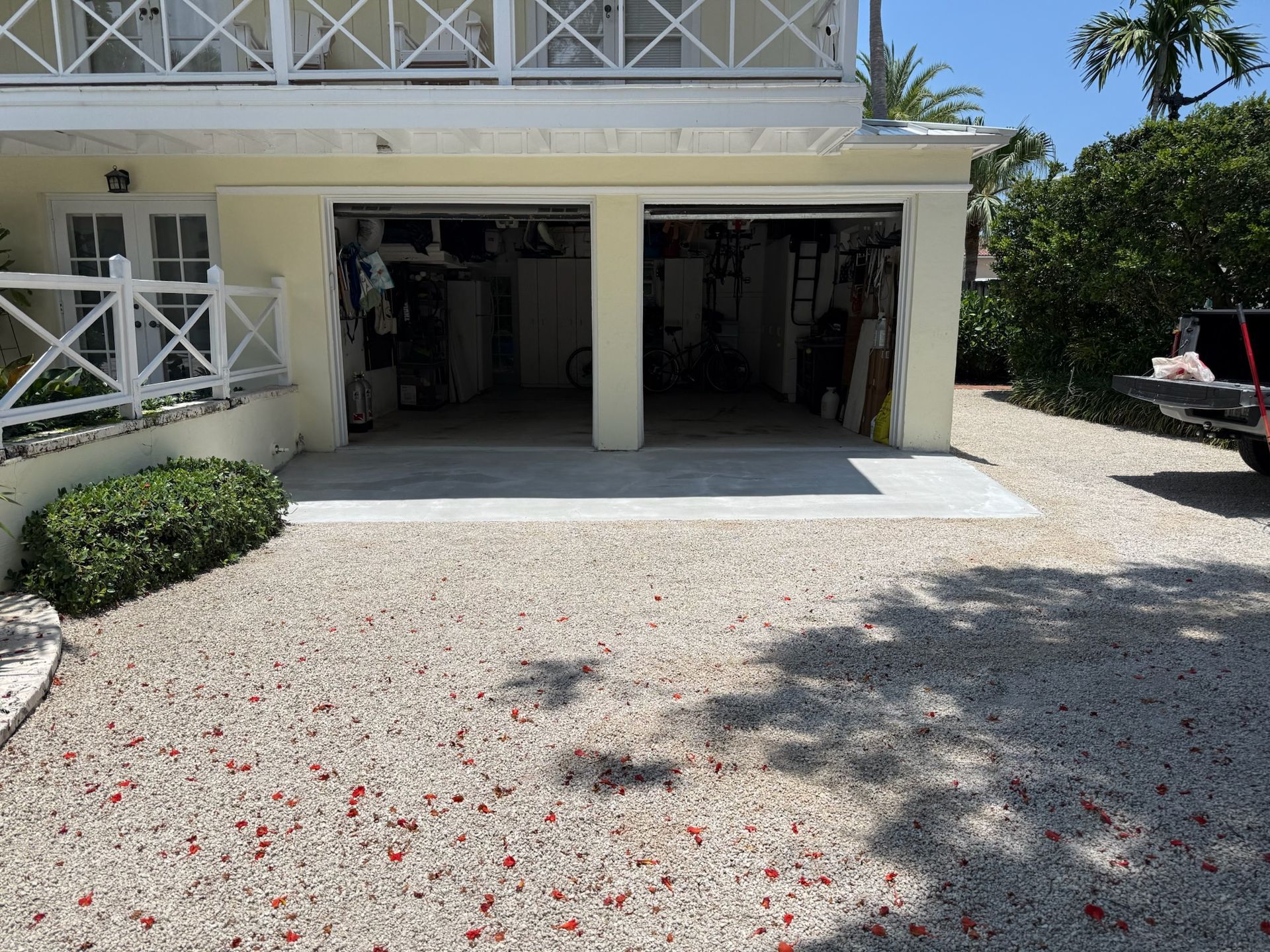
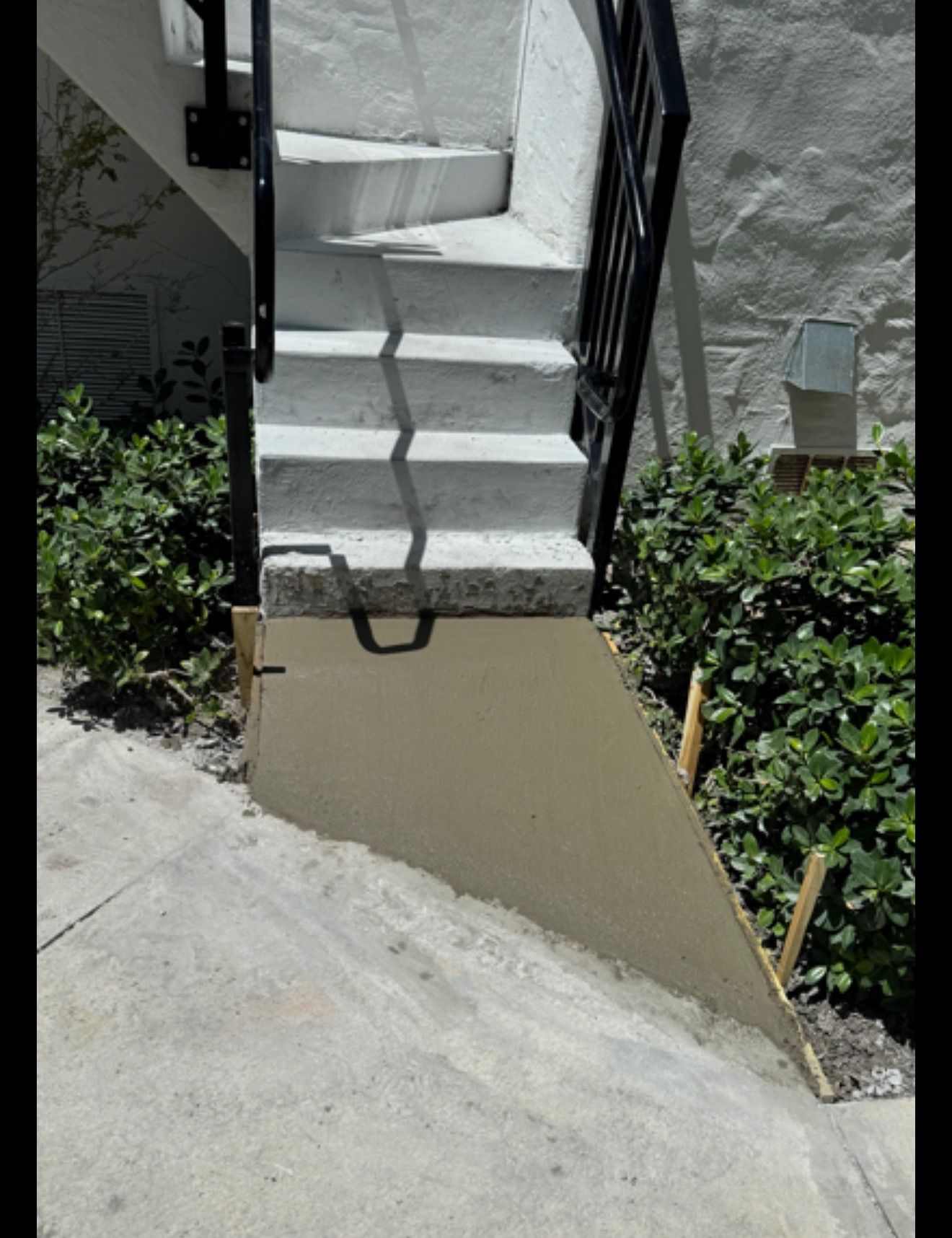
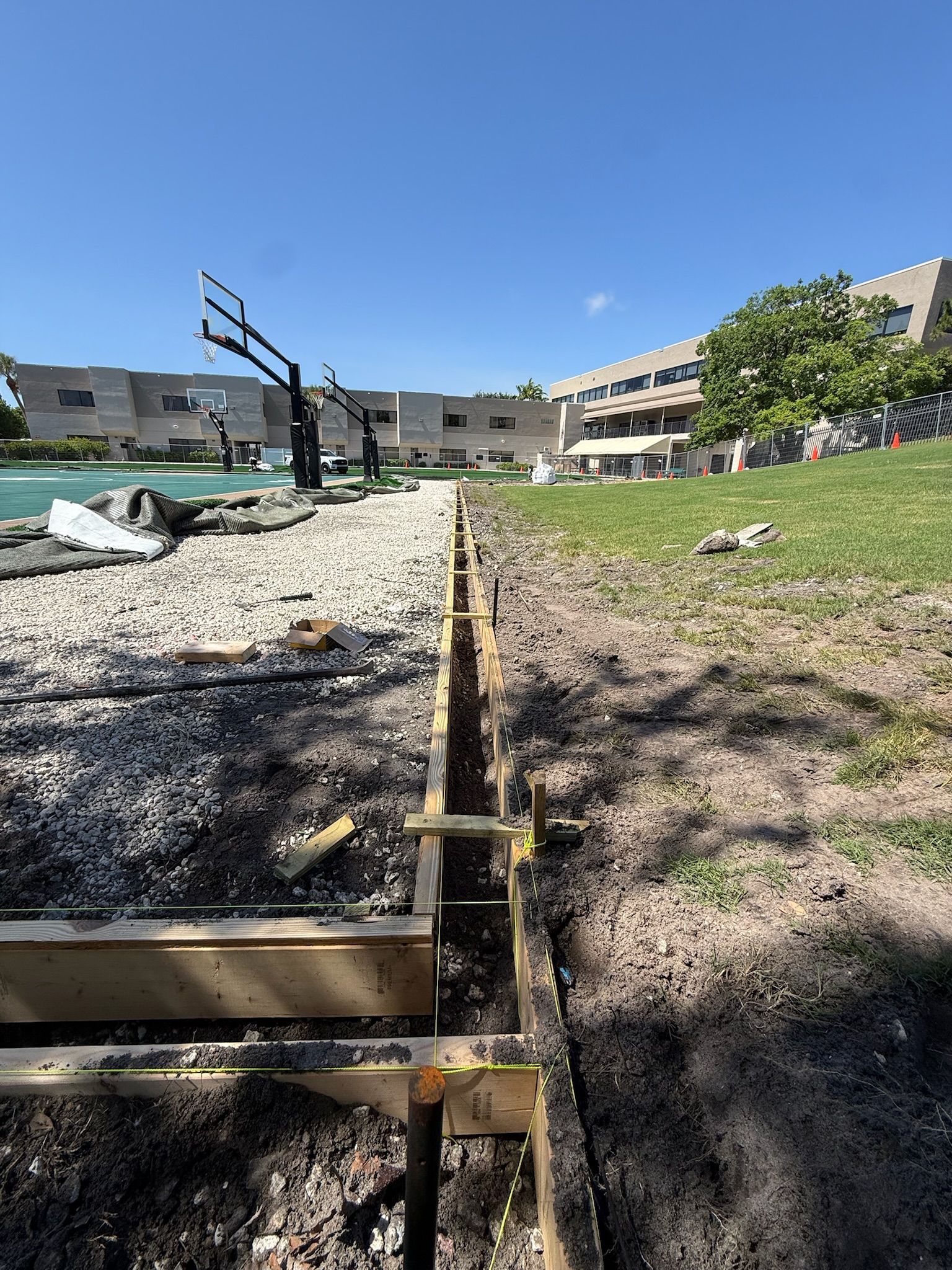
Explore Our Recent Projects
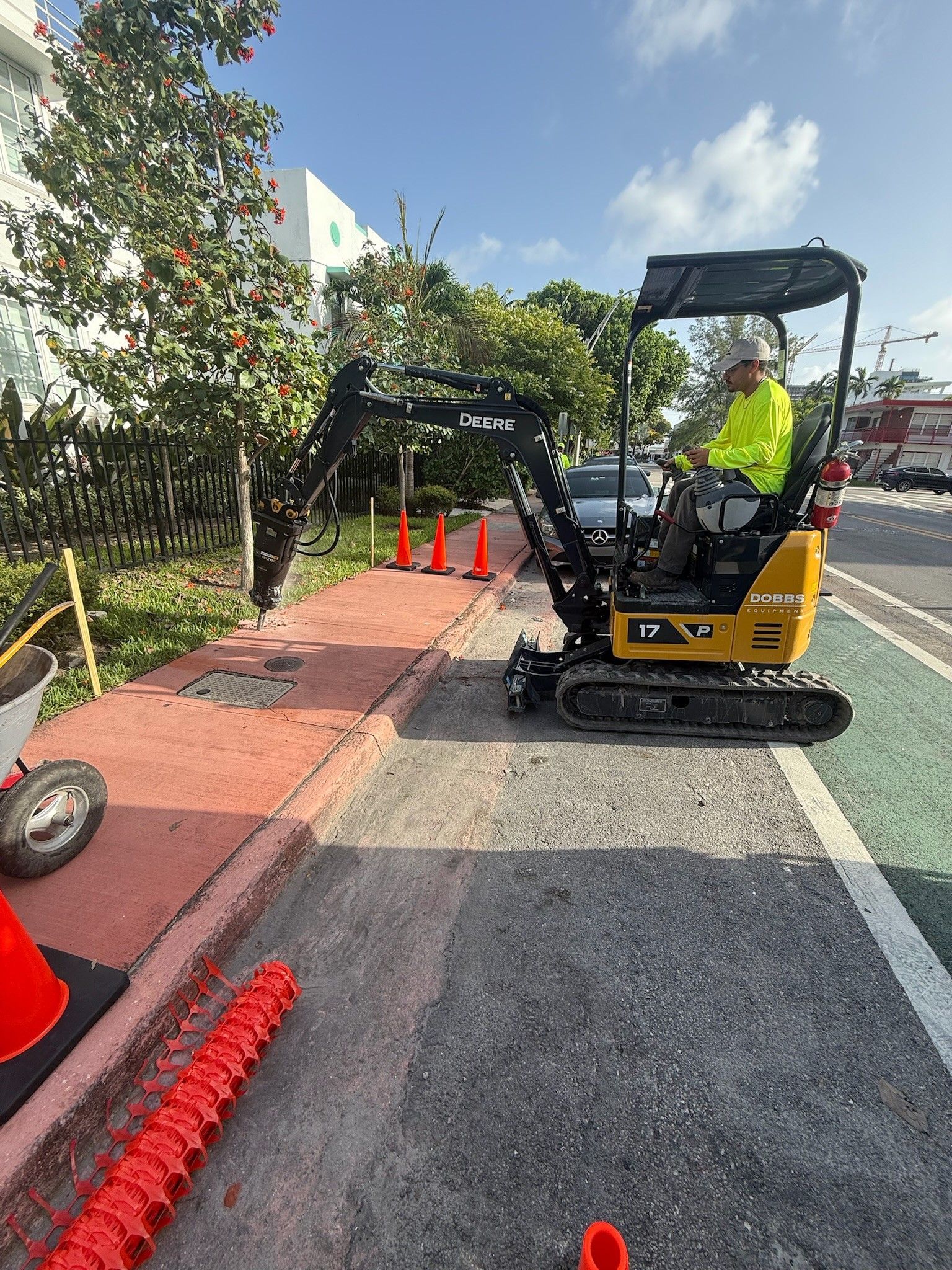
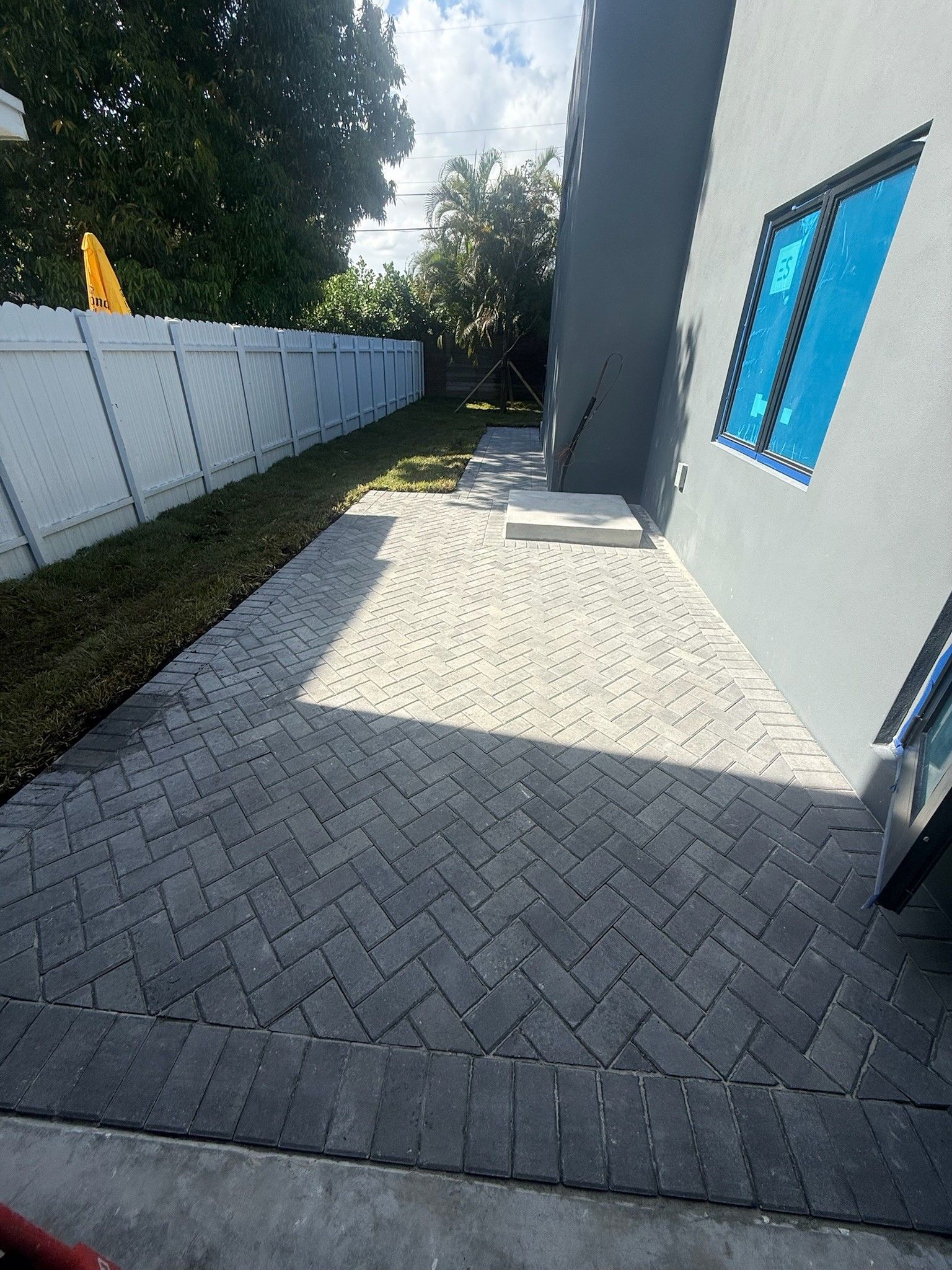
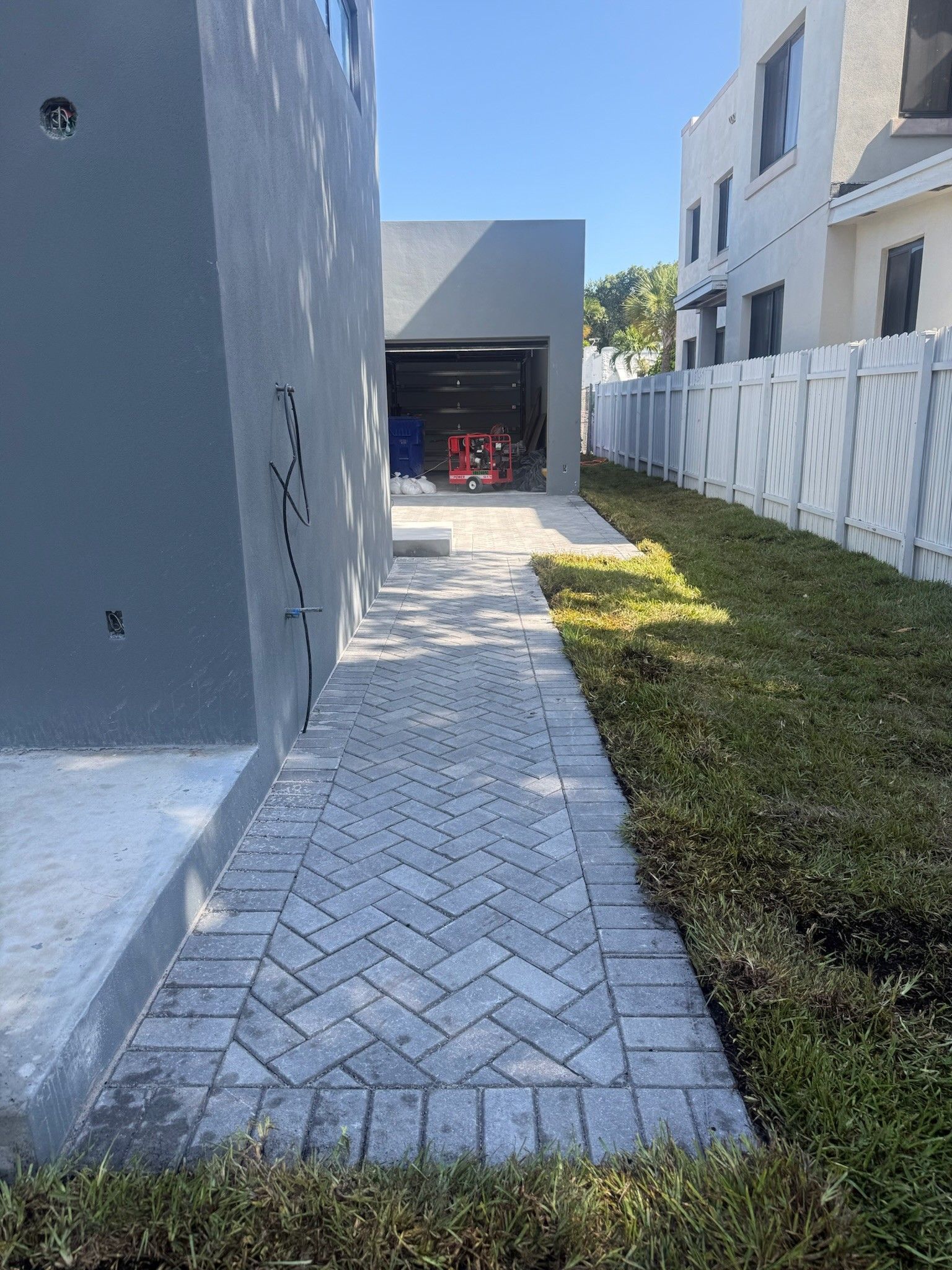
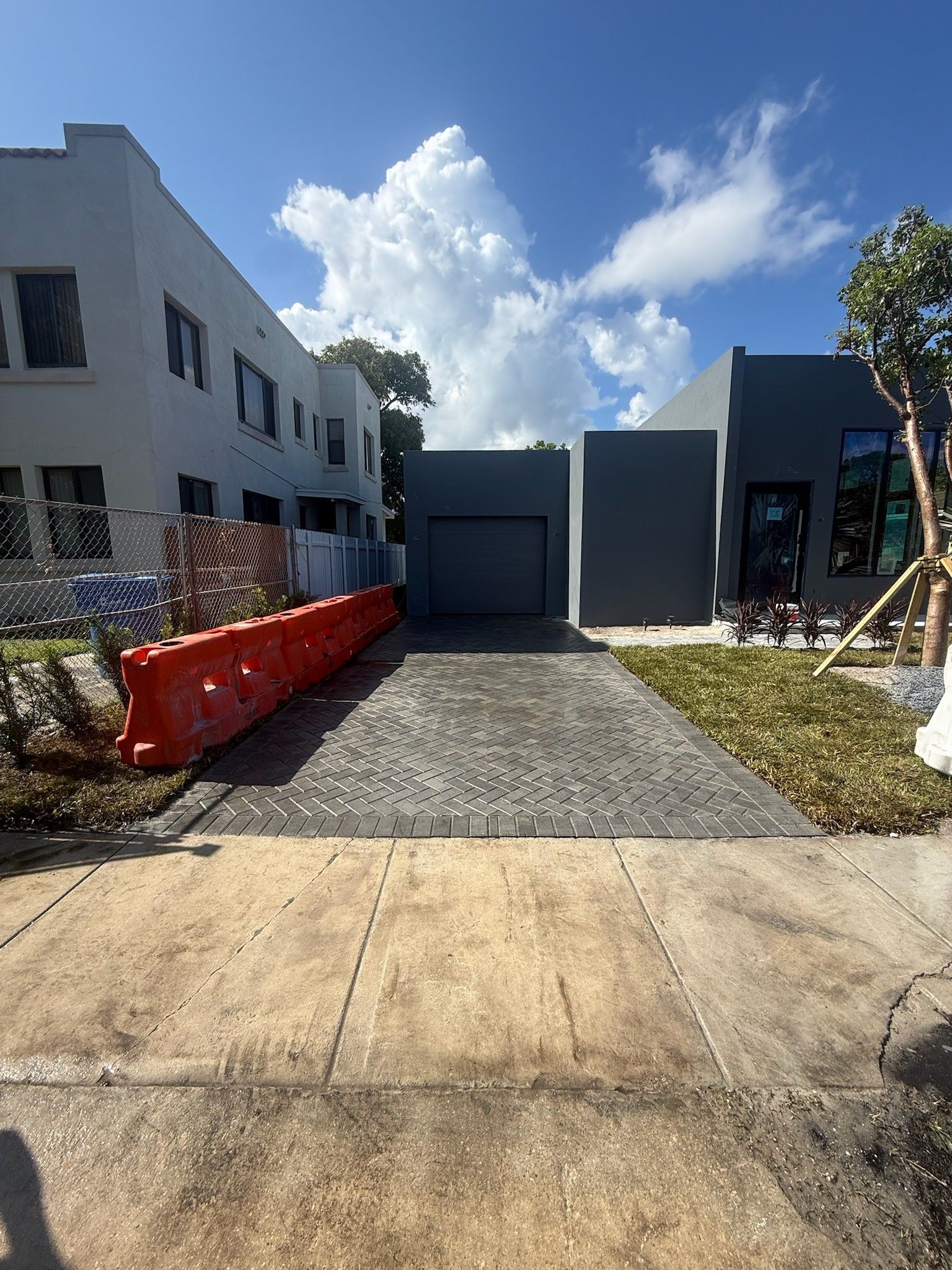
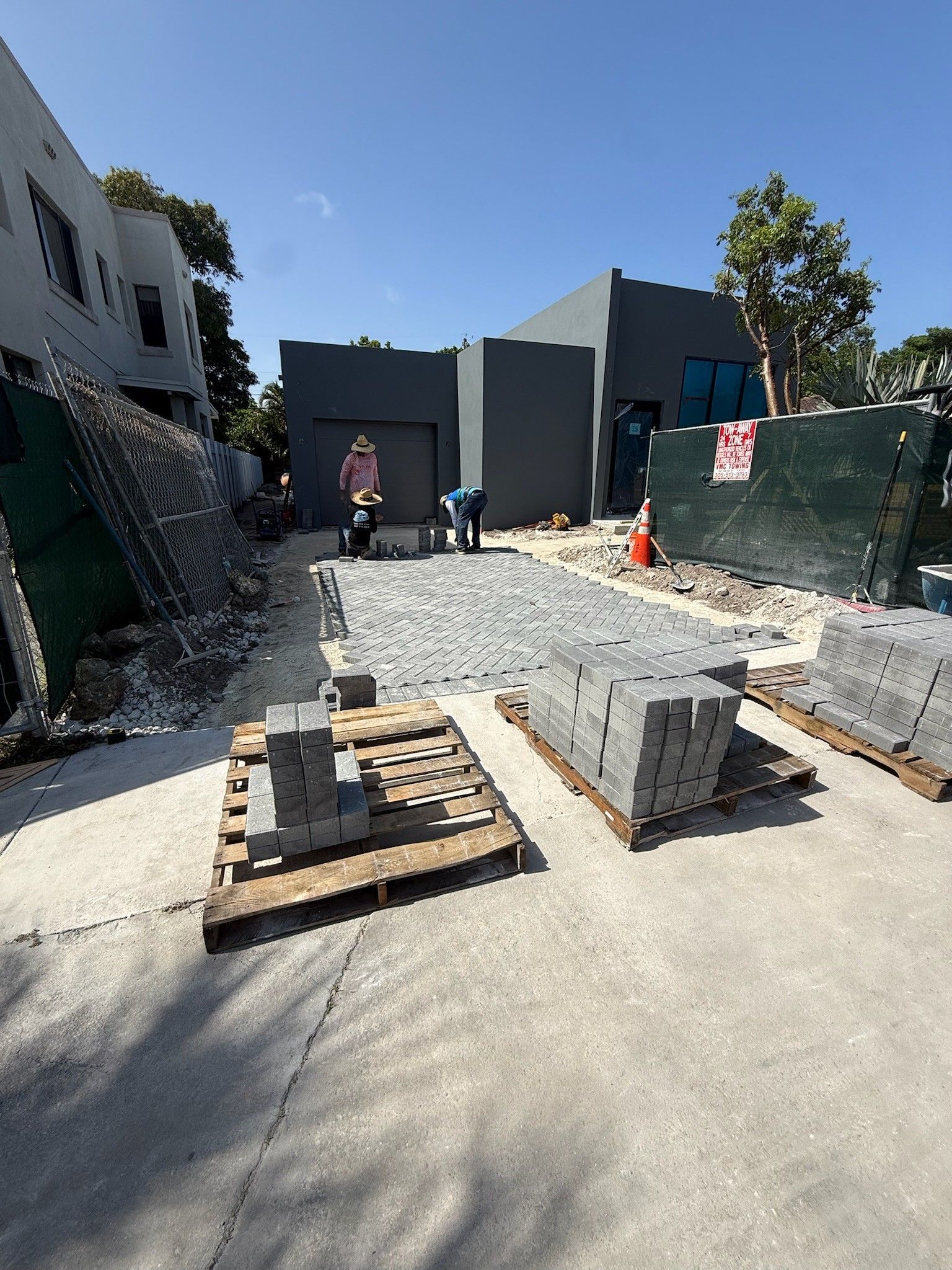
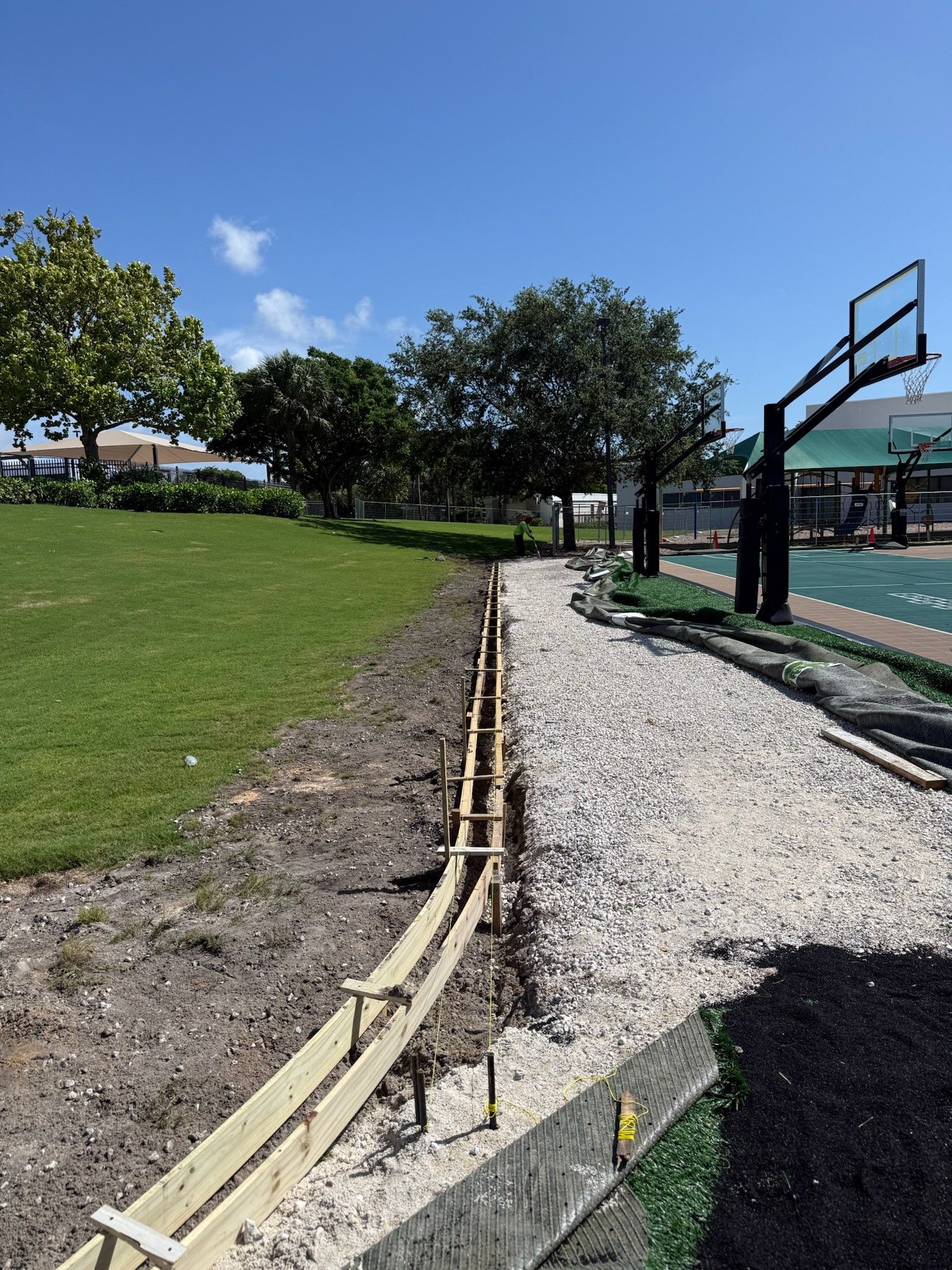
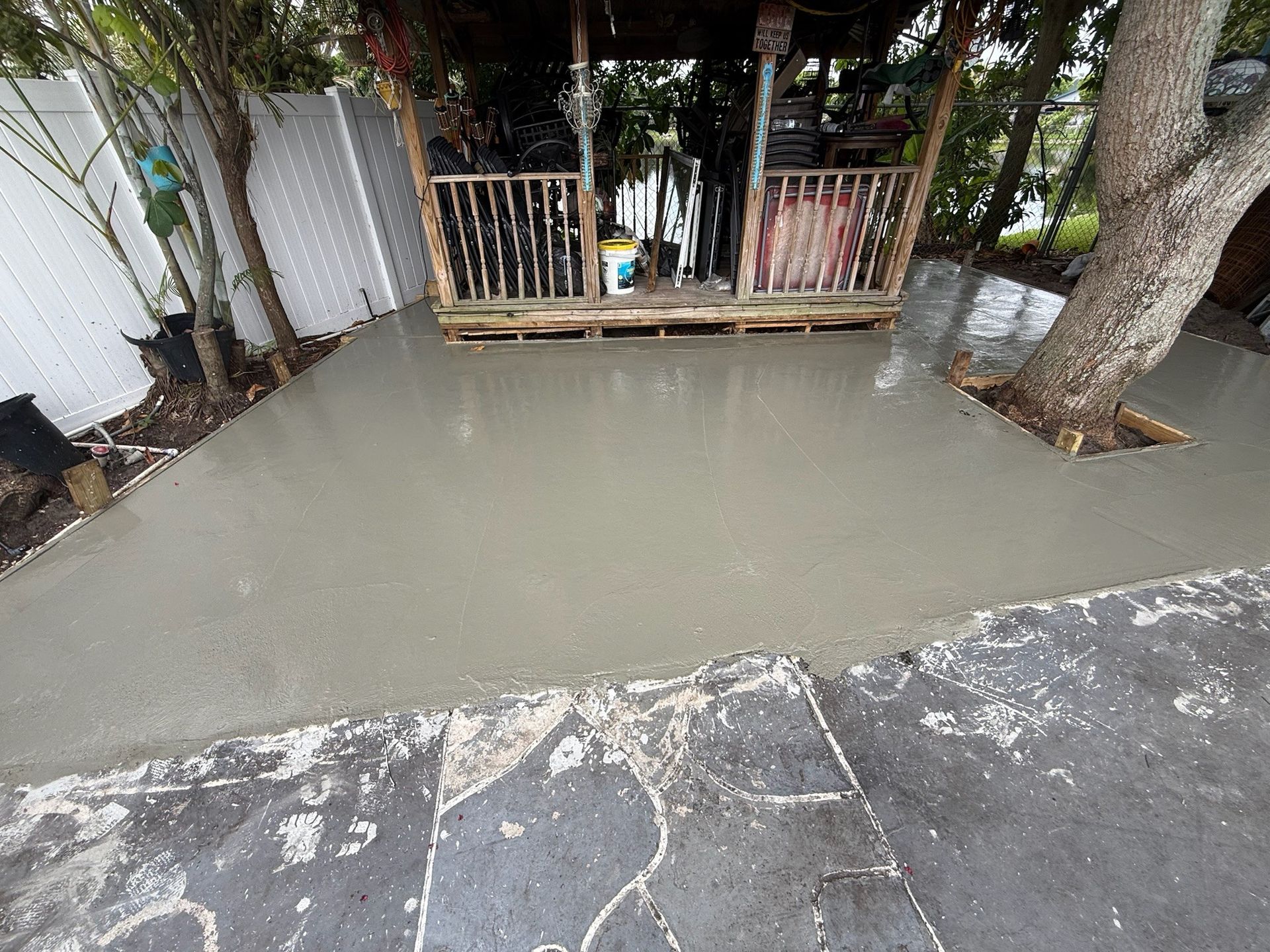
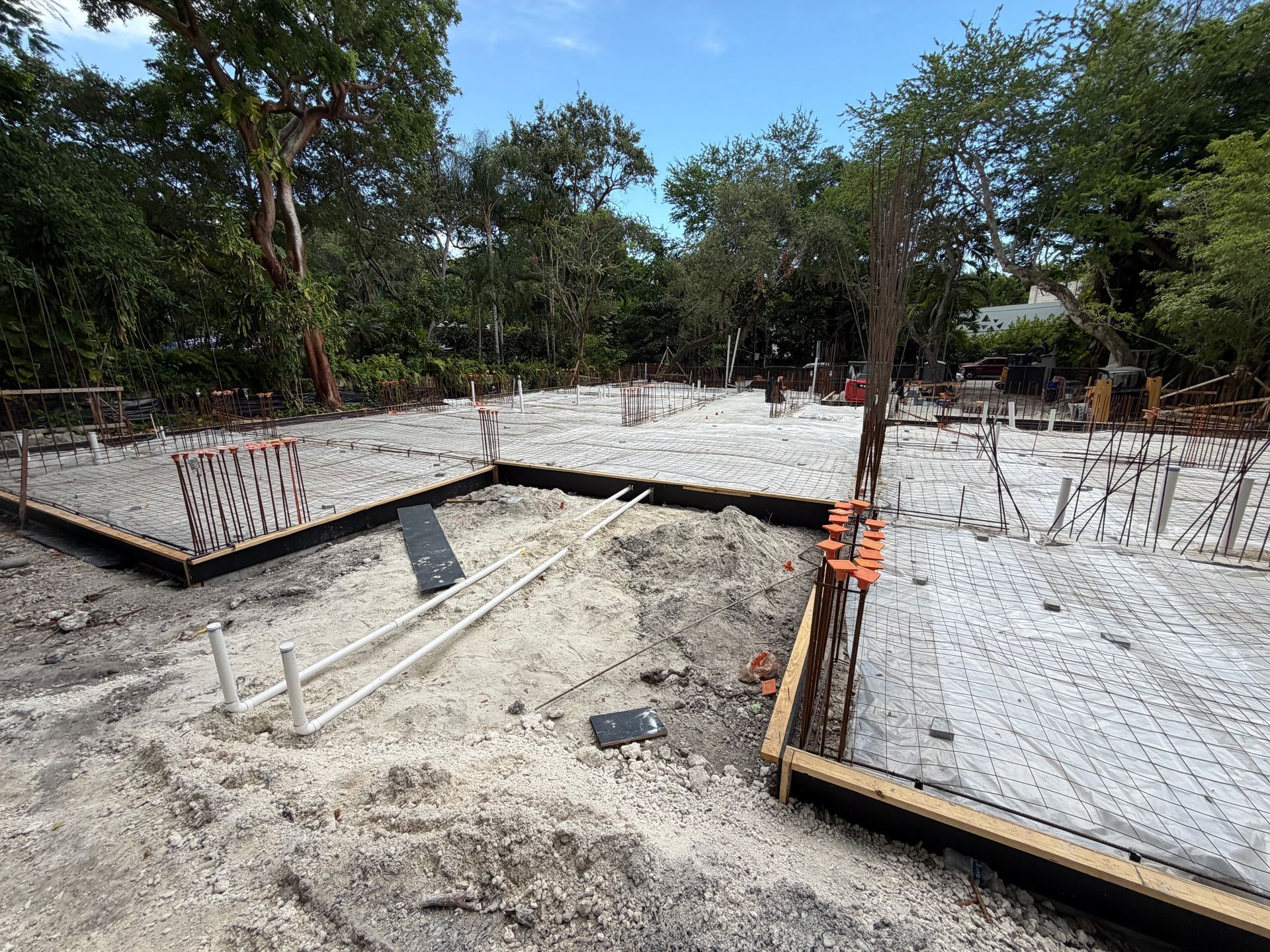
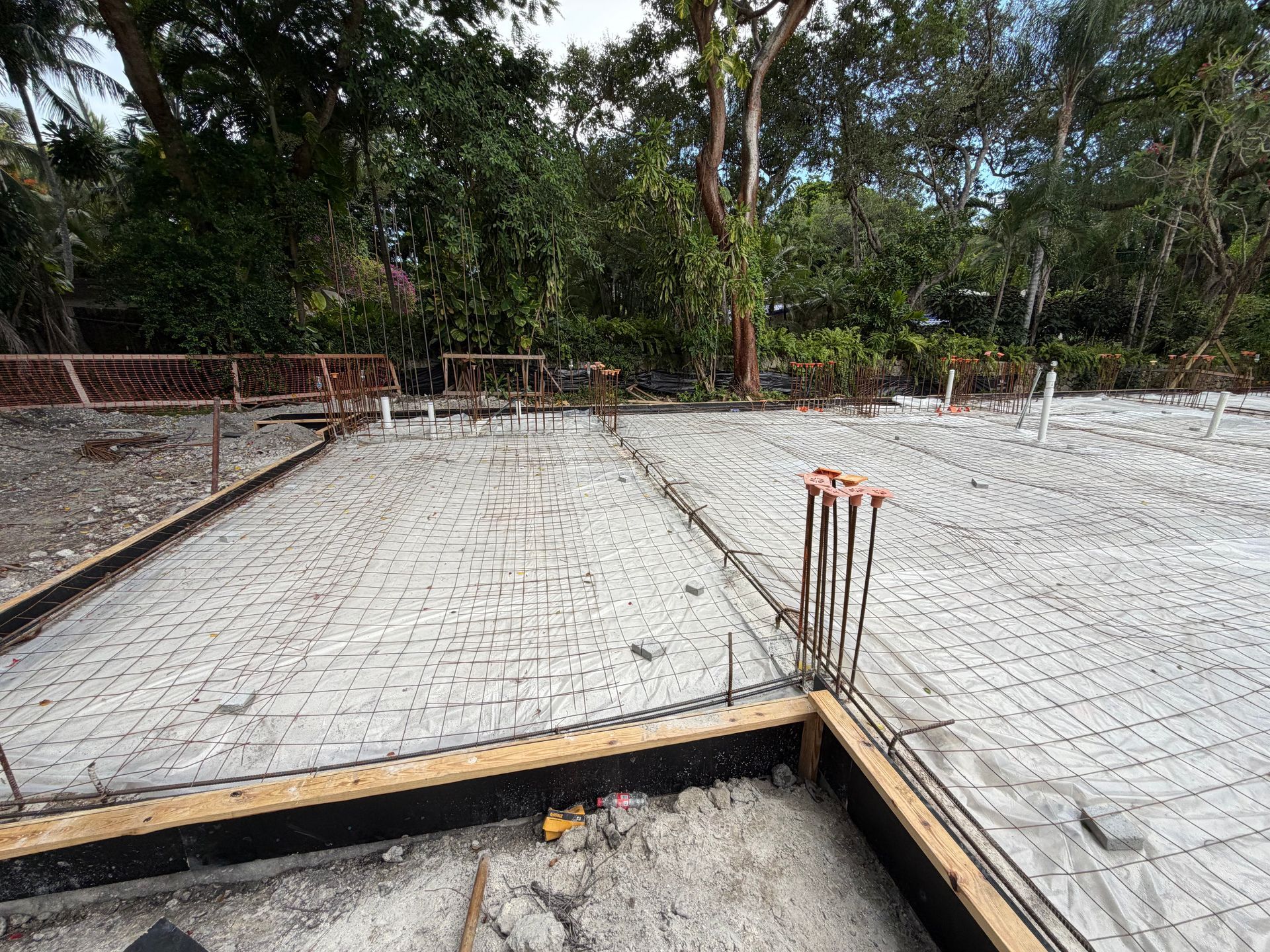
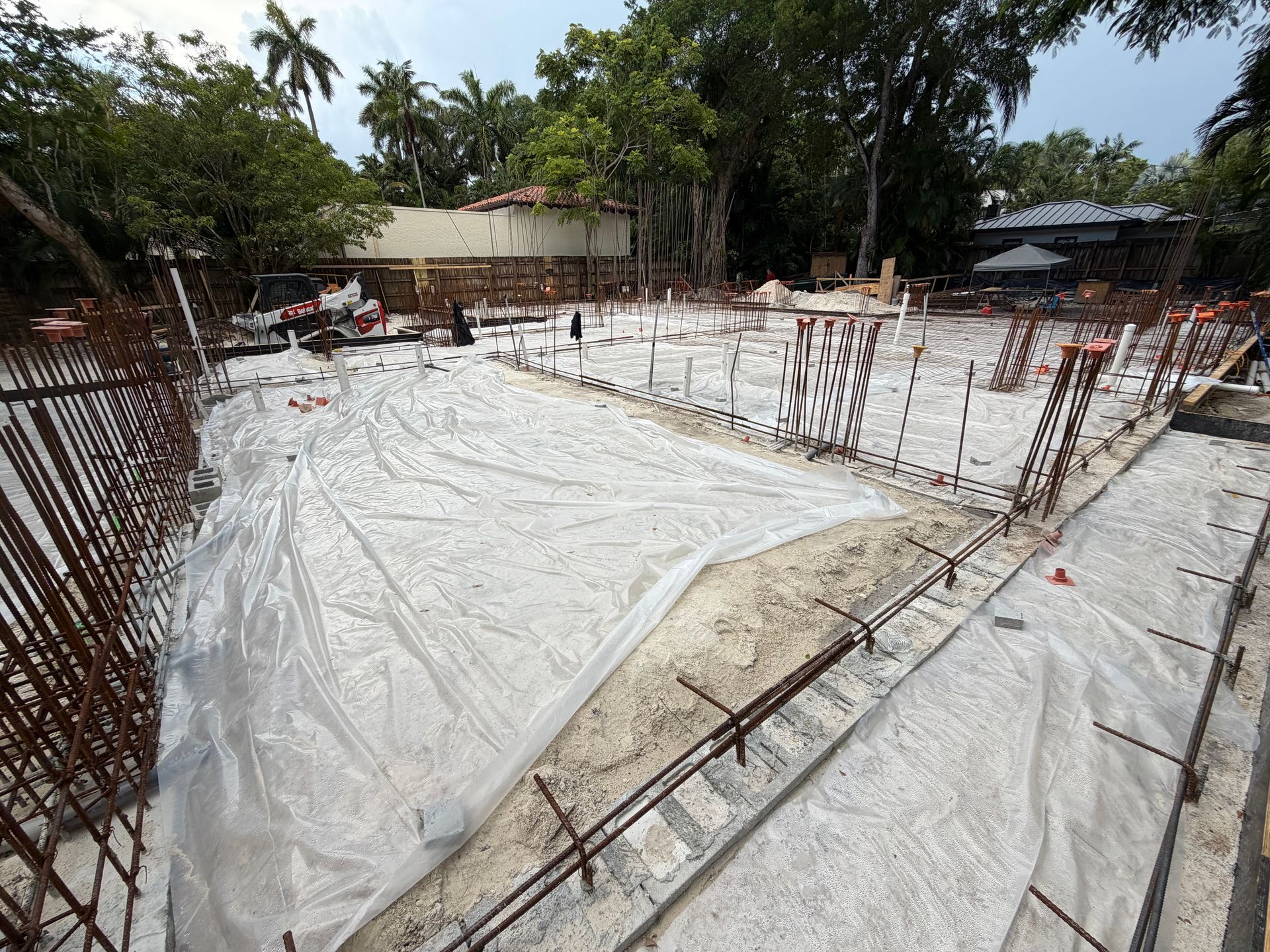
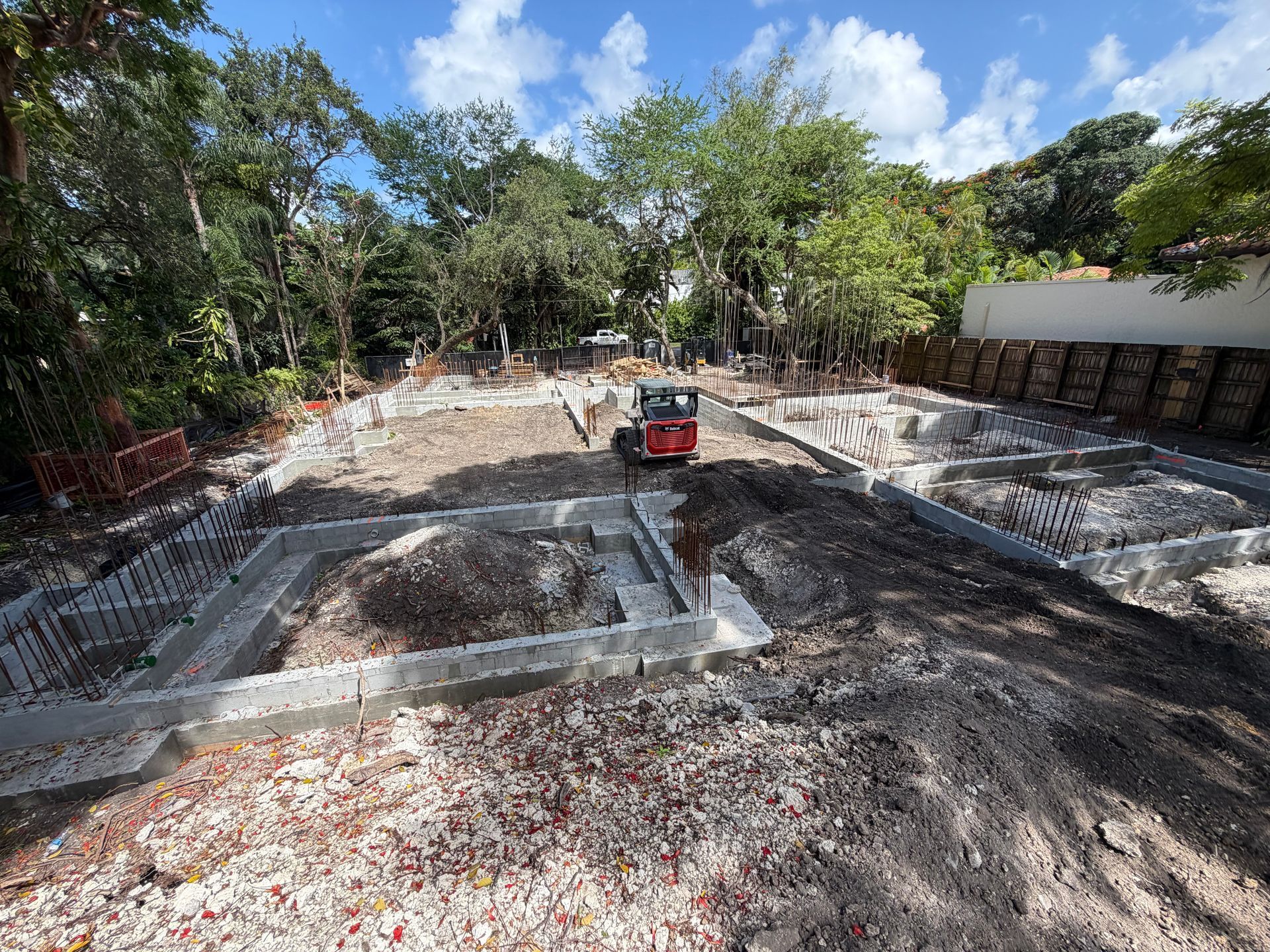
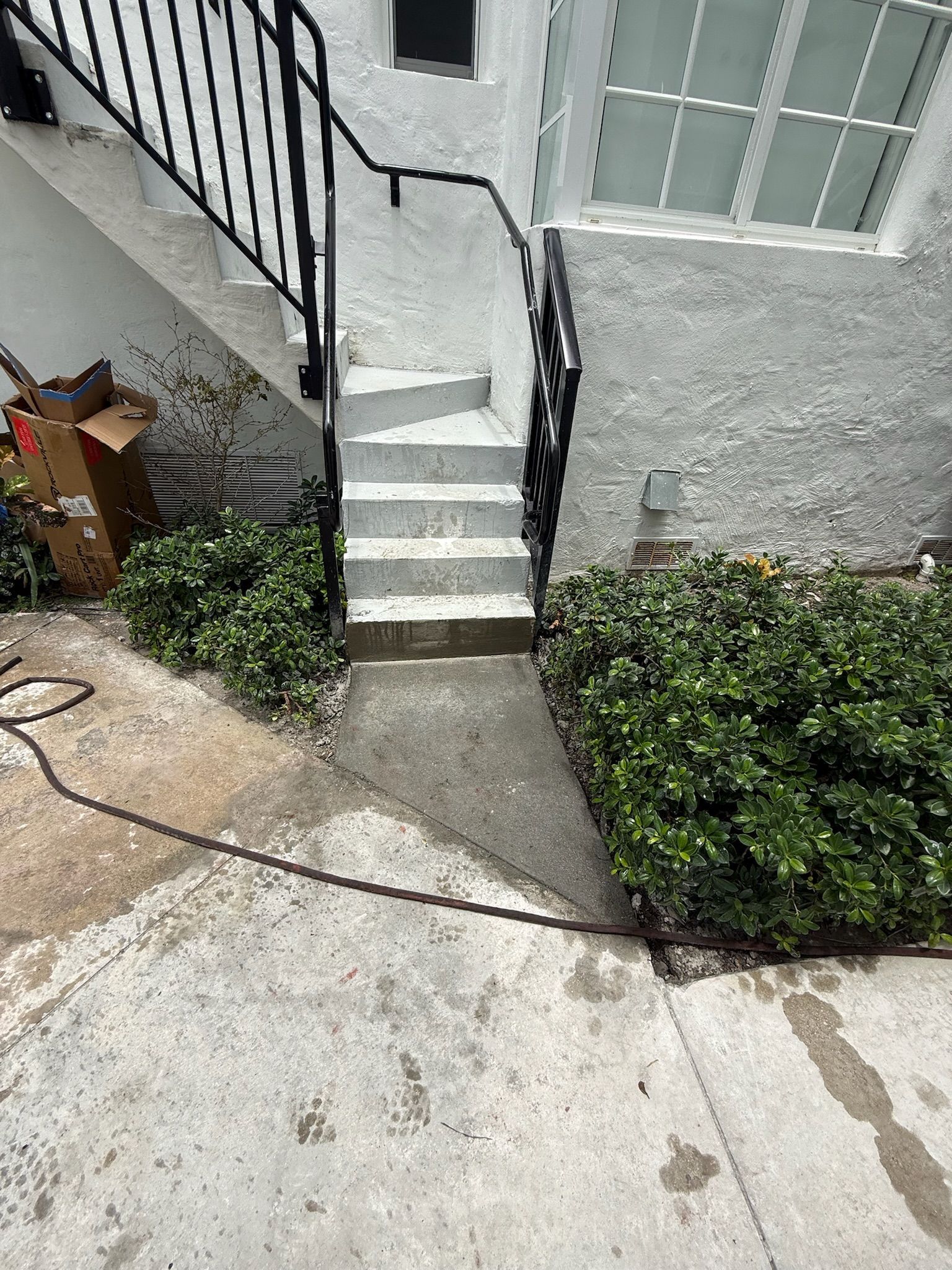
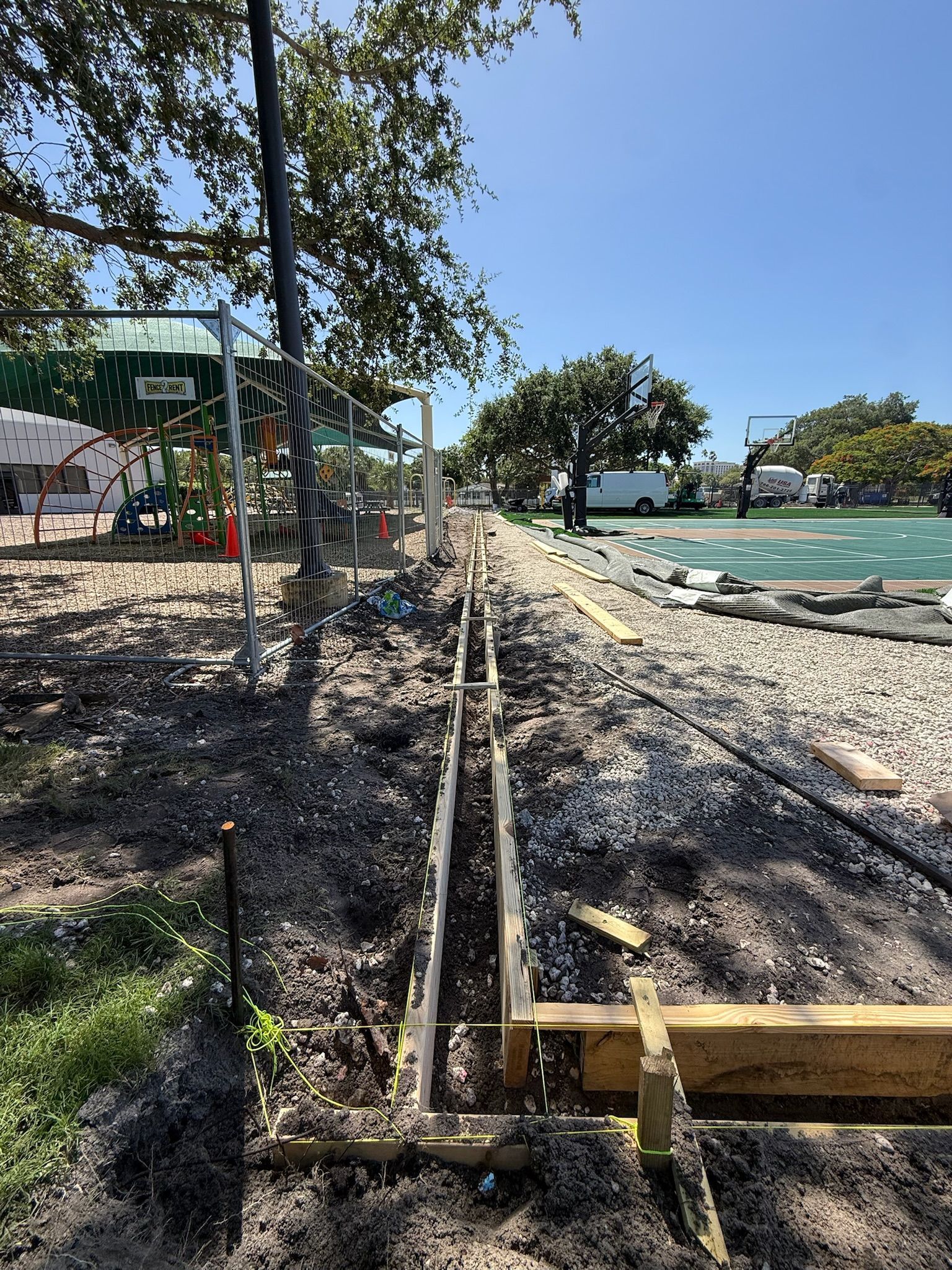
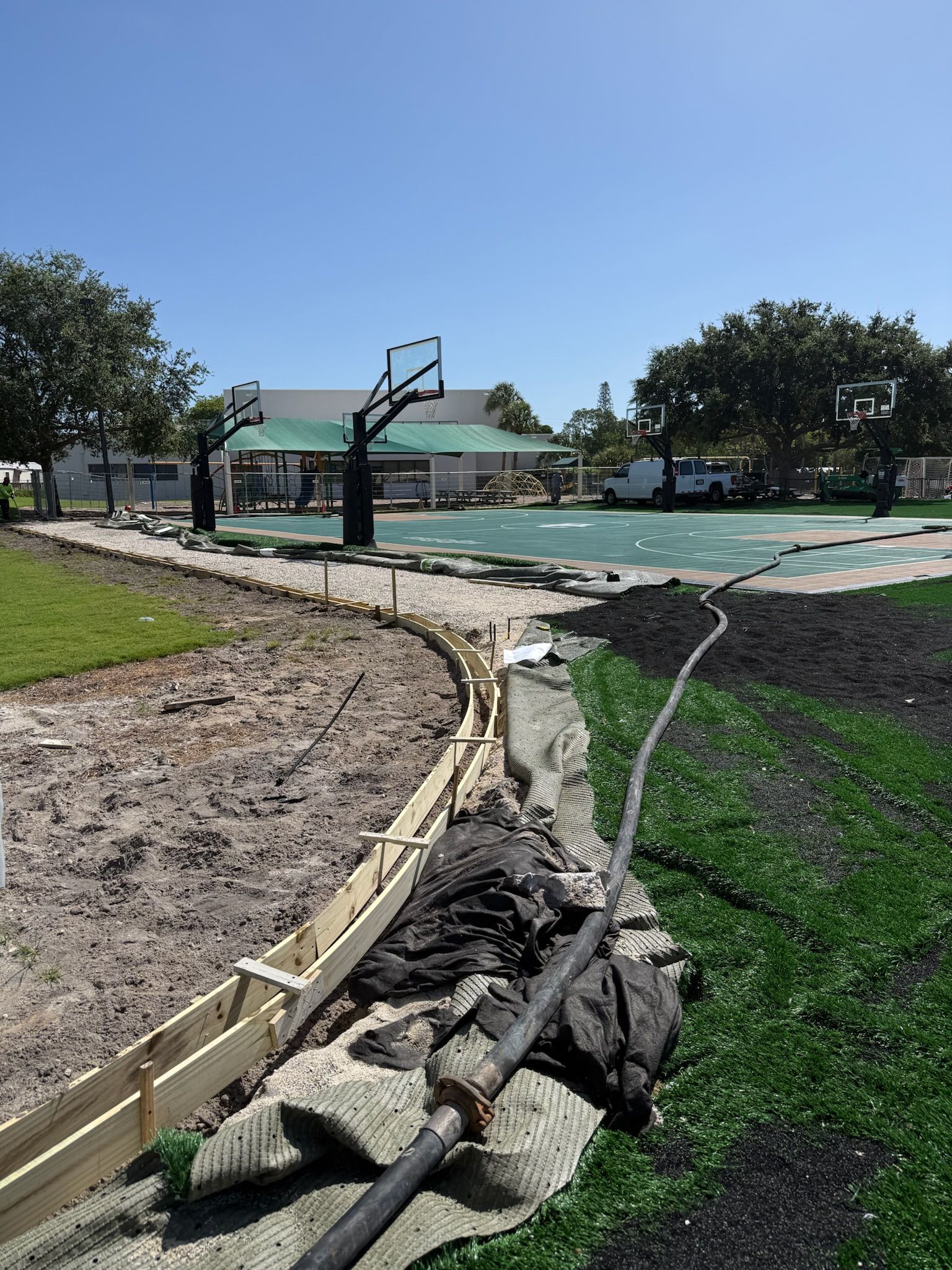
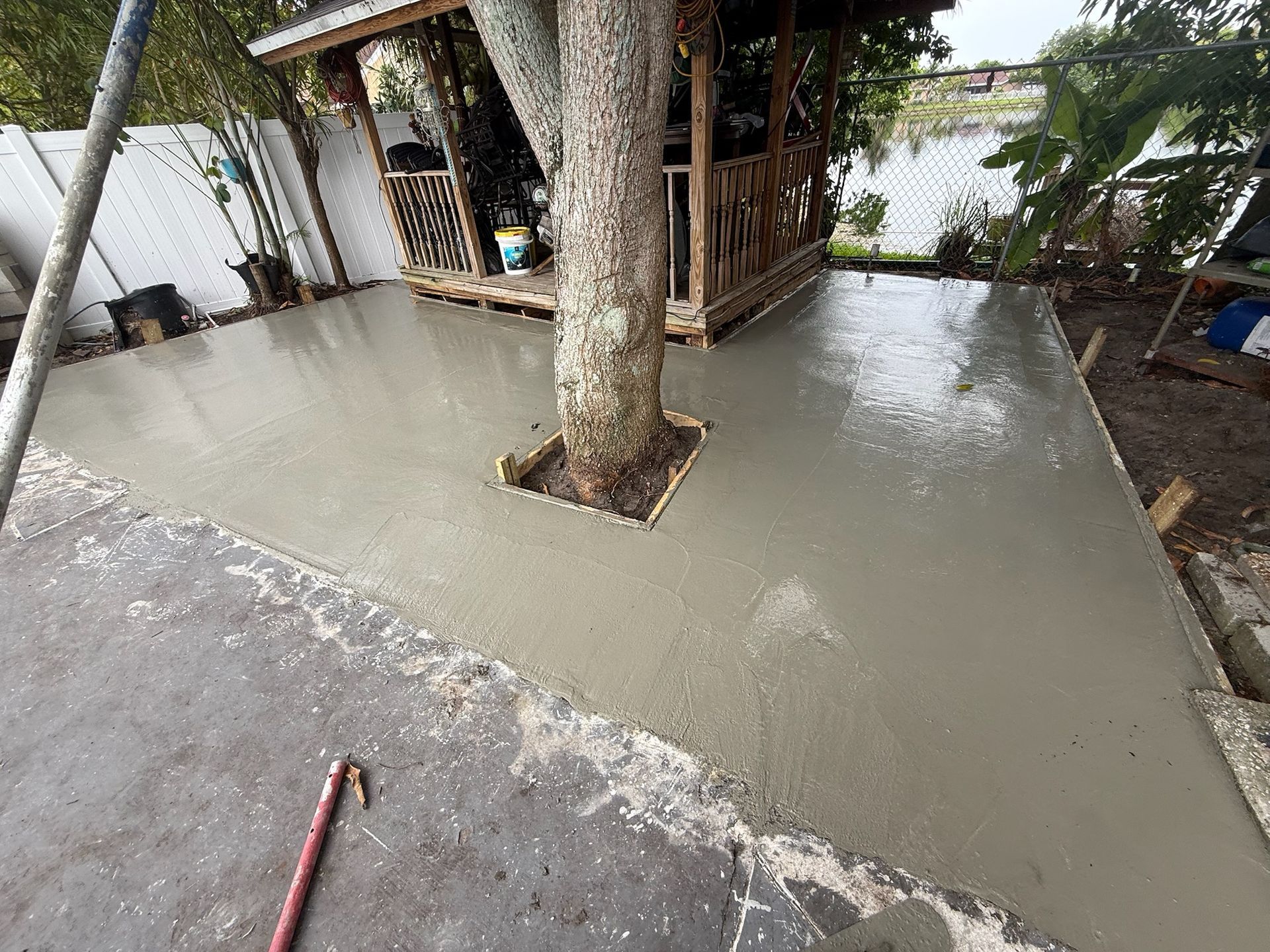
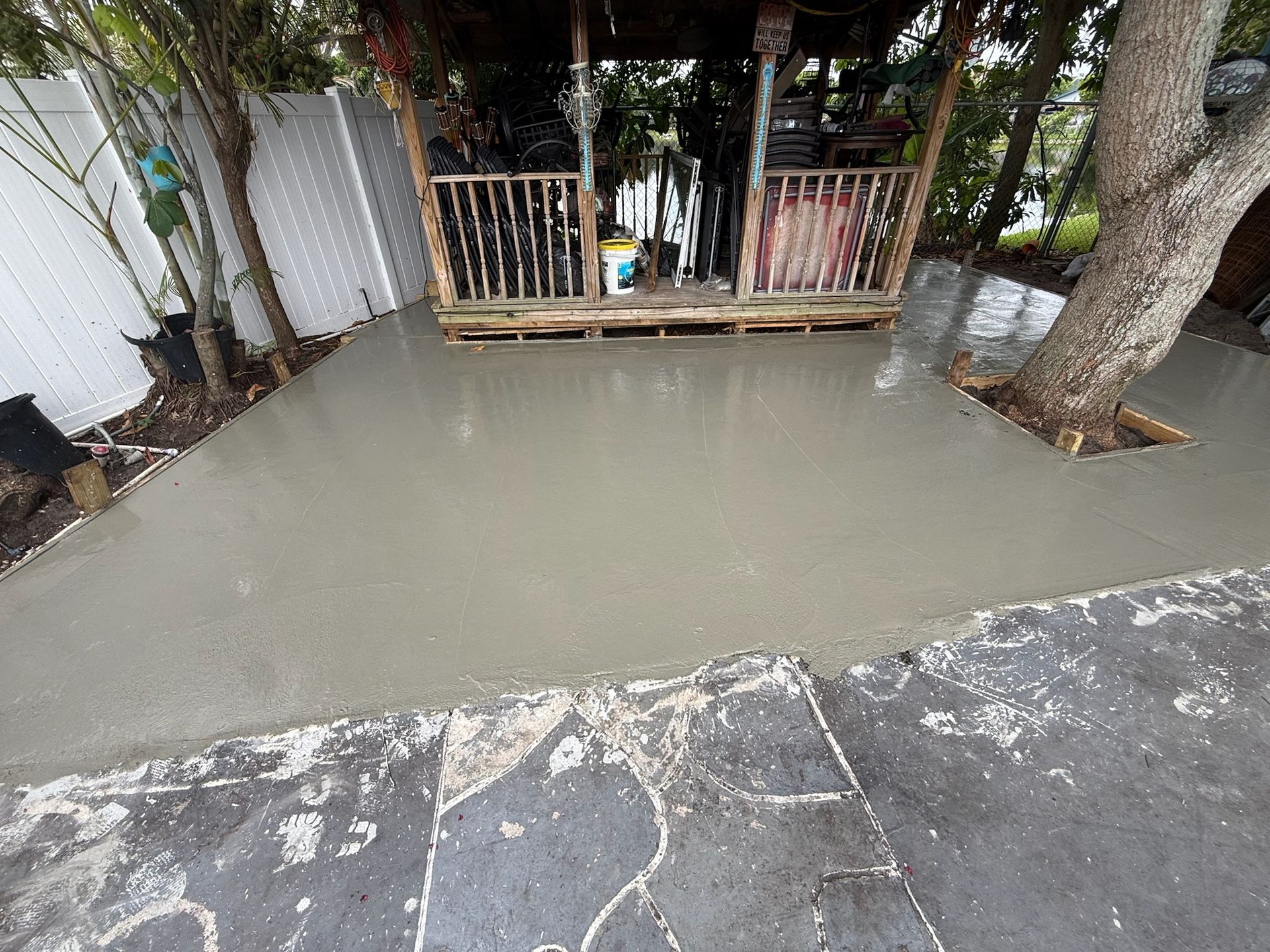
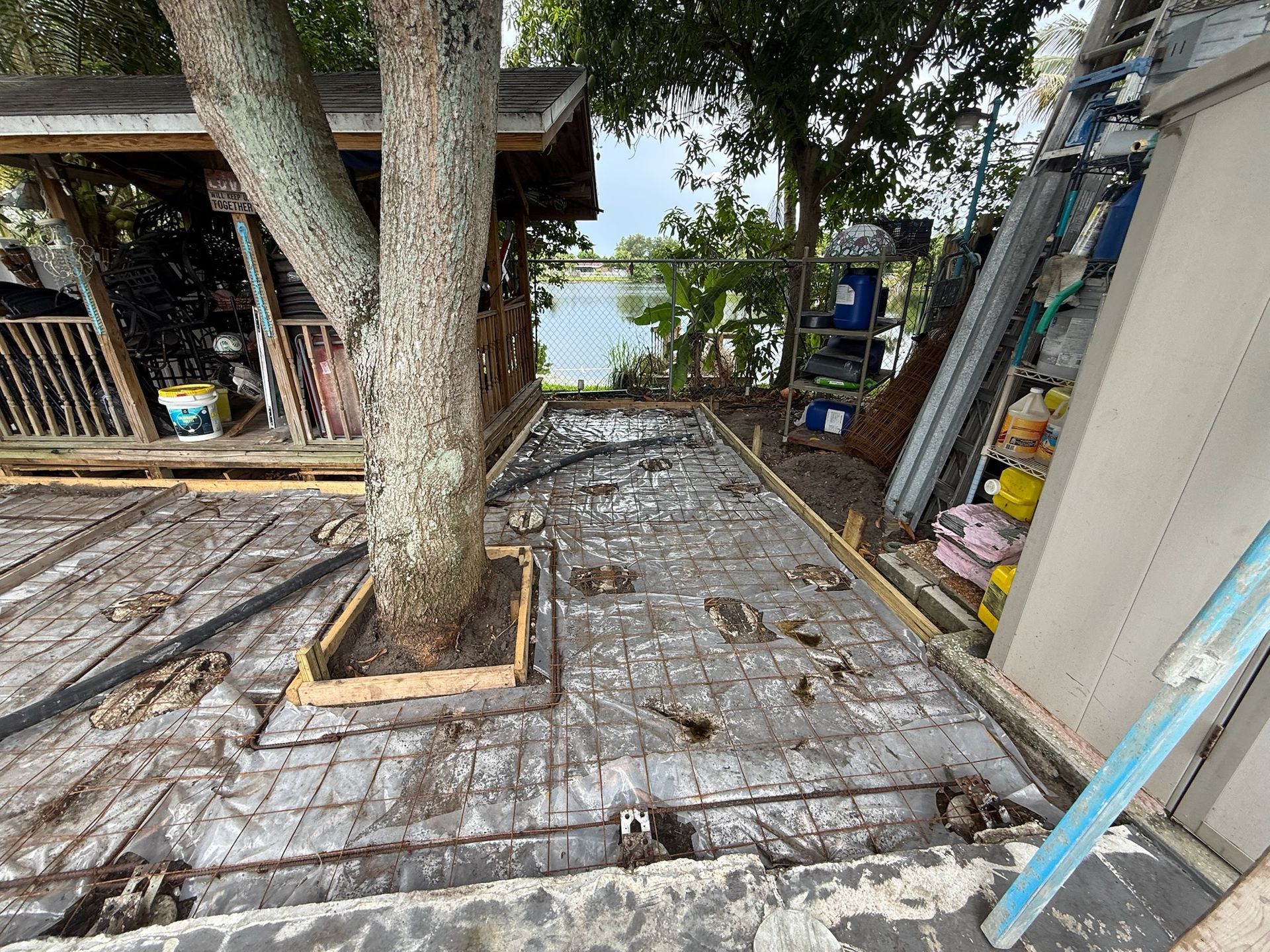
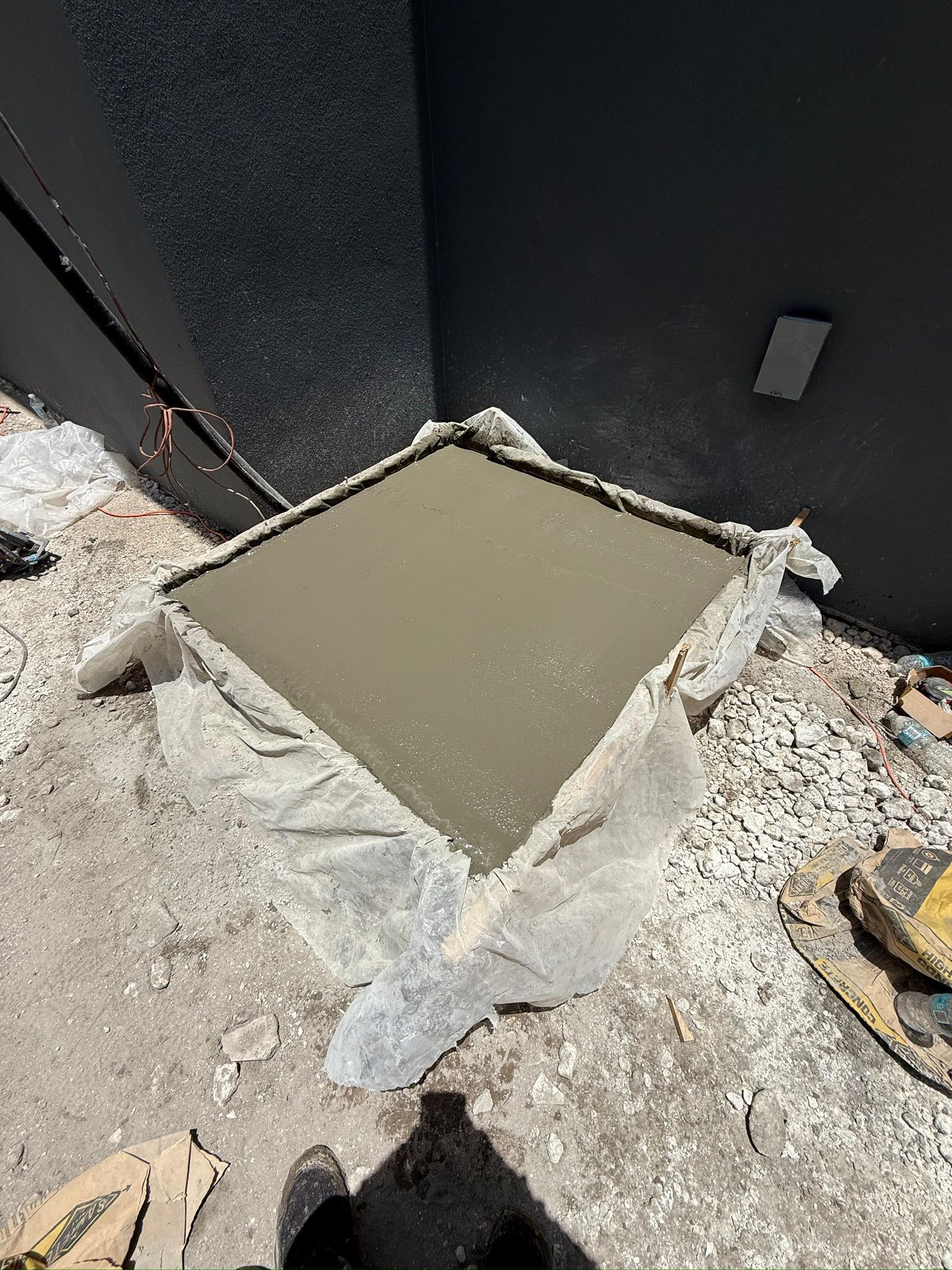
Browse completed excavation and grading work across Miami, Florida and the surrounding South Florida communities. Every site shown was dug, shaped, and graded by the Stones Throw Concrete team.


Areas We Serve
Stones Throw Concrete provides excavation and grading across Miami-Dade, Broward, and Palm Beach County. Click below to explore our complete service area coverage.
FREQUENTLY ASKED QUESTIONS
Site work raises practical questions about cost, timing, soil, and what happens underground. Below are answers to what builders and property owners ask us most often across Miami, Florida.
What does excavation and grading actually include?
Excavation is the removal and relocation of soil, whether that means digging out a foundation area, cutting a trench for utilities, or lowering a section of ground to a required elevation. Grading is the shaping of the surface afterward so it sits at the right height and sheds water in the right direction. Most site jobs involve both. A typical project includes clearing the work area, cutting to the required depth, moving or hauling away excess soil, bringing in fill where the grade needs to rise, compacting the material, and finishing the surface so the next stage can begin.
Why does grading matter so much in South Florida?
Because there is almost no natural slope to rely on. In regions with hills, water finds its own way off a property. Here the land is close to flat, the water table sits high so the ground absorbs less, and the wet season delivers rain in volume rather than in gentle amounts. That combination means every inch of fall on a site has to be placed on purpose. Grading that would pass without comment in a hillier state will leave water sitting against a foundation here. It is the single most underestimated part of site work in this market.
Do you handle utility trenching?
Yes. We cut trenches for water, sewer, electrical, and irrigation runs, dug to the line and depth the installation requires, then backfilled and compacted once the utility contractor has completed their work. Trenching is precision work rather than bulk digging, because depth and alignment usually have to meet a specification and there is often very little tolerance. We coordinate directly with plumbers, electricians, and irrigation contractors on scheduling so trenches are not left open longer than necessary.
What equipment do you use?
We own our excavators, loaders, and trucks rather than renting them job to job. This matters more to your project than it might sound. Contractors who rent are working around rental availability and rental cost, which affects both when your job can start and how long the machine stays on site. Owning the equipment means we control the schedule, we know the machines, and mobilization is our cost rather than a line item passed to you. It is also why we can handle the excavation and the concrete on the same project without bringing in a second company.
How long does site excavation and grading take?
A residential foundation dig or a small yard regrade is often one to two days. A full lot grade, a large cut and fill, or a commercial parcel can run a week or more depending on volume and how far material has to be hauled. Weather is the variable that moves timelines most in this region. Heavy rain saturates the ground and stops compaction work, because material placed and compacted wet will not hold. We build realistic weather allowance into schedules during the wet season rather than promising dates we cannot control.
Do you haul away excess soil, or bring in fill?
Both, and most jobs need one or the other. When a site is cut down, the excess material has to leave, and we haul it off in our own trucks as part of the same scope rather than billing it separately through a third party. When a grade needs to come up, or when soil is unsuitable for what is going on top of it, we bring in appropriate fill and compact it in layers. Which direction a site goes depends on its existing elevation, the drainage plan, and what is being built. We work that out during the assessment and price it into the estimate.
Can you fix a yard that floods or holds water after rain?
In many cases yes, and it is one of the more common residential calls we get. Standing water usually means the surface has no fall toward an outlet, or that the grade has been altered over time by landscaping, additions, or settling. Regrading to establish a proper slope, cutting a swale to carry water to a discharge point, or correcting grade around a foundation will solve a large share of these problems. Some cases are beyond grading alone and need drainage structures installed. We look at the property and tell you honestly which category yours is in.
Do you work with general contractors on a build schedule?
Yes. Roughly half our work is commercial, and much of it involves coming in as one trade within a wider construction sequence. That means arriving when the schedule calls for us, finishing to the elevation and tolerance the next trade needs, and communicating clearly if a site condition will affect the timeline. Site work sits at the front of most build schedules, so a delay here pushes everything behind it. We treat that as our responsibility rather than the builder's problem to manage around.
Do you do the concrete work after the grading?
Yes, and this is the main reason clients bring us in rather than hiring an excavation company and a concrete company separately. We excavate, grade, compact, and then pour, all with the same crews under one contract. When those two stages are split between companies, any problem with the finished surface turns into a dispute about whether the base or the pour was at fault. With one company doing both, that question does not arise. We are equally happy to handle the site work only if you have a concrete contractor already.
Can you work on sites with limited access?
Usually, though the approach and the cost change. Backyards, courtyards, gated properties, and lots hemmed in by structures or landscaping often cannot take a full size excavator. Compact equipment reaches most of these spaces, and where nothing can get through, some work can be done by hand, although that takes considerably longer and prices accordingly. Access is one of the first things we check during the site visit, because it affects the method, the timeline, and the number more than almost anything else about the job.